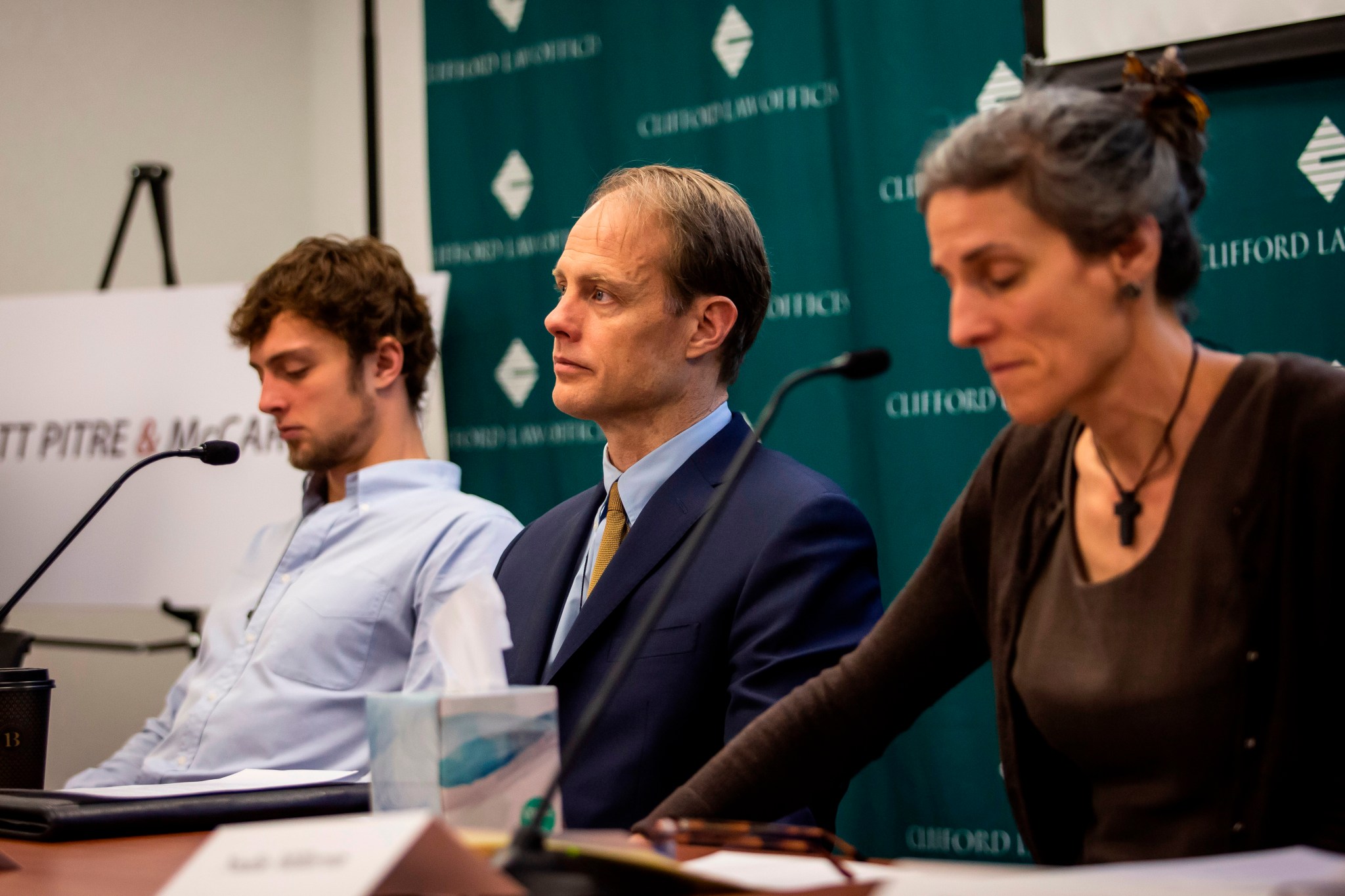
Jury awards $49.5 million to family of 24-year-old who died in Boeing 737 Max crash in 2019
A federal jury has awarded $49.5 million to the family of a 24-year-old global nonprofit worker killed in the 2019 crash of a Boeing 737 Max jet in Ethiopia while traveling to her first major assignment. The verdict, reached Wednesday after a trial in federal court in Chicago, resolves one of the last remaining wrongful death lawsuits filed in connection with the disaster that killed all 157 people aboard Ethiopian Airlines Flight 302. Samya Stumo, who grew up in Sheffield, Massachusetts, had recently joined a nonprofit focused on strengthening health systems in developing countries. A 2015 graduate of the University of Massachusetts Amherst, she was traveling to Uganda for what would have been her first major project with the organization when the plane crashed minutes after takeoff from Addis Ababa on March 10, 2019. A spokesperson for UMass after the crash described her as someone known “for engaging others by earning their respect, friendship and trust.” Jurors awarded $21 million for the pain and suffering and emotional distress that Stumo experienced aboard the doomed flight, $16.5 million for the loss of companionship suffered by her family and $12 million for their grief, according to attorneys representing her estate. “We are gratified for the opportunity to try the compensatory damages case,” attorneys Shanin Specter and Elizabeth Crawford said in a statement Wednesday evening announcing the verdict. It is the second verdict tied to the crash. Boeing has reached confidential pre-trial settlements in most of the dozens of wrongful death lawsuits filed in connection with the Ethiopian Airlines disaster and a similar 737 Max crash five months earlier off the coast of Indonesia that together killed 346 people. The fatal crashes became a defining crisis for Boeing and the 737 Max program. Investigators found that a flight-control system repeatedly forced the nose of the then-new planes downward based on faulty readings from a single sensor, and pilots in