NASA’s Webb Studies How Planet Survived Death of its Star
Why this matters: new research or scientific developments with potential real-world impact.
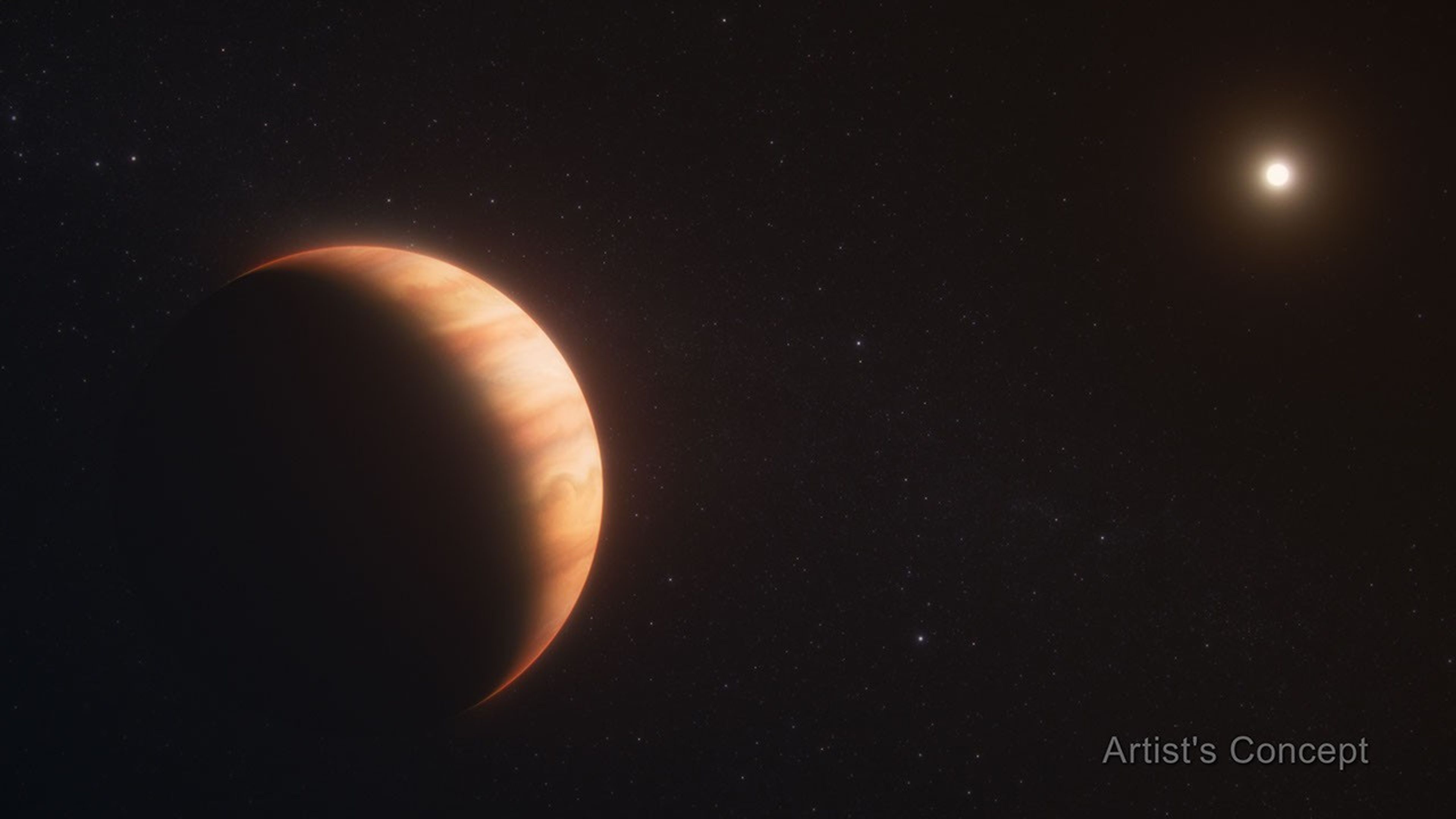
Explore Webb Science James Webb Space Telescope (JWST) NASA’s Webb Studies How… Webb News Latest News Latest Images Webb’s Blog Awards X (offsite – login reqd) Instagram (offsite – login reqd) Facebook (offsite- login reqd) Youtube (offsite) Overview About Who is James Webb? Fact Sheet Impacts+Benefits FAQ Webb Timeline Science Overview and Goals Early Universe Galaxies Over Time Star Lifecycle Other Worlds Science/Engineering Explainers Observatory Overview Launch Deployment Orbit Mirrors Sunshield Instruments & ISIM Module Instrument: NIRCam Instrument: MIRI Instrument: NIRSpec Instrument: FGS/NIRISS Optical Telescope Element Backplane Spacecraft Bus Webb vs Hubble -> Multimedia About Webb Images Images Videos What is Webb Observing? 3d Webb in 3d Solar System Podcasts Webb Image Sonifications Webb’s First Images Team International Team People Of Webb More For the Media For Scientists For Educators For Fun/Learning 6 Min Read NASA’s Webb Studies How Planet Survived Death of its Star Exoplanet WD 1856 b, shown in this artist’s concept, is a gas giant that orbits its star at a distance 50 times closer than Earth orbits the Sun. Observations by NASA’s James Webb Space Telescope determined the planet’s temperature and detected molecules in its atmosphere. Credits: Artwork: NASA, ESA, CSA, Ralf Crawford (STScI) NASA’s James Webb Space Telescope is giving us new insight into the far-future of solar systems like our own, as the agency continues to reveal the secrets of the universe and our place in it. Billions of years ago, a Sun-like star nearing the end of its life swelled tremendously in size to become a red giant before ejecting its outer layers, leaving a hot, remnant core known as a white dwarf. As a red giant, the star should have engulfed and destroyed any nearby planets. Yet astronomers have found a Jupiter-sized exoplanet orbiting the white dwarf every 34 hours at a separation of less than 2 million miles (3 million kilometers). To solve the mystery of ho