Opening offices in 120 countries is ‘not a badge of honor’—pick 30 instead says iconic former tech CEO
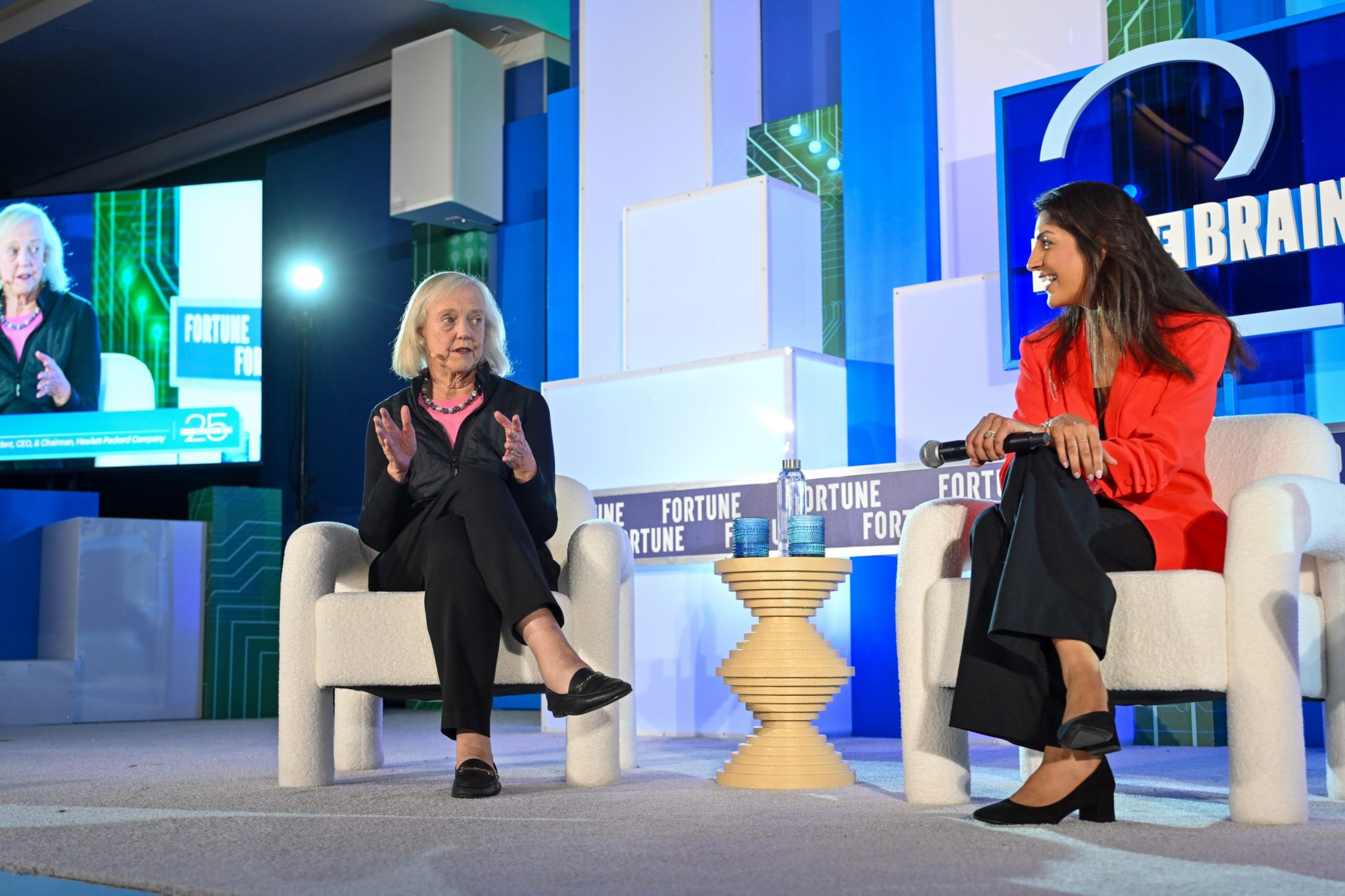
When startups hit hyper-growth phase, they look to go global. That’s a good strategy—until it’s not. According to Meg Whitman, who enjoyed a run as one of the dominant CEOs in Silicon Valley, her experience leading HP and e Bay taught her that, when it comes to global expansion, there can be too much of a good thing. “It is not a badge of honor to be in 120 countries,” said Whitman, recalling the peak of HP’s expansion. “We were in 190 countries [but] catch this: 40 countries made up 85% of the revenue and 125% of the profits.” Whitman, speaking at Fortune Brainstorm Tech in Aspen, added the better strategy was the one she pursued at eBay, which expanded to only around 30 countries. “That was a really smart thing to do, but anyone who’s like excited about your 60th country is sadly misinformed,” she quipped. Whitman’s remarks came as part of a discussion, alongside veteran streaming CEO Anjali Sud, who led Vimeo for six years, about how strategies for pursuing scale over the last 20 decades have evolved.Today, Sud hold the top job at Fox-owned Tubi, the ad-supported free streaming service, which has grown to 100 million viewers. Sud credits this outsized growth to favorable industry tailwinds, but noted that the strategy for scaling has changed. In particular, she noted, the biggest challenge in entering new markets used to be figuring out how to achieve synergies across tech platforms—but now Sud says the harder things to solve are related to local regulatory, cultural and data privacy issues. “[Finding] the platform synergies you get from a shared tech platform—that used to be the big hurdle. It’s not really anymore for a variety of reasons, and when you look at the actual things you have to invest in to really win in those markets, it gets harder and harder to see sort of the synergy across being turned on by a switch,” she said. Sud also observed that, in situations where company