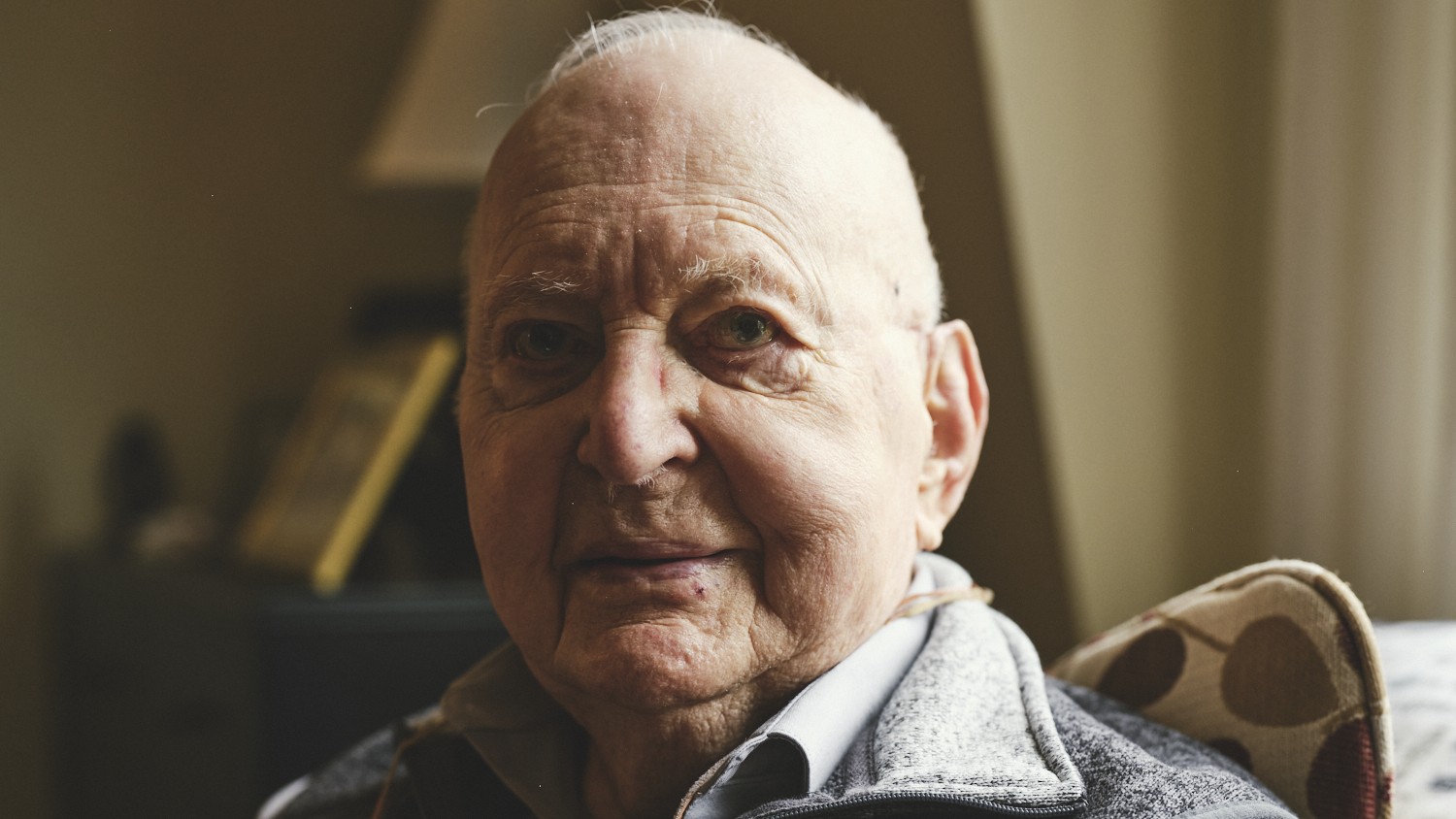
A 100-Year-Old D-Day Survivor Reflects
Joe Picard perched atop a precarious mound of 300-plus-pound high-explosive shells as his ship churned toward Normandy’s beaches. The teenager had been at sea only once before, to cross the Atlantic, and now he was sailing across the English Channel to pile into the breach that Allied forces had opened in Hitler’s defenses weeks earlier, on D-Day. Smoke from the fighting still rose on the horizon, but Picard’s eyes scanned the gray water below for signs of German U-boats. “You know,” he told the soldier next to him, “if we ever get hit with a torpedo here, they won’t ever find a trace of us.”More than 80 years later, few men like Picard remain: those who participated in the boldest military operation of the 20th century and can lay claim to membership in the “greatest generation.” Less than 0.5 percent of the more than 16 million Americans who served in World War II are still alive. Before long, the great invasion of France that began on June 6, 1944—and the Second World War itself—will be recounted only in documentaries and books alongside other historic conflicts such as the First World War and the American Civil War. The immediacy of personal experience will vanish. But Picard, now 100 years old, can still recall the feel of the straw he stuffed into his mattress, the blast of a mine soon after he landed on Utah Beach, negotiations in French for the use of a château, and a friend’s death in a cold forest in Germany.“A lot of people have said to me, God, how do you remember all that stuff?” Picard told me when we spoke at his retirement community in Rhode Island, near where he grew up. “I don’t remember what happened yesterday, but I remember what happened 80 years ago.” The memories have “always been vivid ever since the day they happened.”Picard is still doing his part to maintain D-Day as living history. He has become, in his later years, the narrator of his own war experience. He speaks with classes of schoolchildren, constantly amazed that they care enough to