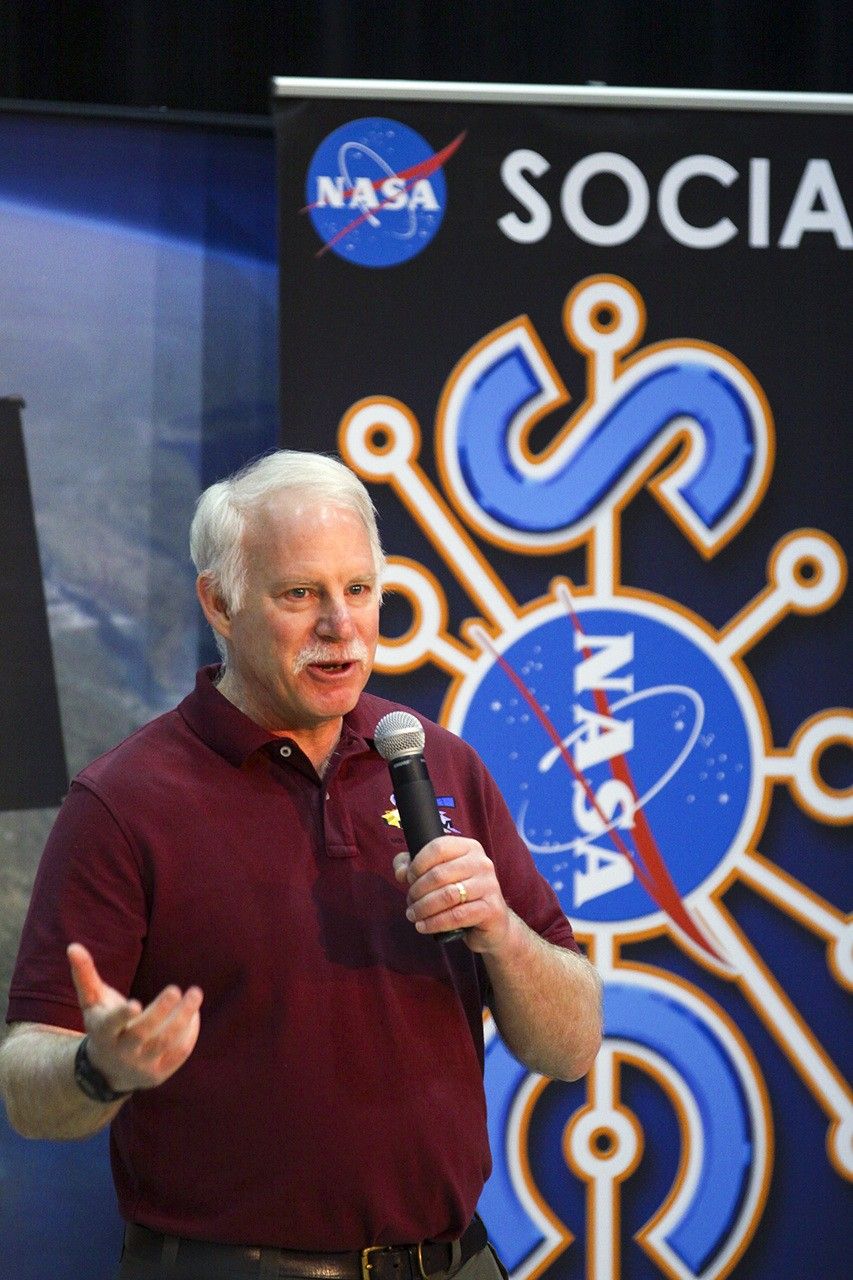
Jim Irons, Former Landsat Project Scientist, Wins Pecora Award
Why this matters: new research or scientific developments with potential real-world impact.
Landsat Navigation Landsat Home Missions Landsat 10 Landsat 9 Landsat 8 Landsat 7 Landsat 6 Landsat 5 Landsat 4 Landsat 3 Landsat 2 Landsat 1 News Latest News People of Landsat Q&As Newsletter Publications Data Overview Cal/Val Open Data Benefits Overview Agriculture & Food Security Disaster Management Ecosystems & Biodiversity Energy Resources Forest Management Human Health Urban Development Water Resources Wildfires Case Studies Outreach Multimedia About Search Now an emeritus scientist at NASA Goddard Space Flight Center, Dr. Jim Irons is the former Landsat 8 Project and GSFC Earth Science Division Director. Last month, Landsat’s very own Jim Irons won the prestigious William T. Pecora Award. Irons, now an emeritus scientist at NASA Goddard Space Flight Center, played an integral role in shaping the Landsat program into what it is today. He served as deputy project scientist for Landsat 7 before taking over as project scientist for Landsat 8. From the earliest days of Landsat 8—then called the Landsat Data Continuity Mission (LDCM)—all the way through launch and operation, Irons worked across the agency and with colleagues at the USGS to ensure that Landsat continued providing critical data to researchers around the world. He championed rigorous calibration standards and fought to keep the thermal band on Landsat 8. Now, with projects like OpenET relying on evapotranspiration data derived from Landsat thermal imagery, the strength of his vision has only become more apparent. Irons also served as the director of NASA Goddard’s Earth Science Division during the turbulent early days of the COVID-19 pandemic. Contending with global disruption, he prioritized making sure that everyone had the support that they needed to continue doing great work. As a leader and a scientist, Irons left a legacy of collaboration and innovation that lives on today. We checked in with Irons about his role in Landsat’s history, what it takes to be a good leader, and winning