The Humanities Score a Victory Against Trump
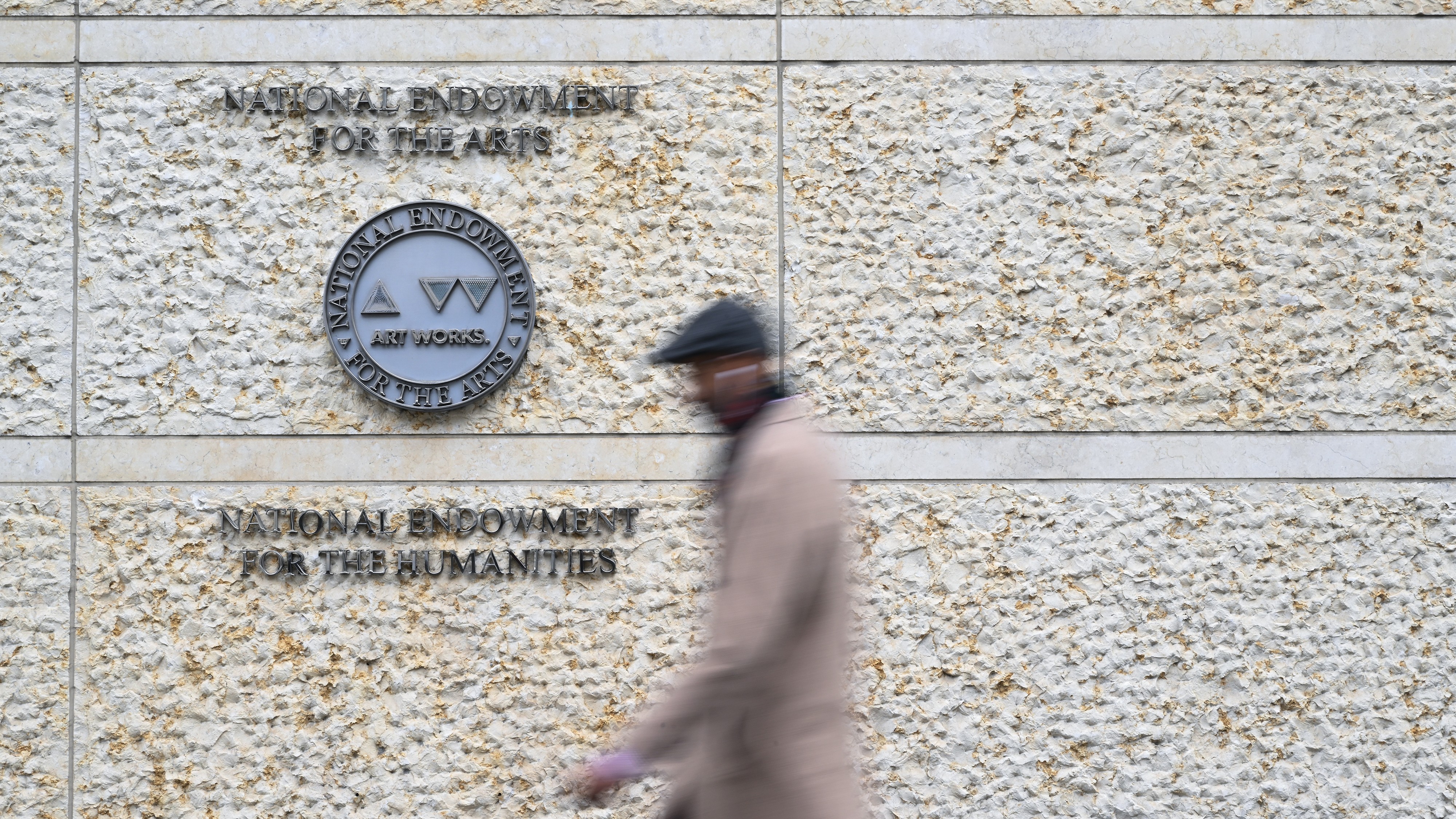
Winning a grant from the National Endowment for the Humanities can take months of preparation and can require multiple attempts. So last year, when DOGE officials with no humanities experience yanked the funds of hundreds of grantees using little more than a chatbot and a haphazard search for terms such as BIPOC and gay, it stung.“The NEH, NEA, Guggenheim, and maybe one or two other grants are considered just the gold standard for your prestige in the academy,” Elizabeth Kadetsky, an English professor at Penn State, told us. Her grant to research stolen Indian antiquities for a nonfiction-writing project was canceled last year. “Can you imagine if you win the Pulitzer Prize or the Nobel and they’re like, Oh, I’m sorry, never mind, you don’t have it?”A federal court on Thursday ruled that the grant cancellations were unconstitutional, potentially reversing, for now, one of the many moves made by the Trump administration to influence how experts uncover—and then tell—the country’s story. Despite Trump officials’ efforts to impose their values and version of American history on knowledge-making institutions, doing so may not be as simple as they thought, particularly given their slapdash methods that have now been called out by a federal judge.[Read: The real fight for the Smithsonian]U.S. District Court Judge Colleen McMahon ruled in favor of plaintiffs, which include Kadetsky, finding that DOGE personnel didn’t have authority to terminate NEH grants and that the cuts violated the First and Fifth Amendments. The NEH, responsible for funding research, education programming, and restoration work, “was not created as a vehicle for government expression,” McMahon wrote in her ruling, but rather to “support the intellectual and cultural work of private citizens, scholars, teachers, writers, and institutions.”The court’s decision could reinstate funding for more than 1,400 grants totaling over $100 million, though the administration could still appeal to pause enforcement.