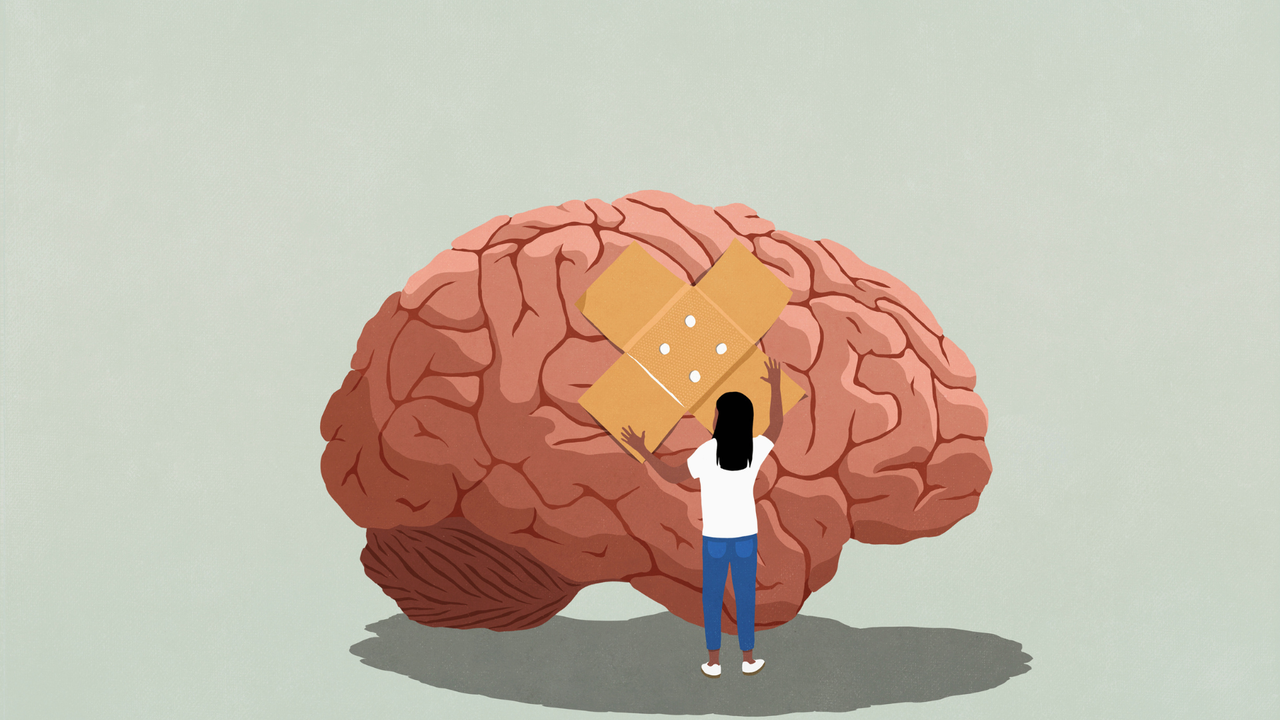
Mental health is not a personal problem
On April 15, we should have marked Polina’s 23rd birthday. But her 18th birthday was the last one we celebrated together. In September 2021, after years of struggling with her mental health, my niece died tragically. No family emerges unchanged from a loss like that. Nearly five years later, ours is still grieving. But grief can also become action. Shortly after Po’s death, we founded The Polina Fund, through which our family and community work to support young women facing mental health and substance abuse challenges, and to help destigmatize these struggles before more lives are lost. Polina’s too-short life taught me things I have tried to carry into every decision I make as a leader. That includes how we structure work, how we treat people, and what we owe one another in a world growing harder to navigate by the day. THE PANDEMIC EFFECT Young people entering today’s workforce are carrying burdens that previous generations did not face in the same way: prolonged social isolation from the pandemic, economic instability, political polarization, climate anxiety, and constant digital overstimulation. The toll on our collective mental health is not metaphorical. It is measurable. When researchers surveyed 1,000 full-time U.S. employees in early 2025, they found that 75% reported experiencing persistent low mood driven largely by politics and current events. Nearly half said life was easier during the COVID-19 pandemic than it is today. The pandemic did something particular and lasting to an entire generation. It shifted learning online, intensified isolation, shuttered community programs, disrupted employment and education, and destabilized the economy. The damage was not temporary. Youth anxiety and depression doubled globally during the pandemic, and among Gen Z workers in that survey, 54% said their mental health has never fully recovered. These are not abstract statistics. These are the people sitting in our conference rooms, on our Zoom calls, managing our projec