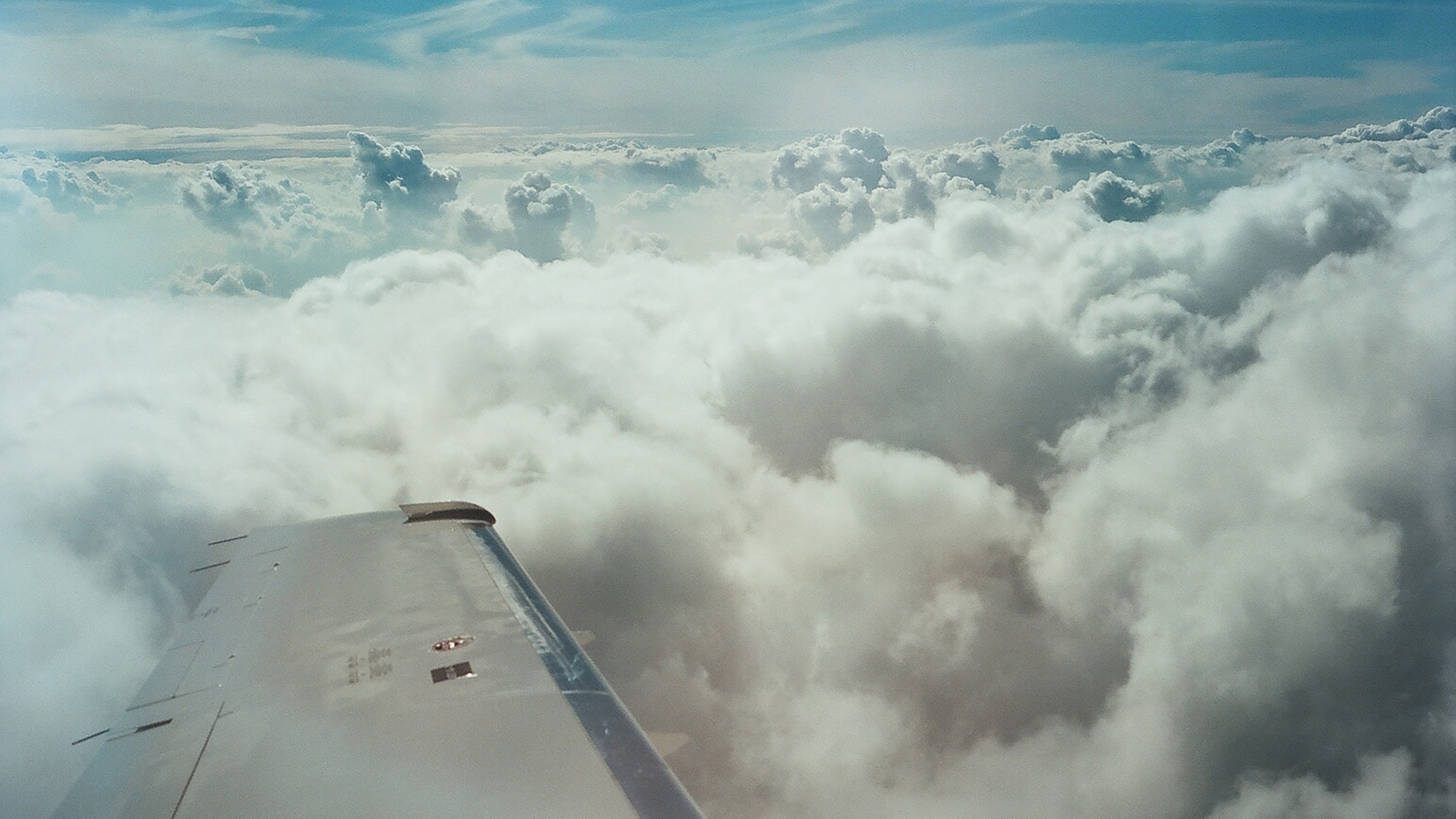
Leave Your Airplane-Window Shades Open
This is an edition of The Atlantic Daily, a newsletter that guides you through the biggest stories of the day, helps you discover new ideas, and recommends the best in culture. Sign up for it here.Photos of air travel in decades past can cause almost visceral pain for a modern flier. Faded or sepia images show sharply dressed people eating real food in spacious seats. Sometimes the pictures are juxtaposed with the sardine-tin discomforts and unappetizing food of contemporary air travel, and they’re usually accompanied by well-deserved swipes at air carriers. But passengers deserve some blame too. One thing I notice in those photos is that the window shades are always up.Nothing can make a lengthy flight packed in an aluminum tube feel good, exactly, but having the shades closed is a reliable way to make it worse. On a recent long-haul trip, I was struck that as soon as passengers boarded the plane—well before sunset—nearly everyone in a window seat within my line of sight closed their shades.Proving empirically that this is a trend would likely be impossible, but I’ve sensed this happening more in recent years, and Redditors and correspondents to advice columns have noticed too. The culprit is easy to identify. My (hypothesized) trend corresponds neatly with the growing ubiquity of in-flight entertainment systems, which have gone from a novelty on long flights to a standard service. The moment passengers are forced to switch their phones to airplane mode, they become desperate to get their digital fix. As the screens have become standard, airlines have phased out their in-flight magazines, which often included delightful and quirky prose by good writers. At the very least, they had a crossword and a sudoku.When the shades are drawn so quickly, passengers miss out on both the fascinating machinations of infrastructure—the strange vehicles, markers, and signs that make airports work—and the natural beauty of the landscape. If the window shades are up, as my colleague