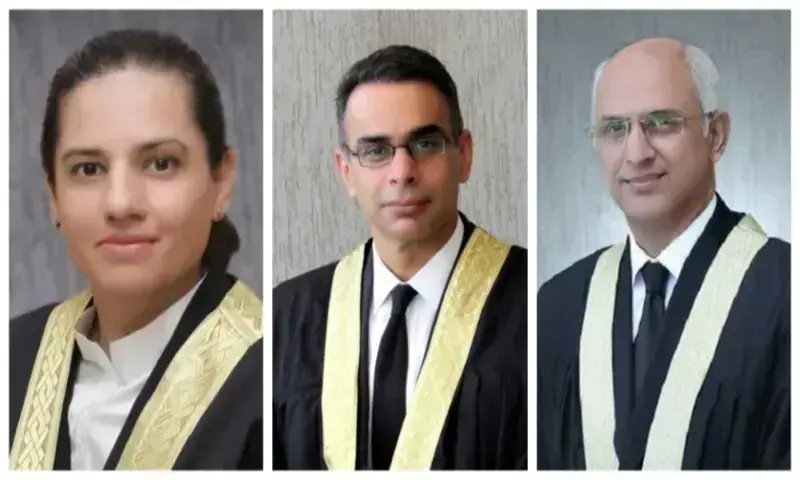
Analysis: Setting a risky precedent
Why this matters: local context for readers following news across Pakistan and the region.
ON paper, the Judicial Commission of Pakistan (JCP) meeting convened for April 28 was about a routine administrative matter: the transfer of a few high court judges under Article 200 of the Constitution. In reality, however, the proceedings evolved into a foundational clash over judicial accountability, the limits of administrative authority, and whether the Constitution permits a quiet correction of conduct without invoking formal removal mechanisms. The extraordinary pre-meeting documentation — including recorded objections by Chief Justice of Pakistan Yahya Afridi and a detailed report from the Islamabad High Court (IHC) — had already brought into the open a conversation that the superior judiciary usually handles behind closed doors: how to respond when a judge is perceived as professionally difficult, administratively overbearing or institutionally reluctant to hear certain cases. The short answer, according to the report, is that Article 200 does not require reasons for a transfer. The more complex question now being weighed is whether a transfer can serve as a proportionate administrative response to conduct that falls short of impeachable misconduct under Article 209. With IHC judges being transferred without formal proceedings or their consent, questions arise over judicial accountability and the limits of administrative authority At the heart of the controversy lies a constitutional grey area. Article 200 empowers the president, on the recommendation of the JCP, to transfer a judge from one high court to another without requiring a formal inquiry. In contrast, Article 209 establishes the Supreme Judicial Council as a quasi-disciplinary forum for investigating incapacity or misconduct through a structured process. The chief justice’s recorded objections — that the proposed transfers appeared “penal” in nature, deviated from a 2025 precedent based on federal representation, and could create administrative vacancies — were an attempt to introduce procedural s