Students receive $10,000 prizes from OpenAI for innovative use of artificial intelligence
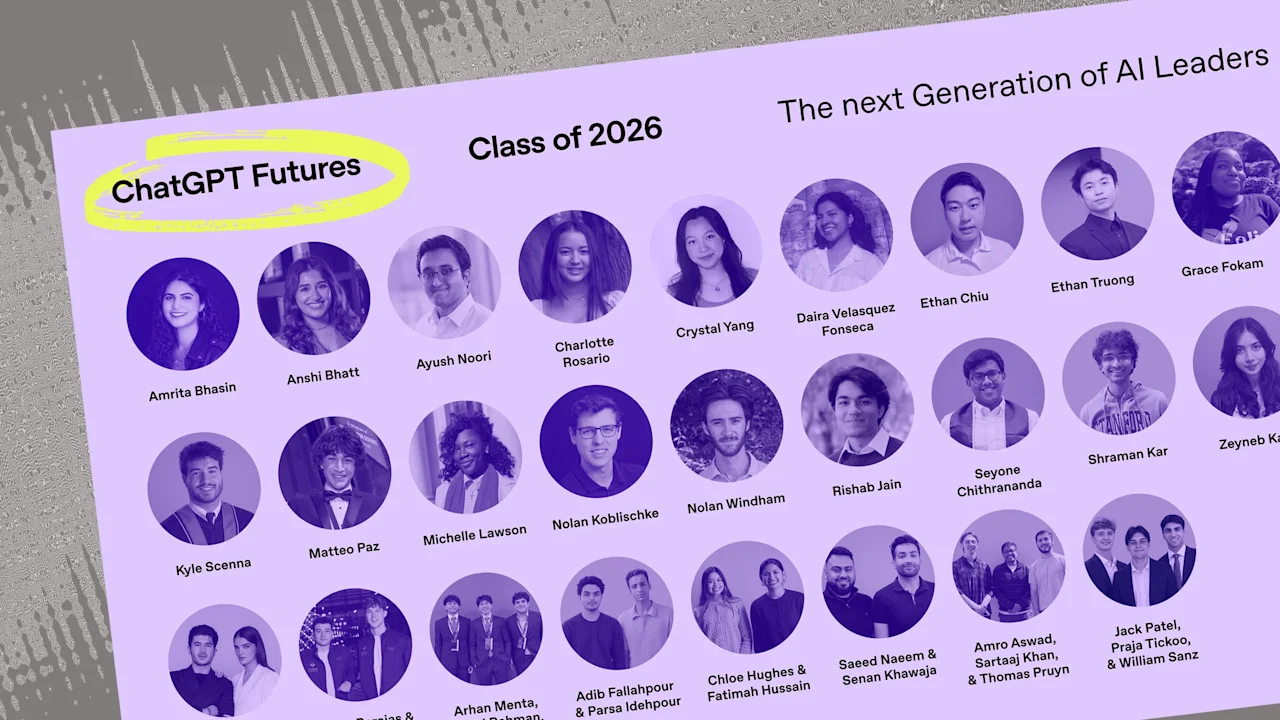
When University of Pennsylvania student Crystal Yang was in high school, she and her friends were avid players of the trendy online game Wordle. One of Yang’s friends, however, is blind and was unable to join in. That inspired Yang, while still a high school student, to work with researchers at Texas A&M University looking at conversational audio interface possibilities for the game. Soon, she founded a nonprofit called Audemy that has developed more than 50 audio-powered games accessible to blind and visually impaired players. The organization is now also at work on an accessible gaming console that will incorporate audio and tactile features and can function without Wi-Fi. AI has been important to much of Yang’s work, from coding to management. Over the years, AI has helped her learn to conduct user research and write a formal paper, plug in new game ideas to an existing template, and even use computer-aided design tools and evaluate potential components as Audemy prototypes the console. “It’s been a very helpful tool throughout, allowing me to champion the issues I’m passionate about, as well as continue using it to multiply my capabilities,” Yang says. Yang is one of 26 students and other young people recently awarded a $10,000 grant by OpenAI as part of a program called ChatGPT Futures, designed to showcase how a rising generation is using the technology for good. As OpenAI notes, the graduating class of 2026 is the first cohort of university students to have ChatGPT, which debuted to the public in fall 2022, available throughout nearly their entire college experience. “What we’ve seen is that these students are using AI to build things that many wouldn’t have previously thought were possible,” says Leah Belsky, head of education at OpenAI. Other honorees of the program are using AI to build space robots to relieve astronauts of routine tasks; develop novel ways to spot disaster survivors through walls and debris using Wi-Fi signals; hel