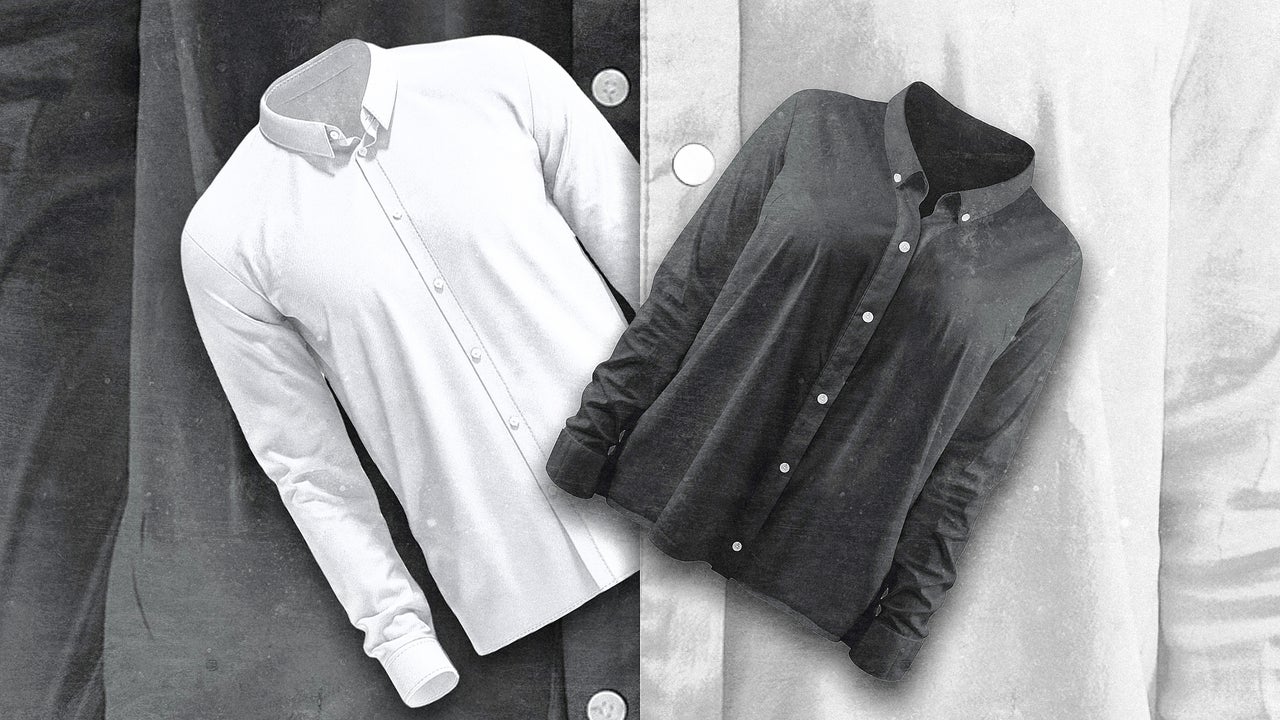
Why men’s and women’s clothes have buttons and zippers on different sides
Curious Kids is a series for children of all ages. If you have a question you’d like an expert to answer, send it to Curious Kids US@theconversation.com. Why are zippers on different sides of male and female jackets? — Agrima, age 13, Delhi, India Imagine you’re at a clothing store that stocks items for the whole family. You pick up a white buttoned shirt to try on. The style is pretty plain. Was it designed to be worn by a woman or man? There may be a clue: Many women’s shirts have buttons on the left side, while men’s shirts usually button on the right. Even zippers in pants and jackets sometimes follow the same pattern. But why does clothing fasten differently depending on whether it’s made for men or women? Fashion researchers and historians like us have wondered about this gender difference. The answer has a lot to do with tradition, history, and the way clothes were made long ago. Even small details, like a zipper, can tell a story about the past. Clothing is full of hidden history When people look at clothes today, they often think about colors, comfort, or style. But clothing is also part of what historians call material culture: all the objects people use every day. Examining the material culture of the past can reveal how people lived, worked, and thought in earlier times. Fasteners like buttons and zippers aren’t just practical. They also follow design traditions that became connected to gender over hundreds of years. Very rich European women dressed in elaborate clothes they needed help putting on and getting fastened into. [Image: DEA/ICAS94/De Agostini/Getty Images] One of the most common explanations for why male and female garments have their buttons on opposite sides comes from European fashion history. A long time ago, wealthy women from the nobility often wore complicated dresses with buttons and fasteners—so complicated that they needed help getting dressed. Some historians believe buttons were placed in a way that made it easier for a servant to f