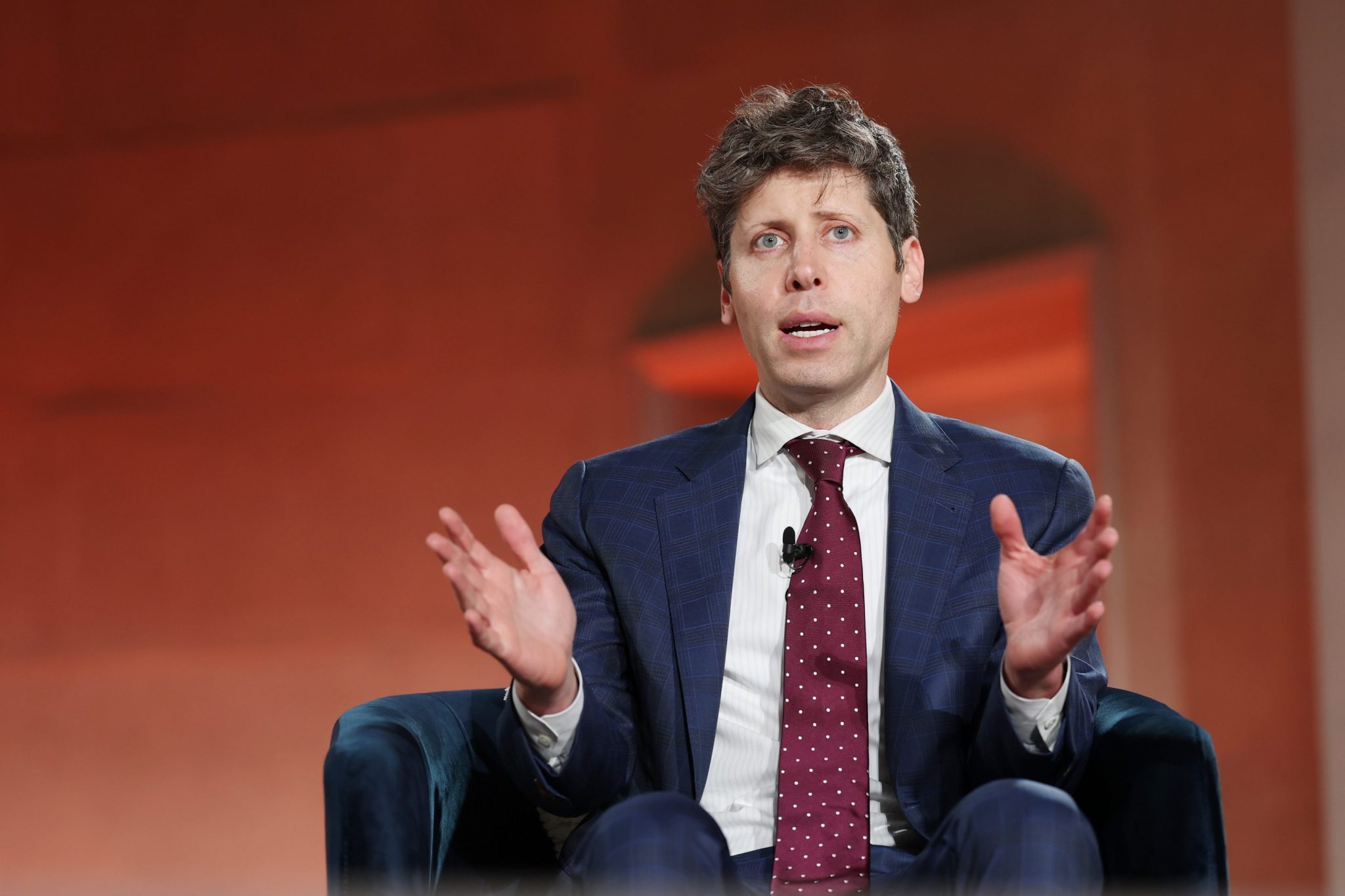
AI CEOs from OpenAI, Anthropic, and Microsoft set aside their rivalry to warn Congress AI is making it too easy to design and create bioweapons
The CEOs of some of the biggest AI companies in the world have set aside their cutthroat competition to co-sign an open letter to Congress asking for more safeguards against a threat that their own technology has helped create. Dario Amodei, Sam Altman, and Mustafa Suleyman—the CEOs of Anthropic, Open AI, and Microsoft AI, respectively—signed their names to a public letter to Congress urging the government to screen for the buying and selling of synthetic materials that could be used to create bioweapons. The letter, signed also by dozens of experts in the life sciences and national security fields, was organized by the conservative-leaning think tank, the Foundation for American Innovation, as well as the nonpartisan Institute for Progress. The letter specifically asks Congress to mandate screening for companies that are selling synthetic DNA and RNA, which the letter’s authors argue could be used to create bioweapons with the help of AI. Notably, some of the companies that manufacture these materials, like Twist Bioscience and Ansa Biotechnologies, also signed the letter, signaling that at least part of the industry welcomes the regulation. “AI systems are improving rapidly, and alongside incredible benefits to science and medicine, there is a real possibility that the knowledge barriers which have historically prevented bad actors from obtaining biological weapons will meaningfully erode,” the letter read. While companies selling synthetic DNA and RNA already do some screening voluntarily, the letter wants Congress to go further by making it legally required across the industry. The letter also urges Congress to require the companies that sell these synthetic materials to keep records on their orders, as well as the exact specifications of the materials sold, in an effort to help with potential biosecurity investigations. The letter comes as improved AI models continue to spread to more people at global and exponential scale. A study by Stanford University from ea