NASA’s Webb Finds Clues to Ancient, Distant Origin of Comet 3I/ATLAS
Why this matters: new research or scientific developments with potential real-world impact.
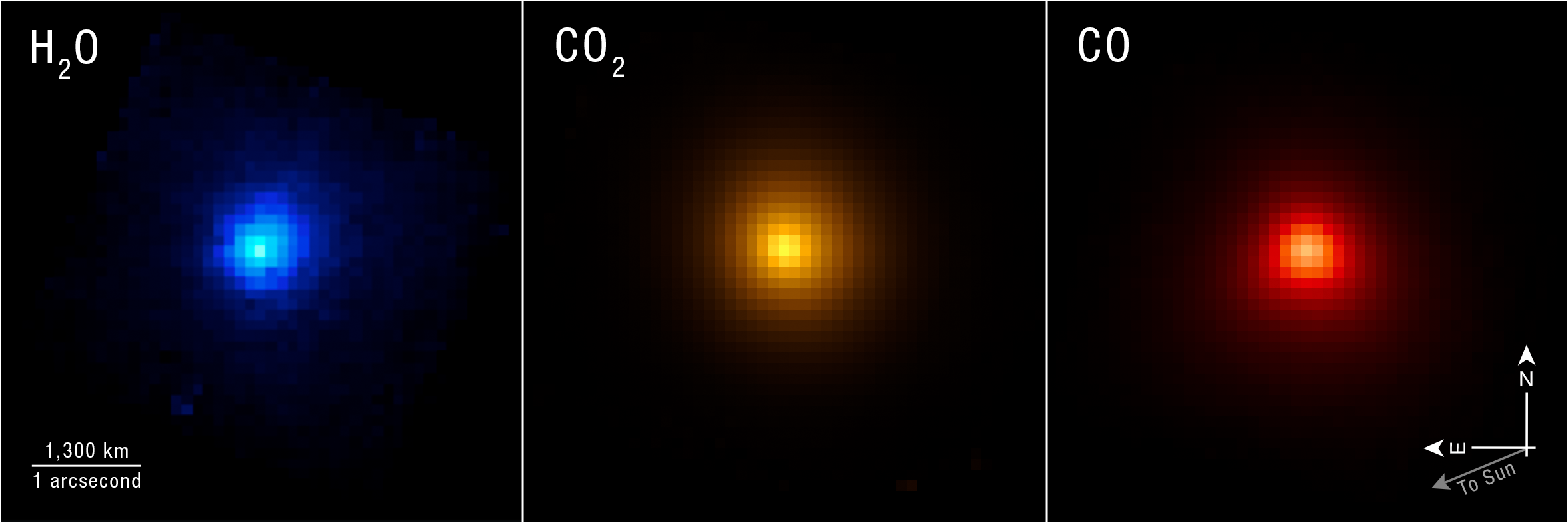
Explore Webb Science James Webb Space Telescope (JWST) NASA’s Webb Finds Clues to… Webb News Latest News Latest Images Webb’s Blog Awards X (offsite – login reqd) Instagram (offsite – login reqd) Facebook (offsite- login reqd) Youtube (offsite) Overview About Who is James Webb? Fact Sheet Impacts+Benefits FAQ Webb Timeline Science Overview and Goals Early Universe Galaxies Over Time Star Lifecycle Other Worlds Science/Engineering Explainers Observatory Overview Launch Deployment Orbit Mirrors Sunshield Instruments & ISIM Module Instrument: NIRCam Instrument: MIRI Instrument: NIRSpec Instrument: FGS/NIRISS Optical Telescope Element Backplane Spacecraft Bus Webb vs Hubble -> Multimedia About Webb Images Images Videos What is Webb Observing? 3d Webb in 3d Solar System Podcasts Webb Image Sonifications Webb’s First Images Team International Team People Of Webb More For the Media For Scientists For Educators For Fun/Learning 4 Min Read NASA’s Webb Finds Clues to Ancient, Distant Origin of Comet 3I/ATLAS Researchers used the NIRSpec (Near-Infrared Spectrograph) instrument on NASA’s James Webb Space Telescope to map specific chemical contents of comet 3I/ATLAS as it moved away from the Sun. Full image shown below. Credits: Image: NASA, ESA, CSA, STScI, Martin Cordiner (CUA, NASA-GSFC); Image Processing: Alyssa Pagan (STScI) As interstellar comet 3I/ATLAS began moving away from the Sun in December 2025, astronomers took the opportunity to turn NASA’s powerful James Webb Space Telescope in its direction and capture detailed measurements of its chemical components. The comet was freshly warmed from its closest pass by the Sun, and its ancient ice had been converted to a bright coma of gas ideal for observation. Webb captured detailed data, including chemical ratios of carbon and deuterium, also known as heavy hydrogen, that are not found in solar system comets. The results surprised researchers. Working backward, astronomers used the components that make up comet 3I/ATLA