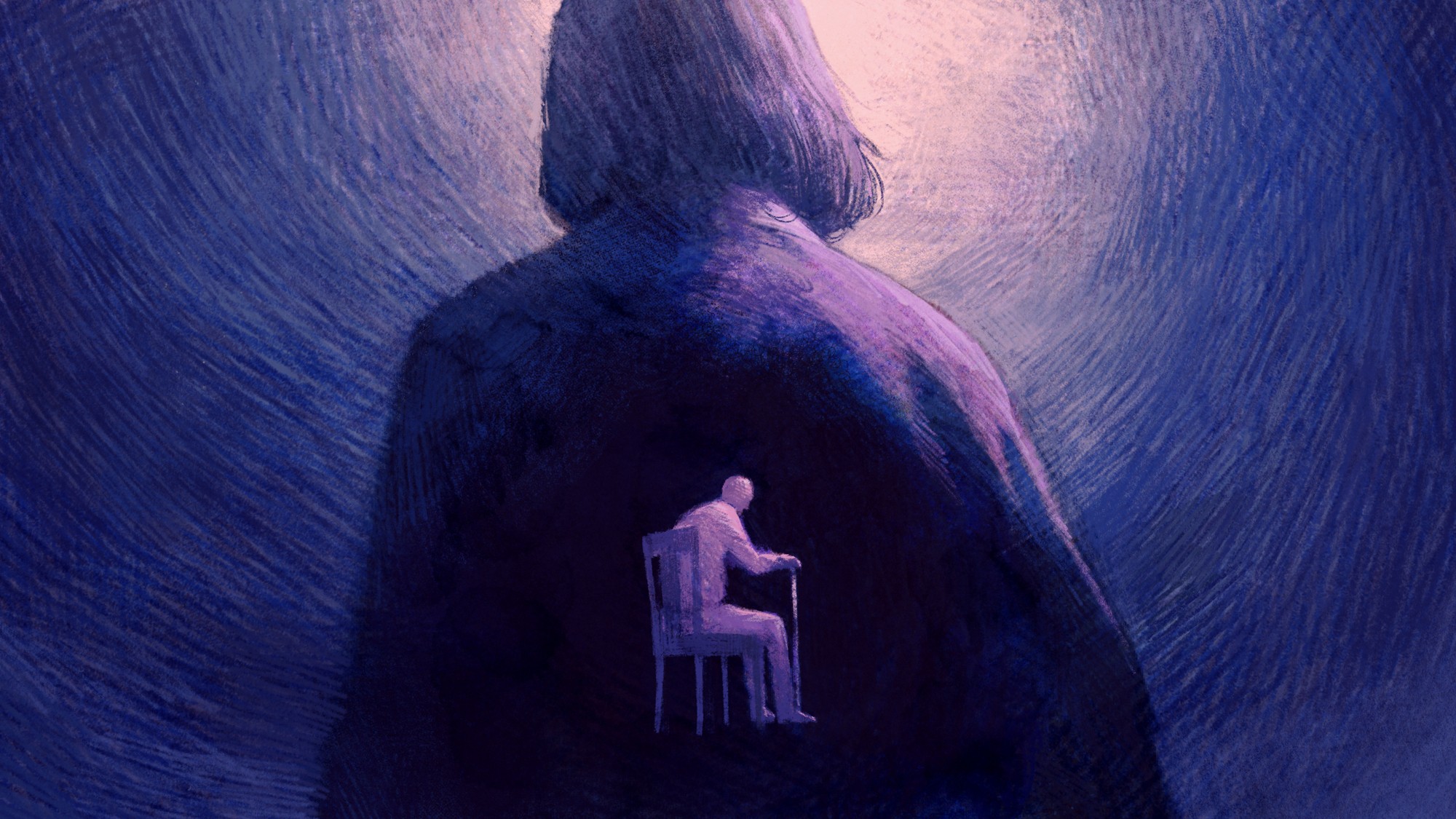
The Elder-Care Delusion
As far as growing old goes, the Dutch have it pretty good. The Netherlands offers arguably the world’s most generous long-term-care insurance, covering professional nursing or home care for all residents who can demonstrate need. The country spends a whopping 4.1 percent of its GDP on formal elder-care services, 94 percent of which is publicly funded. (The United States, by comparison, spends 1.3 percent, 71 percent of it publicly funded.) “No other country spends more per capita on publicly financed formal care,” a 2023 working paper published by the National Bureau of Economic Research concluded.And yet, nearly half of elderly Dutch residents who need assistance with the basic functions of daily life—dressing, bathing, grocery shopping, paying bills—still partly or even entirely rely on informal care from family and friends. Herein lies a lesson for Americans: Chances are, your elder care will not be outsourced, at least not entirely.It is no secret that in the United States, the accessibility and quality of long-term care leave a lot to be desired. But many Americans go through life carrying two big misconceptions about aging. One is that, in the postindustrial world, a ton of elder care is hired out to professionals. The other is that, with sufficient savings and adequate public services, it is possible to avoid relying on kin for help.These notions are, quite simply, more myth than reality. The Boston University sociologist Deborah Carr told me that in classroom discussions on aging, she routinely hears her undergraduate students echo a “Grandpa Simpson” stereotype of American elder care: They assume that many older people spend their latter years in nursing homes, largely forgotten by their families. But “the proportion of older adults who actually live in a nursing home,” Carr said, “is very, very small.” And even when the elderly are in residential care, family members tend to be highly involved.In my own conversations with family and friends, I find that ma