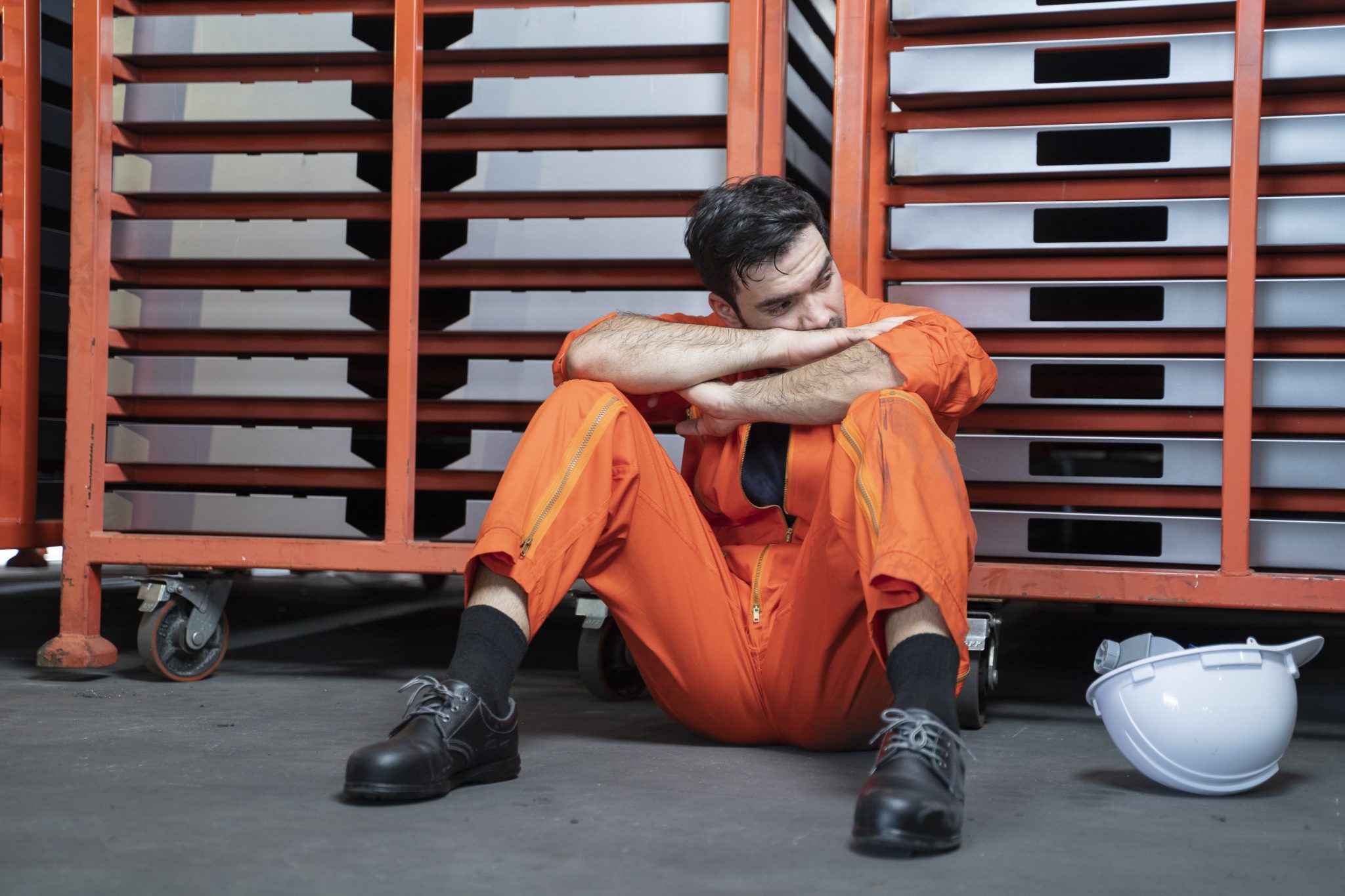
Gen Z is ditching college for ‘more secure’ trade jobs—but boilermakers and welders actually rank among the worst entry-level jobs
Trade jobs are having a moment. Touted as the smarter, safer alternative to “irrelevant” overpriced degrees and entry-level white-collar jobs (which tech CEOs warn could soon be swallowed by AI), traditional manual work like welding, plumbing, and carpentry is experiencing a resurgence among Gen Z. Around 78% of Americans say they’ve noticed a spike in young people turning to jobs like carpentry, electrical work, and welding, according to a 2024 Harris Poll for Intuit Credit Karma. They’re not wrong. Trade school enrollment really has been surging post-pandemic, even outpacing university enrollment. And it makes sense: six-figure salaries without student loans, the freedom to work for yourself, and hands-on, real-world skills that can’t be outsourced to a chatbot. But new research suggests the reality isn’t as stable—or as future-proof—as it’s being pitched. According to a new WalletHub study ranking the best and worst entry-level U.S. jobs in 2026, trade roles dominate the bottom of the list. Welders, automotive mechanics, boilermakers, and drafters all rank among the least promising career starters based on WalletHub’s determined factors including immediate opportunity (average starting salary, number of job openings, and unemployment rate), growth potential (job and income growth), and job hazards. The 10 worst entry-level jobs Computer Numeric Control Machine Programmer Boilermaker Automotive Mechanic Emergency Dispatcher Welder According to the researchers, these roles scored poorly due to limited job availability and weak growth potential, as well as their potentially hazardous nature. Plus, while you’d assume the physical nature of trade work makes them immune to automation, WalletHub’s analyst Chip Lupo tells Fortune that the data shows they’re also vulnerable. “New technologies like prefabrication and robotics are starting to take over parts of the workload, which can reduce demand,” Lupo explained. Just like office workers who are experiencing