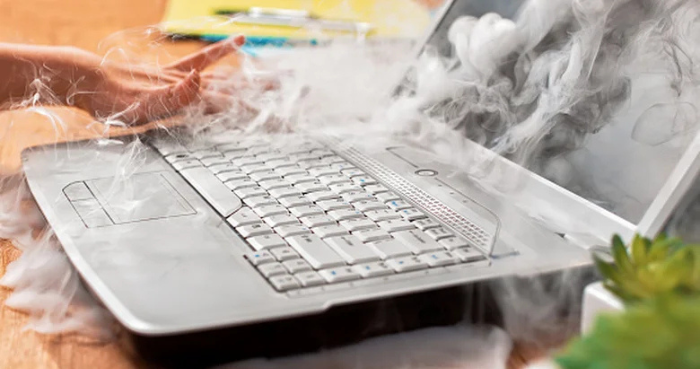
Laptop overheating on soft surfaces destroys hardware and here is why
Key takeaways
- Add ARY News on Google AAResize Despite their name, laptops should not be used directly on laps, beds, or couches, as doing so can cause severe hardware damage.
- Soft surfaces like cushions, pillows, or blankets obscure the device’s exhaust vents.
- To work comfortably without damaging the hardware, tech experts recommend using a dedicated cooling device.
Why this matters: local context for readers following news across Pakistan and the region.
Add ARY News on Google AAResize Despite their name, laptops should not be used directly on laps, beds, or couches, as doing so can cause severe hardware damage. Placing a laptop on a soft surface blocks vital airflow, leading to overheating and potential long-term component degradation.
Soft surfaces like cushions, pillows, or blankets obscure the device’s exhaust vents. This forces the internal fans into overdrive to cool the system. Over time, this thermal strain damages critical components, including the battery, reducing the machine’s efficiency. A loud, whirring fan is a clear warning sign that a laptop has reached unsafe temperatures.
To work comfortably without damaging the hardware, tech experts recommend using a dedicated cooling device. Cooling pads or mats sit between the laptop and a soft surface, actively blowing cool air directly onto the underside of the machine to regulate temperature. These portable accessories come in various shapes and usually connect conveniently via a standard USB cable.