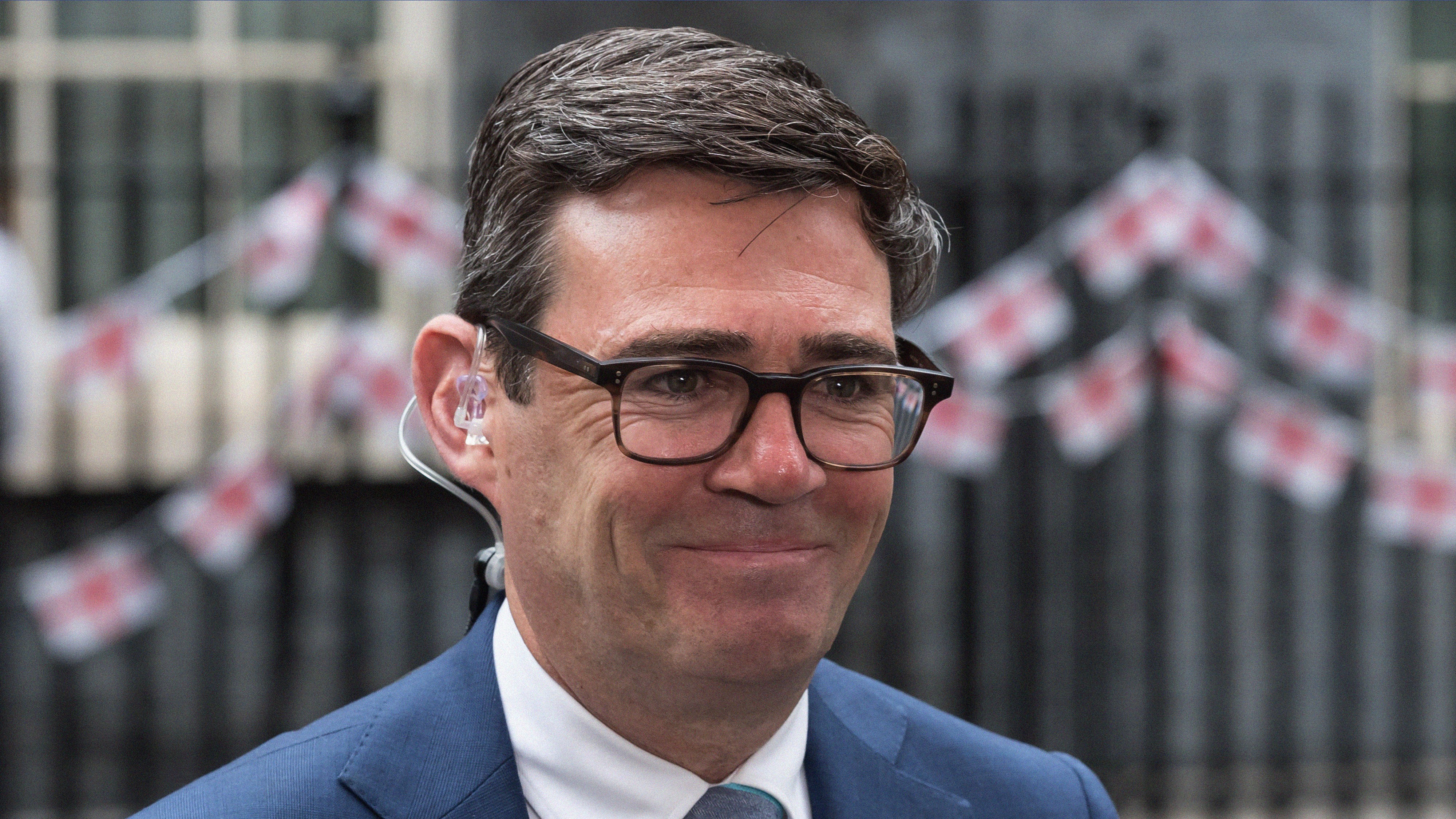
Britain’s Next Leader Has Emerged
Britain has a new prime minister in waiting. Andy Burnham has wanted to lead the Labour Party for more than a decade, and now the deep unpopularity of the incumbent, Keir Starmer, has created a path to Downing Street for the Manchester mayor. Yesterday in Makerfield, a constituency outside Manchester in northern England, Burnham won a special parliamentary election that basically everyone understood to be both a referendum on Starmer’s leadership and a test of his own ability to defeat the radical right.He won the by-election in a blowout, and is expected to challenge Starmer almost immediately—by pressuring him behind the scenes to resign or, failing that, by triggering a leadership contest. Either way, Burnham is highly likely to come out on top. The question for Britain is whether his easygoing charm and gift for communication will be enough to successfully lead a grumpy, stagnant country that has already had six prime ministers since the Brexit referendum in 2016.[Read: How Britain became as poor as Mississippi]Burnham’s path to power is, funnily enough, more typical of American politicians than British ones. In 2017, after falling out of favor with the prevailing mood within Labour—he was seen as too centrist and pro-business—he left the proverbial swamp by quitting Parliament for a local position, much like a congressman leaving D.C. to run for governor. In Manchester, generally agreed to be a prosperous and revitalized city, Burnham has been able to build a strong personal following without the pressures of national government. Championing what he calls “Manchesterism,” an agenda that seized back power for the city from the bureaucrats and money-men of London, he has become known as Labour’s King in the North.To compete for party leader and prime minister, though, Burnham needed a parliamentary seat. Unfortunately for him, Starmer knew this too, and successfully blocked him from running in a special election in a different Manchester-area constituency in Febr