Just 2 Hours of Strength Training May Lower Heart Disease Risk in Women
Why this matters: health reporting relevant to everyday decisions and well-being.
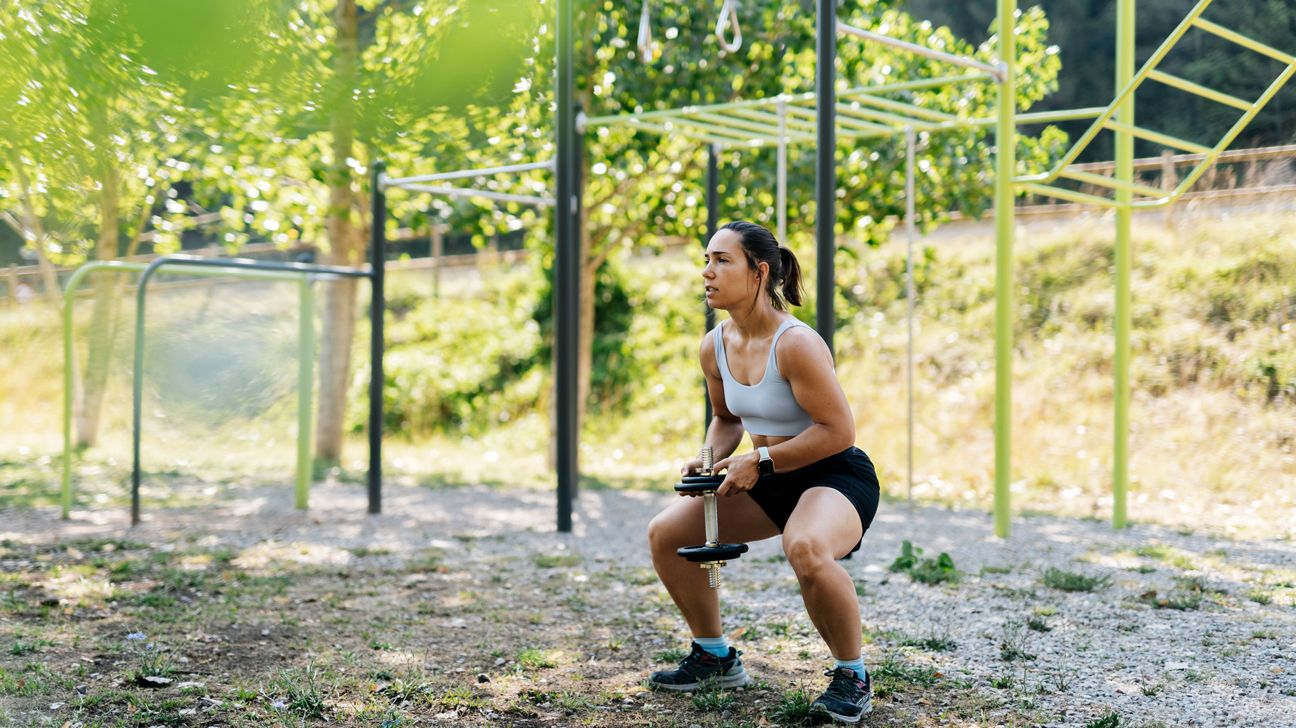
Research shows that 2 hours of weekly strength training may help reduce the risk of cardiovascular disease in women. Image Credit: COROIMAGE/Getty Images. A new study suggests that women who do at least 2 hours of strength training per week have a lower risk of cardiovascular disease. The findings add that women who perform 150 minutes of weekly aerobic exercise and at least 2 hours of weekly strength training have a lower risk of heart attack. Strength training is considered highly beneficial both during and after menopause. There are many well-known benefits of strength training, including stronger bones and muscles, improved heart health, and decreased abdominal fat. A new study suggests that women who engage in more strength training during midlife and beyond have a lower risk of cardiovascular disease than those who do not. The findings, published on June 17 in JACC, the flagship journal of the American College of Cardiology, show that heart health benefits increased when strength training was paired with aerobic exercise. Cardiovascular disease remains the leading cause of death worldwide. This makes accessible prevention strategies even more important. “Beyond heart disease, resistance training uniquely addresses osteoporosis by improving bone mineral density at the femoral neck and lumbar spine, frailty due to muscle loss, and fall risk, which are all conditions that disproportionately affect postmenopausal women,” said Mary Greene, MD, board certified cardiologist with Manhattan Cardiology in NYC. Greene wasn’t involved in the study. “This makes resistance training a particularly high-value intervention in this population, [as it addresses] multiple morbidities simultaneously.” Strength training lowers heart disease risk by 20% The study analyzed 117,025 females from the Nurses’ Health Study and Nurses’ Health Study II, with average baseline ages of 66.8 and 48.1 years, respectively. The researchers assessed strength training every 4 years, with arm and leg