A record number of 18-year-olds are set to graduate into an economy designed against them
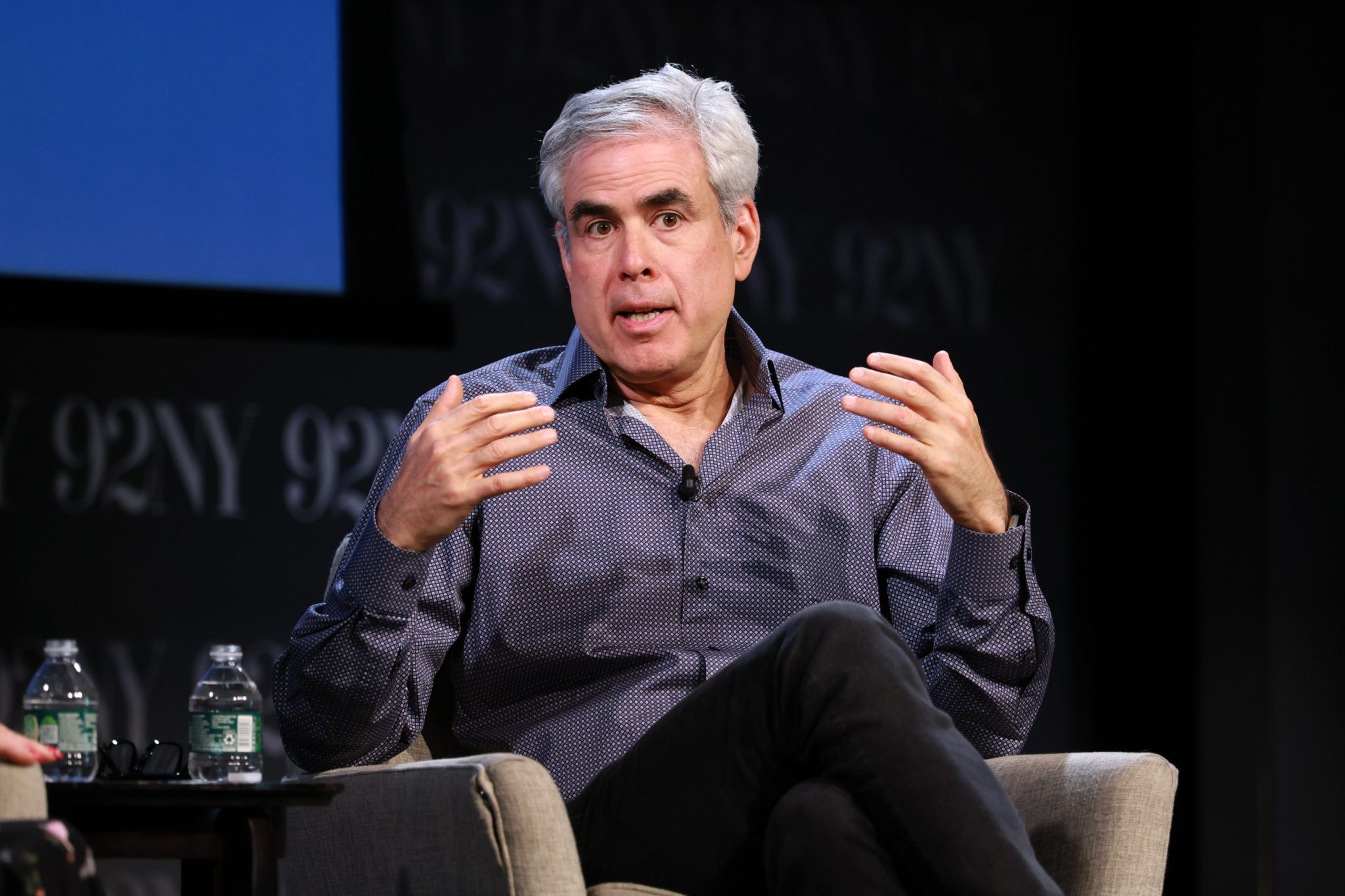
At commencement ceremonies across the country this May, a telling phenomenon is obvious. A speaker steps to the podium. They say the words “artificial intelligence.” And the audience erupts in boos. It happened at the University of Central Florida, when real estate executive Gloria Caulfield told arts and humanities graduates that “the rise of artificial intelligence is the next industrial revolution.” It happened at the University of Arizona with former Google CEO Eric Schmidt, even though he went out of his way to calm the obviously strong emotions. “There is a fear in your generation that the future has already been written,” according to remarks reported by NBC News, “that the machines are coming, that the jobs are evaporating, that the climate is breaking, that politics is fractured, and that you are inheriting a mess that you did not create, and I understand that fear.” At New York University’s ceremony at Yankee Stadium, psychologist Jonathan Haidt was met with walkouts and jeers the moment he took the stage. The author of The Anxious Generation was invited, in part, because of his work diagnosing Gen Z’s fragility. But as Fortune has been reporting for the past several years, if you want to understand why graduates are booing, the story doesn’t start at the podium. It doesn’t even start with AI. The wound was already there For more than a decade, economists have been tracking a quiet inversion in American well-being: young people are now the most despairing age group in the country. A 2025 working paper from the National Bureau of Economic Research by Dartmouth economist David Blanchflower and University College London’s Alex Bryson documented a dramatic rise in despair among young workers since the years just following the Great Recession — roughly 2012 to 2014 — reversing the classic pattern of the “midlife crisis.” Blanchflower previously told Fortune that the midlif