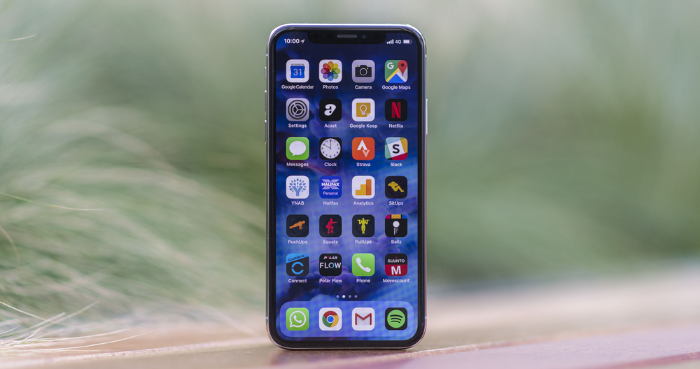
How long will an OLED smartphone screen actually last?
Key takeaways
- It is increasingly common to find smartphones equipped with OLED screens as the technology rapidly replaces traditional LCD panels.
- Modern OLED panels are now typically designed to last about 100,000 hours, which equals over 11 years of continuous, all-day use.
- Although OLED panels have a long lifespan, their organic pixels inevitably wear out over time.
Why this matters: local context for readers following news across Pakistan and the region.
Add ARY News on Google AAResize. It is increasingly common to find smartphones equipped with OLED screens as the technology rapidly replaces traditional LCD panels. However, many users still worry about the lifespan of these displays, specifically concerning the dreaded “burn-in” effect that plagued older models.
Modern OLED panels are now typically designed to last about 100,000 hours, which equals over 11 years of continuous, all-day use. This is a significant improvement from the early days of OLED technology, when screens first appeared in TVs around 2013 and had an estimated lifespan of only 36,000 hours.
Although OLED panels have a long lifespan, their organic pixels inevitably wear out over time. Users might notice a decrease in peak brightness after a few years. While manufacturing defects are covered by warranties, natural wear and burn-in are usually not. Apple has officially acknowledged that slight color shifts over time are normal for OLED displays.