Indigenous cultural practices are a climate solution, report finds
Why this matters: environmental and climate reporting with long-term consequences.
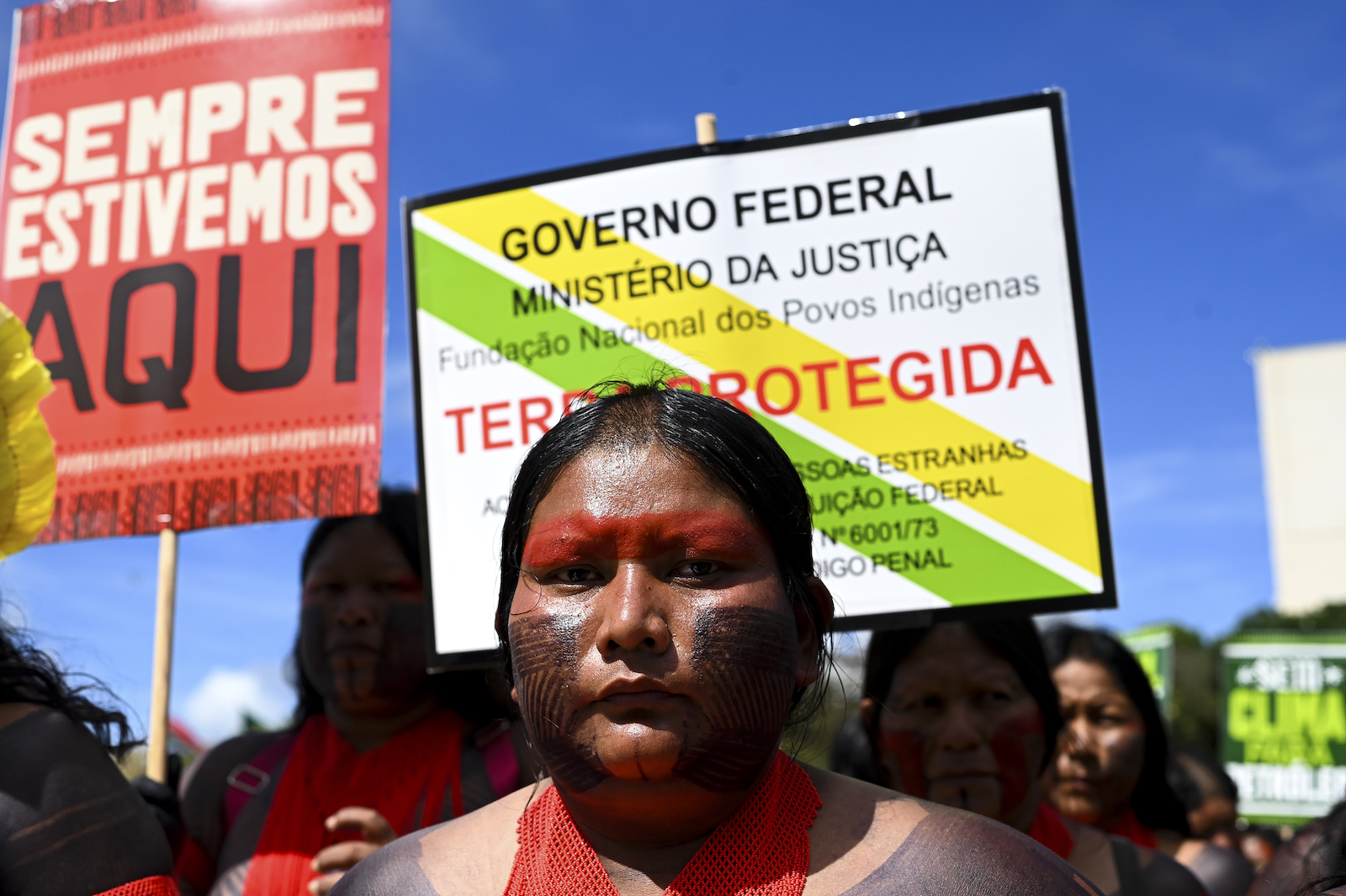
As the impacts of climate change continue to escalate, a growing number of climate scientists and policymakers cite Indigenous lands as a model for their rich biodiversity and effective carbon storage. But that recognition has not always translated into space for Indigenous leaders in climate negotiations, access to climate resilience funding, or enforcement of human rights standards. That has been the case for decades. But the problems do not stop there. New research shows that approach overlooks the key role that Indigenous knowledge and culture can play in mitigating climate change. It also reveals a dangerous misconception that has taken hold in global climate discussions: the idea that Indigenous lands are so rich because they are remote or sparsely populated. Nothing could be further from the truth. The health of Indigenous lands and their ability to store vast quantities of carbon stem from the stewardship of the people who inhabit them. That’s the finding of research from Conservation International, which shows that traditional knowledge, community protocol, and Indigenous culture play a direct role in protecting forests, wildlife, and the environment. Sushma Shrestha, who is Indigenous Newar from Nepal and the study’s lead author, said the research comes at a critical time. “All of humanity relies on everything that Indigenous peoples have to contribute and offer in terms of their lands, in terms of carbon storage, in terms of biodiversity conservation,” she said. The study, released as a narrative report and a peer-reviewed study, explores how Indigenous knowledge and practices benefit the planet. It also found that all 43 of the surveyed communities are experiencing drought, extreme weather, and other adverse impacts from climate change. More than half are affected by extractive industries like mining and logging. Researchers interviewed 49 Indigenous leaders from six continents about how they steward their land, which ranged from the Amazon rainforest to