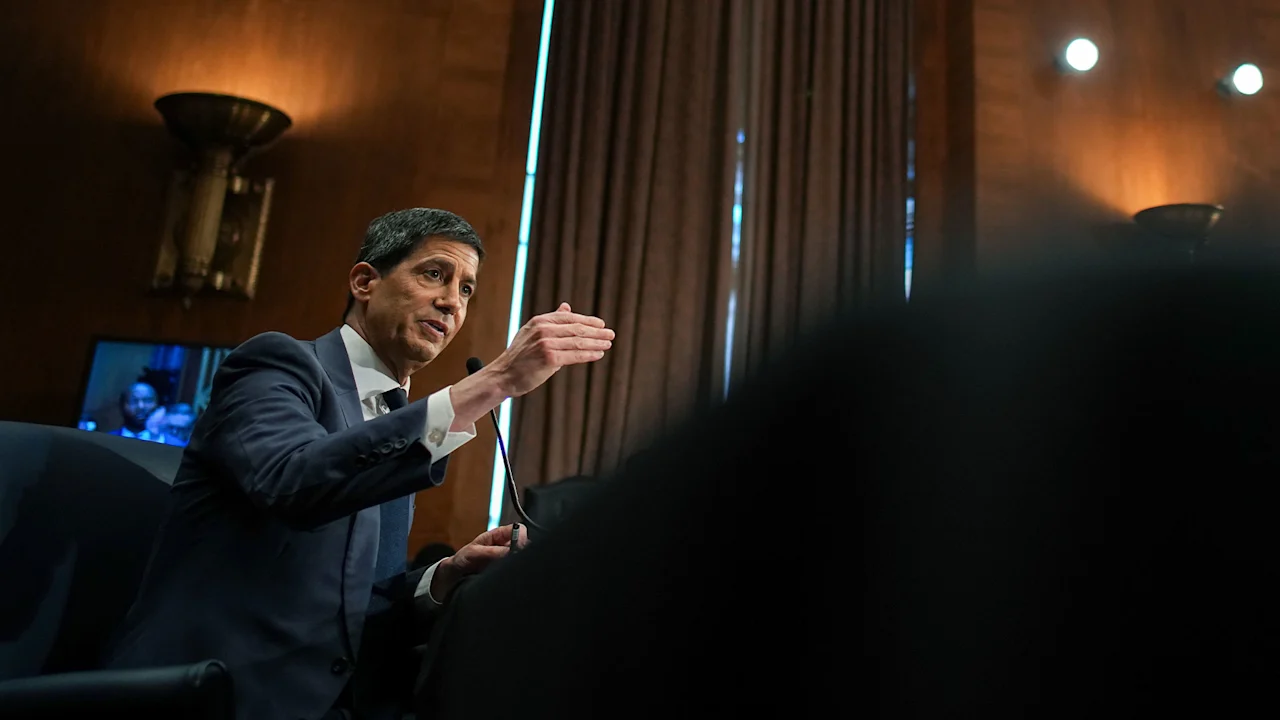
Why incoming Federal Reserve chair Kevin Warsh could be the guy to actually preserve its independence
Kevin Warsh is now likely to secure Senate approval as the next Federal Reserve chair—and become arguably the most powerful central banker in the world. But when Warsh appeared before the Senate Banking Committee for his confirmation hearing in April, one punchy question underscored the dilemma that Warsh, lawmakers and the Fed all face: “Are you going to be the president’s human sock puppet?” asked Republican Senator John Kennedy of Louisiana. On one level, the question reflects President Donald Trump’s intense pressure on the central bank to cut rates, with current Chair Jerome Powell often the target of his ire. But it also points to Warsh’s own inconsistency on inflation. Earlier in his career, he was a “hawk,” pushing for interest rate hikes to curb inflation and opposing the novel crisis management authorities that the Fed took on after the 2008 financial meltdown. Now, Warsh supports the interest rate cuts that Trump has exhorted as a way to juice growth. Warsh has also come under fire for his deep ties to the financial sector, where he once worked. Lawmakers such as Democratic Senator Elizabeth Warren of Massachusetts have cited the potential conflict of interest posed by his undisclosed assets, even though in theory they’ll be divested as part of Warsh’s arrangements with the government’s ethics watchdogs if he becomes chair. As scholars who study central banks and the politics of finance, we understand why concerns about Warsh’s credibility have persisted. But perhaps counterintuitively, we also believe that once he’s confirmed, his finance background could reinforce his prior hawkish leanings, leading to more independence from Trump on inflation and interest rates. Is past prologue? If confirmed as chair, as expected, Warsh and his colleagues on the Fed’s policy-setting committee would wield enormous power. Not only does the central bank set the benchmark rate that determines short-term lending, but the Fed also oversees a US$6.7 trillion balance sheet, m