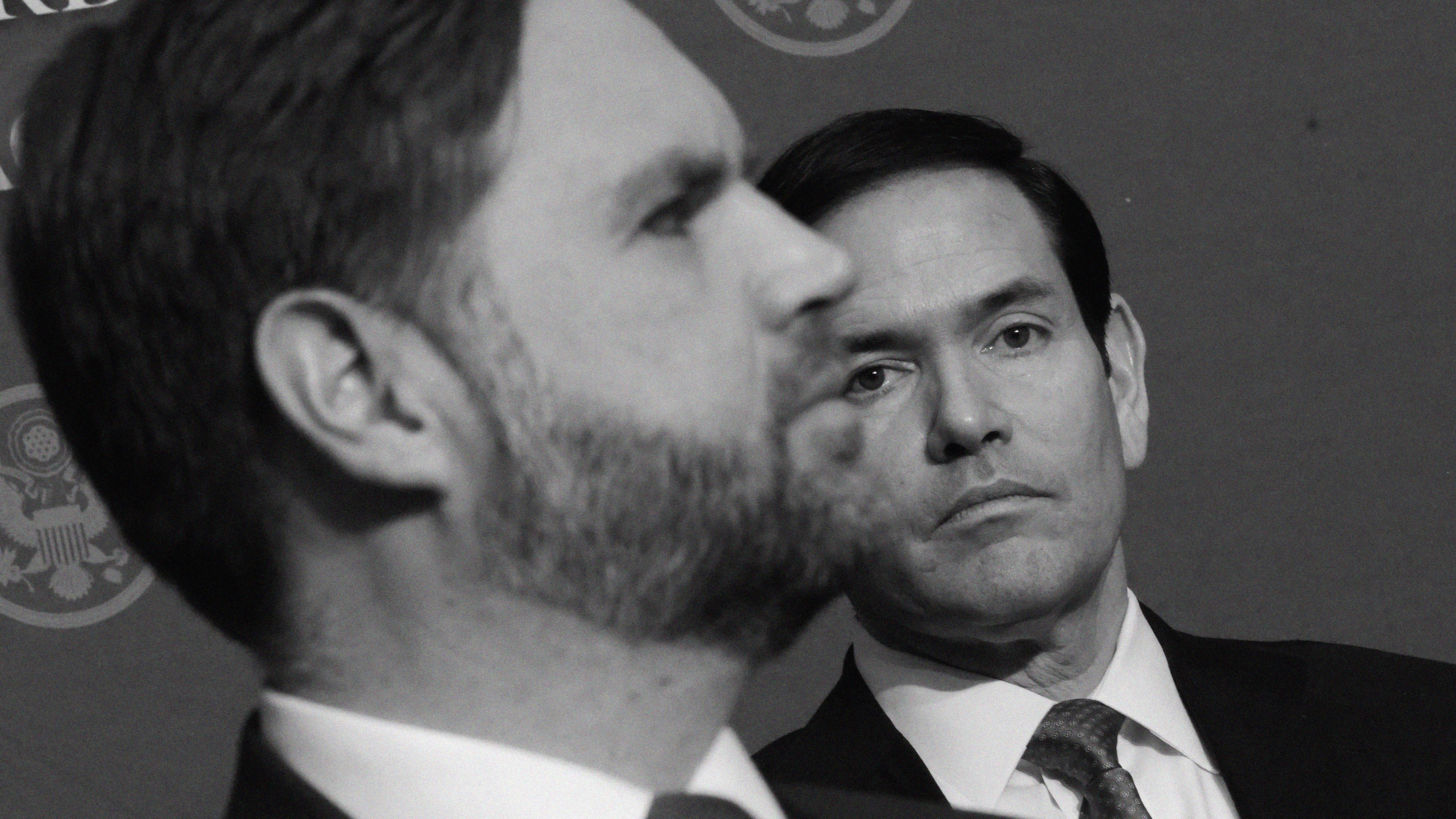
Vance vs. Rubio: Iran Edition
Secretary of State Marco Rubio has for months been working to seal an agreement between the Israeli and Lebanese governments to clamp down on Hezbollah and allow Israel to withdraw its forces from Southern Lebanon. Then, last week, the future of Lebanon appeared front and center in the new agreement between the United States and Iran championed by Vice President Vance—giving Tehran a big say in Lebanon’s future.The result is that the U.S. is now negotiating over one country on two different tracks—led by two men with significantly different styles and worldviews. Rubio is more of a globalist and more conventional in his approach, emphasizing government-to-government talks and diplomatic process. Vance, who privately voiced his concerns about conflict with Iran in the lead-up to the war, is pugnacious and transactional. The president’s top-two emissaries also happen to be the highest-profile potential candidates to succeed him.Vance and Rubio’s delicate diplomatic dance aims to solve an issue that has bedeviled generations of American peace efforts. Already, there is some confusion. Although the two men are working in close coordination, they have offered seemingly contradictory visions of where Lebanon fits into the puzzle. Yet their joint efforts could determine not just what happens in Lebanon but also whether fighting between Hezbollah and Israel scuppers the whole Iran peace process.U.S. officials initially resisted including the conflict in Lebanon on the list of issues to solve with Iran, the most prominent of which is preventing Tehran from developing a nuclear weapon. But they conceded to Iran’s demand to include Lebanon on the agenda in order to restart negotiations and to address Iran’s use of proxy groups to carry out attacks across the region. The first paragraph of the 14-paragraph memorandum of understanding that President Trump signed last week mentions Lebanon three times, including: “The final deal will confirm the permanent termination of the war o