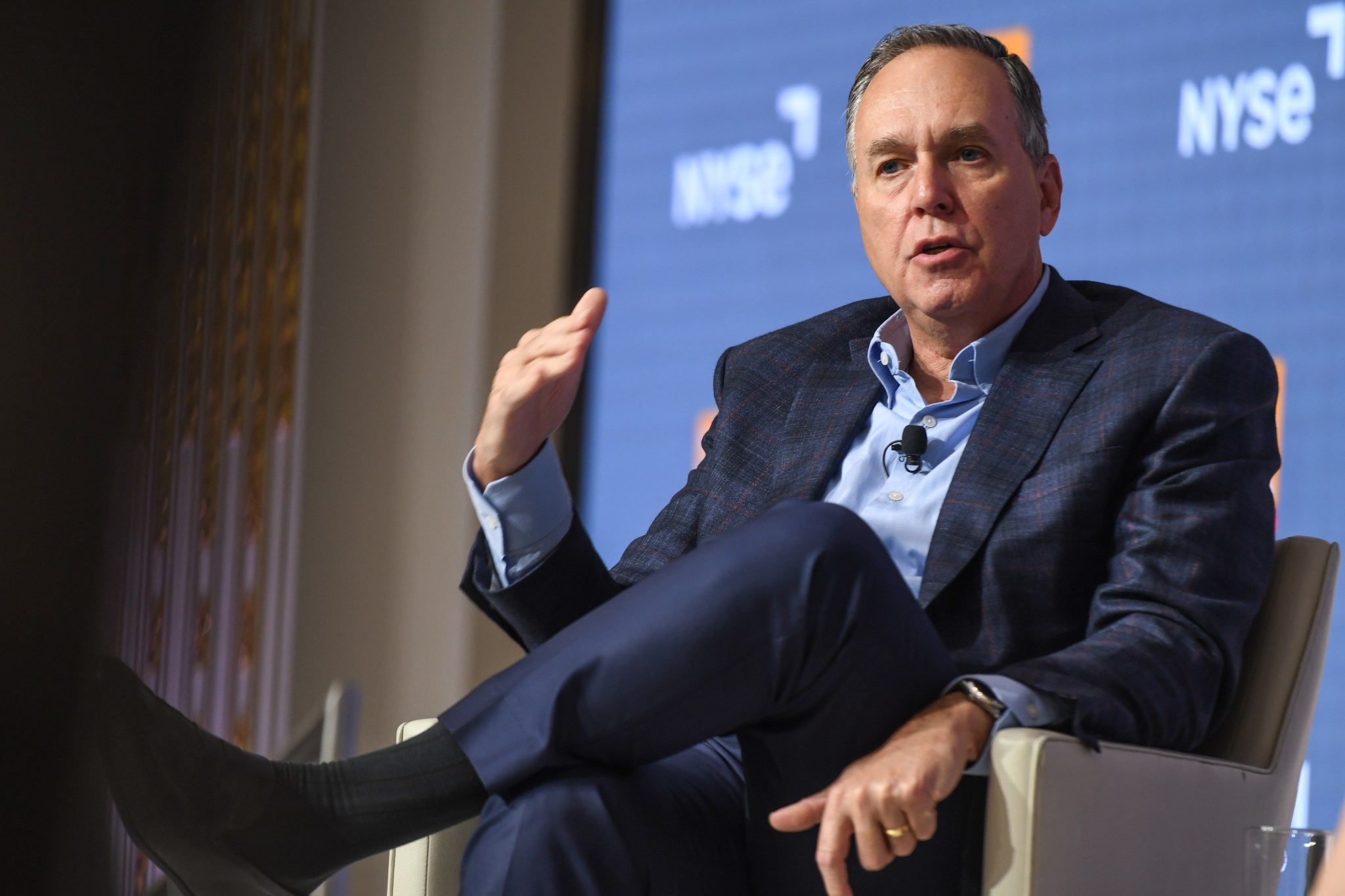
Why Amex’s CEO scrapped a bonus system that made executives compete for cash
At American Express, the old bonus season had a predictable rhythm. Business-unit chiefs came into the year ready to make their case, defend their turf, and grab as much investment capital as they could. The logic was simple: Grow your own kingdom faster than the others, and your reward got bigger. The system was meant to sharpen performance. Inside Amex, it also sharpened rivalries. A leader with a fast-growing unit had every reason to argue for more dollars, even if the better return for the company might have come from sending that money somewhere else. The result, as one longtime executive put it, was tension that did not always make the company better. Amex’s CEO, Stephen Squeri, tells Fortune that he saw an even deeper problem. The incentive system was teaching senior leaders to think like divisional owners rather than enterprise builders. That became especially important during the pandemic when customer spending patterns changed abruptly, and the company had to decide quickly which parts of the business deserved fresh investment. So Squeri junked the scoreboard. Bonuses would no longer depend on how one unit performed against another. Instead, they would rise or fall with American Express’s overall performance. The board would set targets around companywide measures such as earnings per share, revenue growth, and shareholder return, and the executive team would share in the results. “We’re all going to sink or swim together,” Squeri recalls telling employees. By tying leaders’ bonuses to the same companywide outcome, Squeri redirected the conversation among Amex’s top executives from internal claims on capital to the highest-return uses of it across the company. The new incentive model still requires discipline. A companywide bonus pool can let weaker performers benefit from a strong year, leave stronger units feeling as if they are carrying the rest of the company, and make compensation a blunter tool for addressing a struggling business. That puts mo