Trump’s Other Paint Job
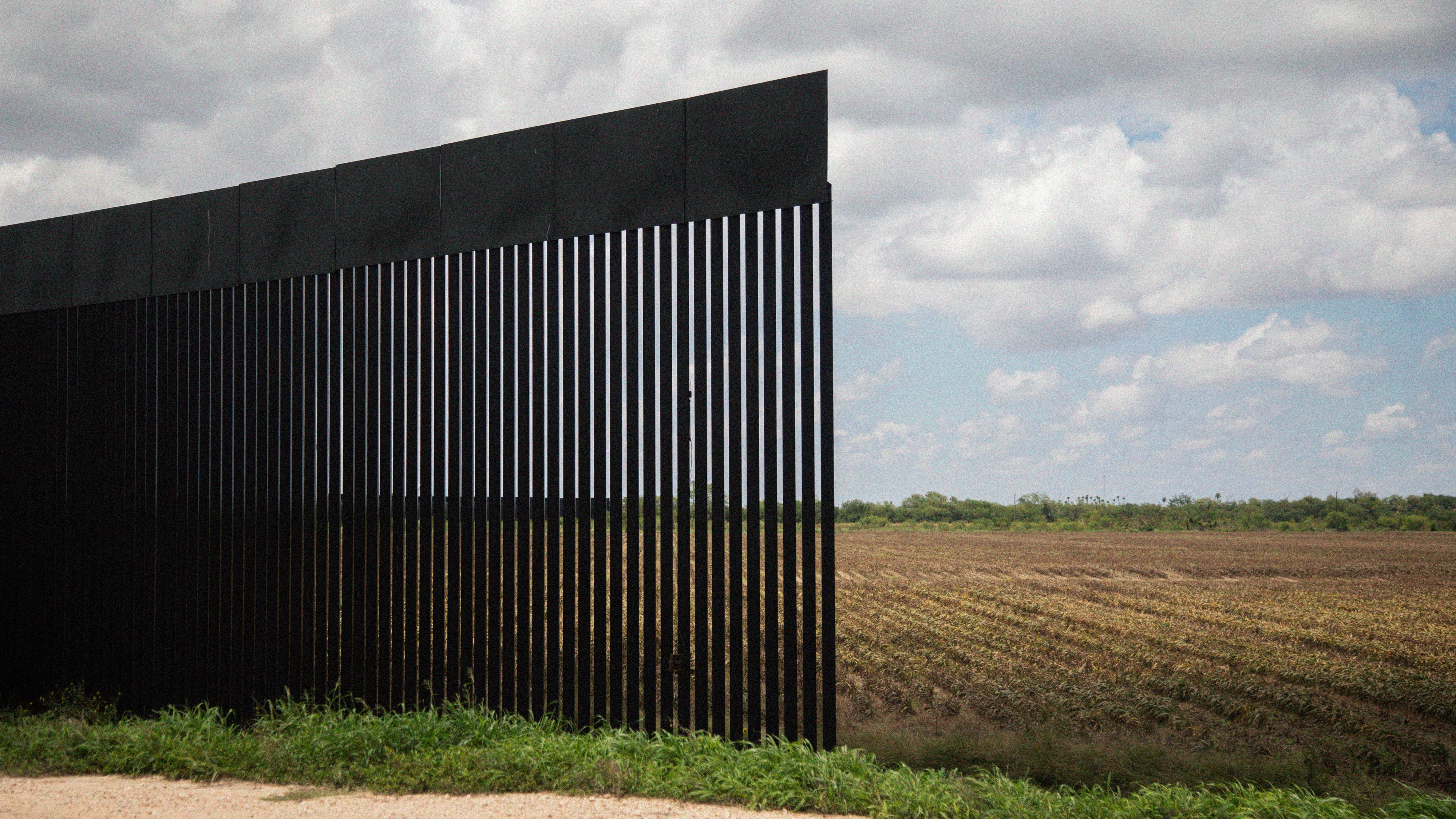
Halfway through President Trump’s first term, as construction crews were busy installing hundreds of miles of barriers along the southern border, a puzzling edict came down from America’s aesthete in chief. Trump wanted the border wall painted black.The president had already lost an argument about what his “big, beautiful wall” should look like. Trump envisioned a solid-concrete structure, like the one Israel has built through the West Bank. But U.S. Customs and Border Protection already had a preferred prototype, consisting of vertical steel bars that, crucially, allowed border agents to see through to spot potential threats on the Mexican side. The competing visions pointed to a larger fundamental question: Whose border wall was it?How quaint that seems now. Trump in his second term treats federal property as his own, demolishing the East Wing of the White House, adding his name to the Kennedy Center, and ordering the construction of a 250-foot arch opposite the Lincoln Memorial. His fixation with paint continued as he ordered a blue coating on the Reflecting Pool that turned it into a slime lagoon. He also wants to cover the Eisenhower Executive Office Building’s granite in white paint to make it better match the White House, next door.Trump in 2017 was still willing to defer to experts, especially those in uniform. Although CBP officials managed to talk him out of the concrete-wall idea, along with a proposal to add sharp spikes to the top so that climbers would risk impaling themselves, they relented on the black paint. Trump saw it as another way to deter migrants. He told a story—since recited many times—about his golfing buddies scalding their arms after he installed a black-granite countertop at the snack bar of one of his clubs. The president even had a specific shade of paint that he called “flat black,” whose heat-retention properties he deemed superior. Potential border jumpers would burn their hands if they tried to touch the steel bars, Trump insisted