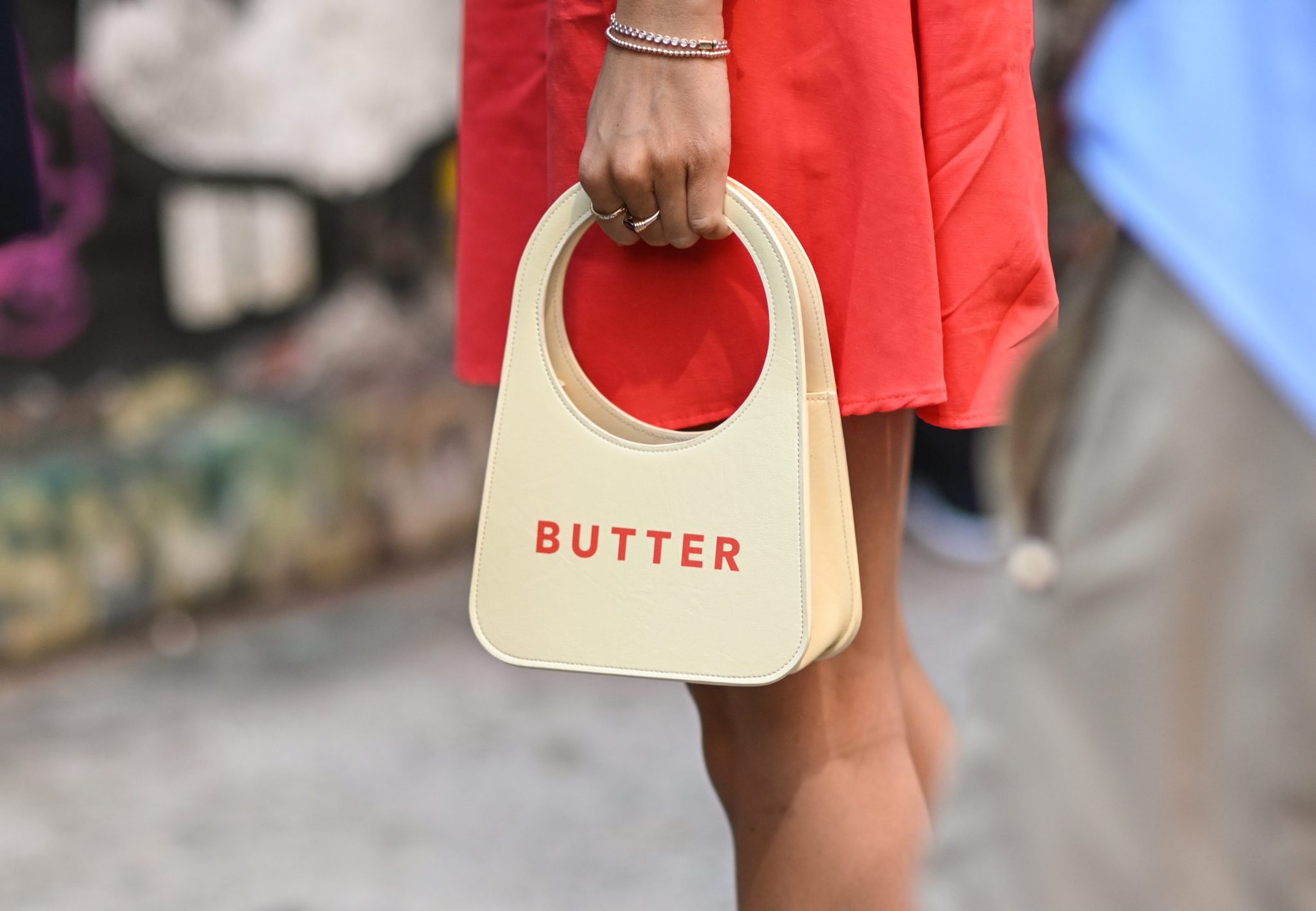
Welcome to the summer of ‘Butter Yellow,’ the shade of consumer anxiety
Why did America collectively decide this summer that it wanted to paints its nails, wear sun dresses and polo shirts, even stream old movies, featuring a queasy shade of yellow that looks like nothing more than a stick of butter on the top shelf of the fridge? “Butter yellow” isn’t just a real shade, it is emerging as the shade of the off-kilter year of 2026. Search interest in “butter yellow dress” and “butter yellow nails” both hit all-time highs this June—the third consecutive June “butter yellow nails” peaked at a high point. “Butter summer” as a search term more than doubled in a single week. The aesthetic has moved well beyond Pinterest boards: Butter yellow was spotted across runway collections from Chanel to Valentino this spring, Amazon has stocked up with clothing, shoes, and accessories in the shade, and beauty publications from Elle to The Zoe Report have declared it the dominant nail color of summer 2026. Simultaneously, Americans are rewatching Father of the Bride, drinking pineapple Kool-Aid and hunting down “90s butter mom movies.” Taken individually, these look like micro-trends. Taken together, they form something more interesting: a consumer psychographic in real time and another example of millennial parents’ nostalgia kick interacting with Gen Z’s love of ’90s retro. The lousy economy lends a hand, too. The vibe economy has a color palette Economists have long known that consumer aesthetics are countercyclical signals. During periods of financial stress and cultural turbulence, spending patterns tend to migrate toward comfort, softness, and the familiar. The “lipstick effect“—the observation that sales of small luxuries rise during recessions as consumers substitute affordable indulgences for big-ticket purchases—has been documented across multiple downturns, from the Great Depression, when cosmetic sales rose broadly, to the 2008 recessio