Analysts expected oil to surge above $200 but China has quietly kept prices half of that—and can’t for much longer
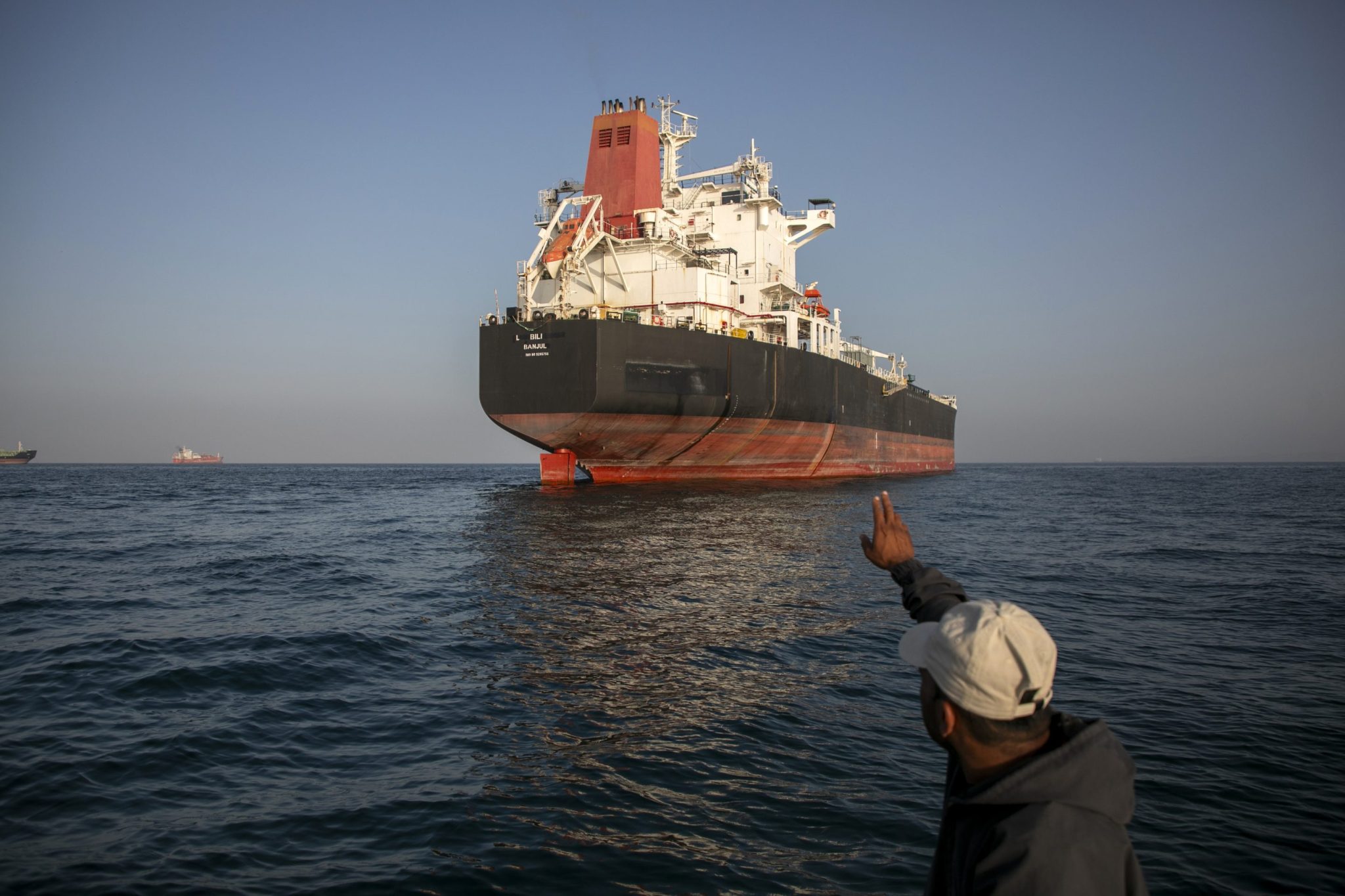
In the early days of the Iran war, analysts held the grim prediction that crude oil prices would top $200 a barrel, nearly triple pre-war prices. But more than three months into the conflict, their fears have not materialized, and analysts have China’s trade activity to thank for it. “As the conflict enters its fourth month, one development stands out: prices have become remarkably calm,” JPMorgan analysts wrote in a note this week. Oil prices hovered around $94 a barrel on Wednesday following President Donald Trump’s announcement thatIran will “pay the price” for its laggard progress in brokering a peace deal. Wednesday’s oil price is still below the $104 per barrel from a month ago. China’s plummeting imports have effectively shielded oil prices from increasing, analysts said. The effective closure of the Strait of Hormuz, through which about 20% of the world’s oil supply is traded, has created the largest energy disruption in global history. But China’s reliance on its strategic oil reserves, with its total stockpiles touching 1.4 billion barrels, has helped steady what could be a crisis of even greater magnitude. The country has gone from importing around 11 million barrels a day on average for the last five years to about 7.8 million barrels a day in May, according to customs data—its lowest levels in nearly a decade. China’s import reduction makes up about 74% of the world’s decrease in global crude oil trade, according to the JPMorgan note. Societe Generale analysts led by Mike Haigh, head of FIC and commodity research at the bank, noted China as the market’s “key rebalancing force.” In a note published on Monday, analysts noted today’s 14% loss in global crude supply as a result of the Strait of Hormuz closure has increased prices about 30%. By comparison, the 1973 OPEC oil embargo disrupted 7% of the global crude supply, yet prices skyrocketed by more than 130%. How long can China cushion energy costs? China’s ability to help keep oil prices lower may be li