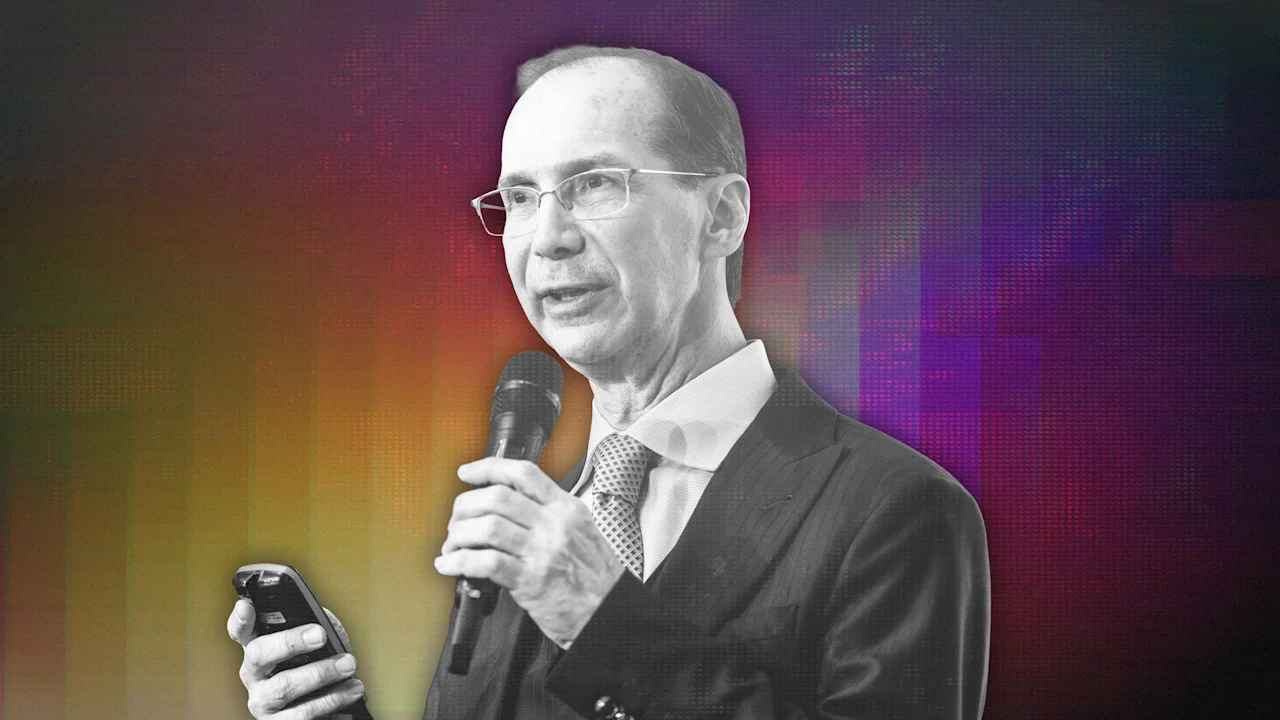
Bill Gross thinks AI companies are running out of ways to avoid paying creators
Bill Gross has a long history of betting on technological shifts and watching those bets pay off. But the latest proposition from one of Silicon Valley’s most storied founders and investors depends on forces far beyond the Bay Area. With Pro Rata, Gross is betting he can build a market in which publishers and creators can see how their work informs AI-generated outputs and get paid accordingly. He doesn’t expect AI companies to participate out of goodwill. In fact, Gross has already launched a spinoff, Gist, which allows ProRata partners to generate additional revenue from ProRata’s indexing of their work. Instead, he believes outside pressures will eventually leave AI operators with little choice. In a conversation with Fast Company, Gross discusses how he thinks that shift could happen, and why he believes some of the biggest names in AI are losing the plot. The interview has been edited for length and clarity. Where did the inspiration come for ProRata? The inspiration came when The New York Times sued OpenAI a few years ago. I thought, wow, I really do think that the AI companies are stealing stuff from everybody. I think that lawsuits are one way to solve it, but I think a better way to solve it would be a business model that’s fair to everybody. And I thought, just like Spotify shares revenue with artists, just like YouTube shares revenue with artists, why don’t the AI companies share revenue with artists? If I can solve the problem of unscrambling the egg, figuring out where the answer came from, then I could use that as the attribution breakdown for sharing 50% of the revenues, just like Spotify shares revenues with the artists. So, I worked for a few months on coming up with a method to do that, and I was successful. So, then I patented that, and then I said, now, let me go see if I can get publishers to join. So we have now signed 1,500 publications in the last two years. Now I need to convince the big AI companies to share their revenues 50/50 and us