Brightline proved America wants trains. Can it survive?
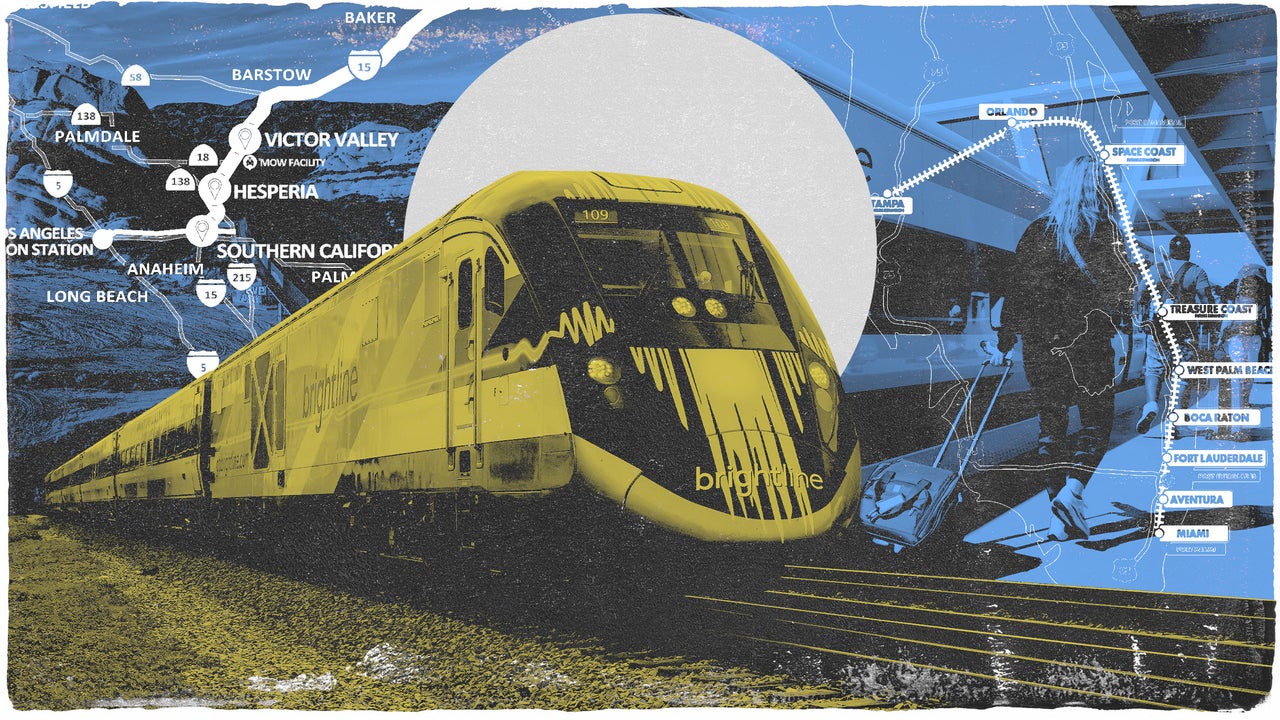
When Brightline first launched its train service in Florida five years ago, it was a turning point for passenger rail in the U.S. The sleek new trains were fast and equipped with features like free wi-fi; the spotless new train stations looked more like modern hotel lobbies than the aging depots used at many Amtrak stops. It was the first privately-owned intercity rail in the U.S. in decades, and boosters argued that it was proof that private companies could build rail faster and better than the government. The route covers more than 200 miles of track and reaches six cities, with the aim to expand. But now, the startup is teetering on the edge of bankruptcy. It’s not that riders don’t like the trains; reviews are glowing, and ridership is up 20% over a year ago. Still, Brightline projected faster growth, and it’s saddled with billions in debt. As cash runs low, the company has deferred interest payments with lenders until June 15, and it’s racing to find new funding. The company raises questions about what it takes for passenger rail to succeed in the U.S.—and how much private rail, like other transportation, needs the government to survive. [Photo: Martina Tuaty/Bloomberg/Getty Images] The billionaire bet on passenger rail Around 12 years ago, Brightline founder Wes Edens was inspired after reading a book about the oil tycoon Henry Flagler, who built a rail line in Florida in the late 1800s that helped boost the growth of cities in the state. Edens’ existing company, Fortress Investment Group, had invested in a freight railway that ran on Flagler’s old route. Edens, a billionaire who also co-owns the NBA’s Milwaukee Bucks, started thinking about the potential to bring passenger rail back. “I’m a big fan of private passenger rail in Europe,” he later told the Washington Post. “We thought, why not take a stab at it?” Passenger rail companies struggled in the U.S. after the growth of air travel and interstate highways. By the 1970s, Congress created Amtrak to keep pa