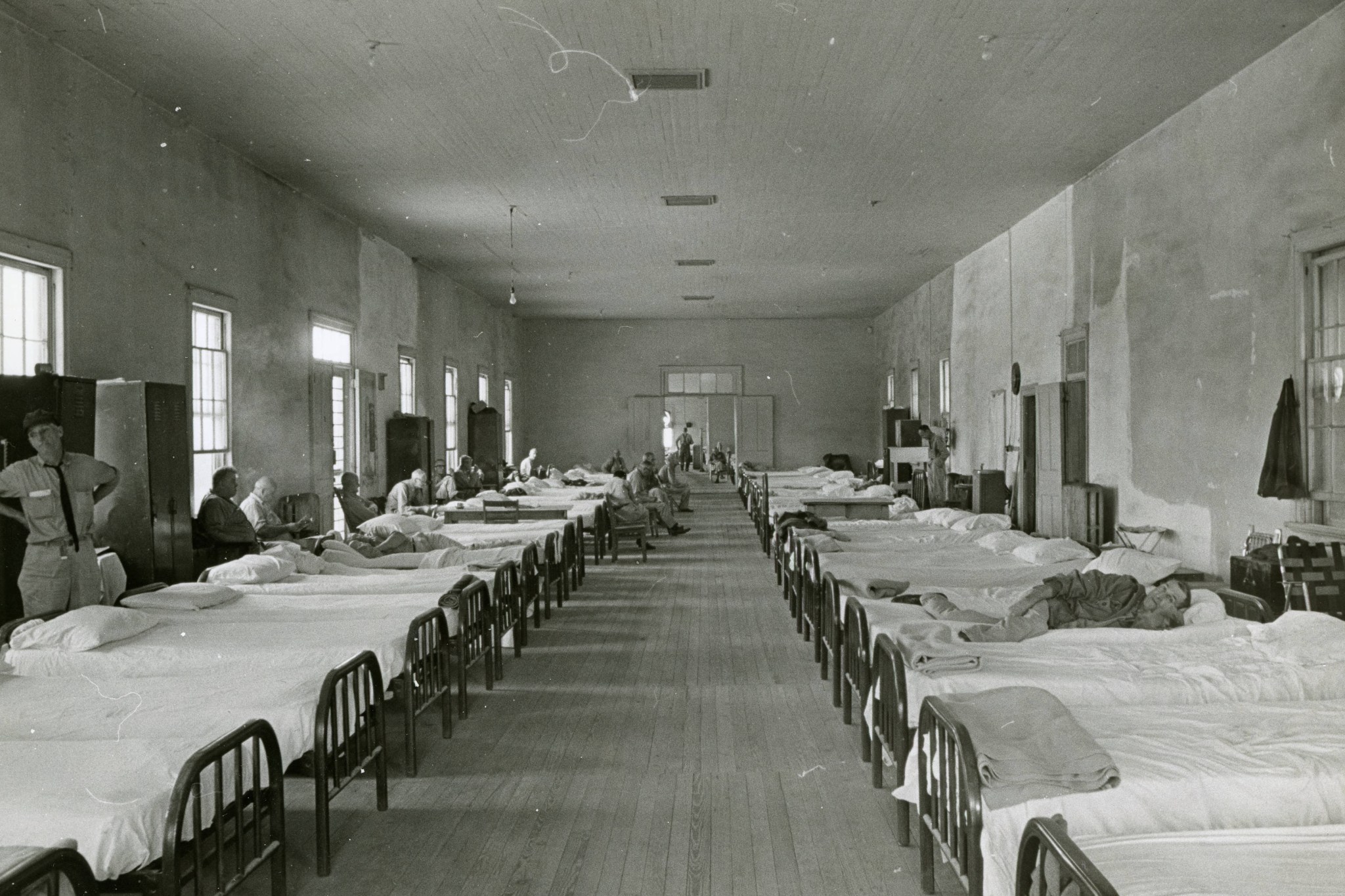
500,000 people were locked in state psychiatric hospitals. Their descendants can’t find out why
Breta Meria Conole was in a state psychiatric hospital for more than two decades. But the reason why is a family mystery. Debby Hannigan, her great grandniece, tried for years to access Conole’s medical records, because she thought they might hold clues to mental health issues in her family, including her oldest daughter’s depression. Hannigan twice wrote to the state of New York for the records. The second time she included a supporting note from her daughter’s therapist, who said the details would help “to know their family medical history better.” Both times she was turned away. Her experience is hardly unique. Frustrated family members and others have been pushing for law changes in New York and other states that would allow the release of mental health records of long-dead ancestors. Their efforts have resulted in access policy changes in some states, including Massachusetts and Washington, but elsewhere reforms are happening slowly or not at all. “It really does piss me off that we couldn’t just say, ‘Hey, we’re the descendants, here’s the proof, now tell us what you know!’” said Doug Clarke of Alfred, New York, who tried unsuccessfully to get records of a great-grandfather. The records might help explain the depression and bipolar syndrome seen in his generation of his family, he said. Here’s a look at the problem and what people are doing about it. The cruel history of state mental institutions In the 1800s, the U.S. saw a boom in state institutions for the confinement of people with mental illness; every state had at least one by 1890. They were called lunatic or insane asylums, but the reasons for admission ranged from “brain fever” and “grief and anxiety” to “laziness,” “religious excitement” and ”desertion by husband,” according to historical records. Conditions varied, but some asylums gained reputations as brutal, overcrowded warehouses where patients were neglected and restr