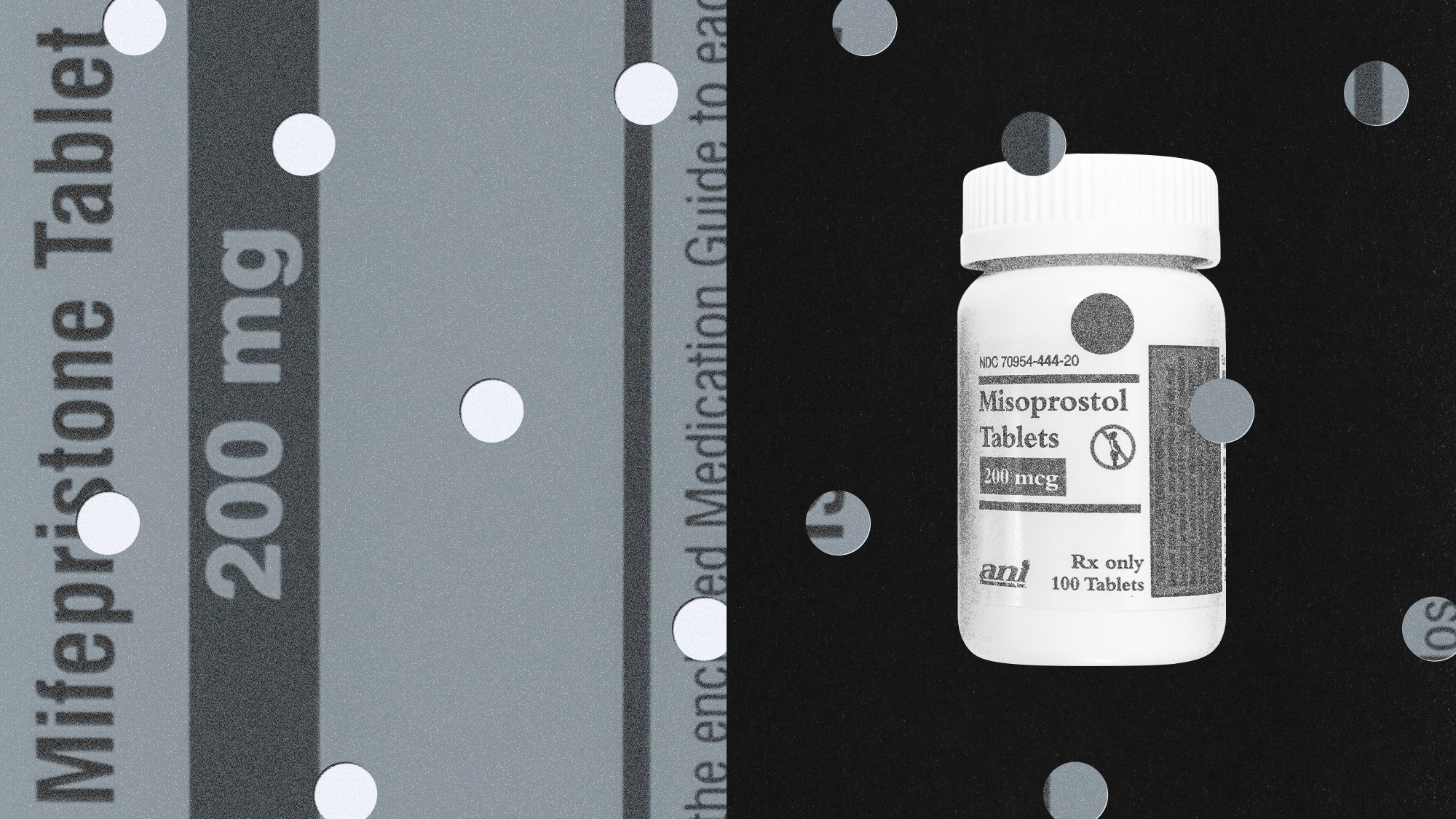
Abortion, Without the Abortion Pill
Over the weekend, reproductive-health-care providers across the country confronted a puzzle they had never before needed to solve at scale: how to offer medication abortion without mifepristone. The drug, also known as the abortion pill, is the first in a two-pill regimen that the FDA approved for pregnancy termination in 2000. Last Friday, the Fifth Circuit Court of Appeals blocked providers nationwide from prescribing it online or mailing it to patients, delivering the most sweeping shock to U.S. abortion policy since the overturning of Roe v. Wade.Some abortion providers suspended telehealth services immediately. Others moved toward using only misoprostol, the second pill in the usual protocol, which can end a pregnancy on its own. Misoprostol-only abortion has long existed at the edges of American abortion care; now, for providers, it could serve as a strategic hedge against an unstable legal future.Already, the Supreme Court has issued a one-week stay on the Fifth Circuit’s order, allowing mifepristone to once again be administered via telehealth. But mifepristone has been in the crosshairs of anti-abortion activists for as long as it’s been available in the United States. Even now, federal lawmakers are advancing legislation to ban mifepristone for medication abortion on the grounds that it is dangerous and likely to be abused. To assuage concerns about the potential for serious side effects, such as heavy bleeding and abdominal pain, the FDA long required doctors to prescribe the drug in person and supervise patients taking it. During the coronavirus pandemic, after reviewing data showing that patients could safely take the pills without an in-person clinical visit, the agency began allowing mifepristone to be prescribed via telehealth and delivered by mail.Those changes were the focus of the case before the Fifth Circuit, a lawsuit in which the Louisiana government has argued that mail-order access to mifepristone has circumvented the state’s near-total abor