Anthropic and OpenAI waged a $27 million proxy war in a Manhattan congressional race. The winner told them both to get lost
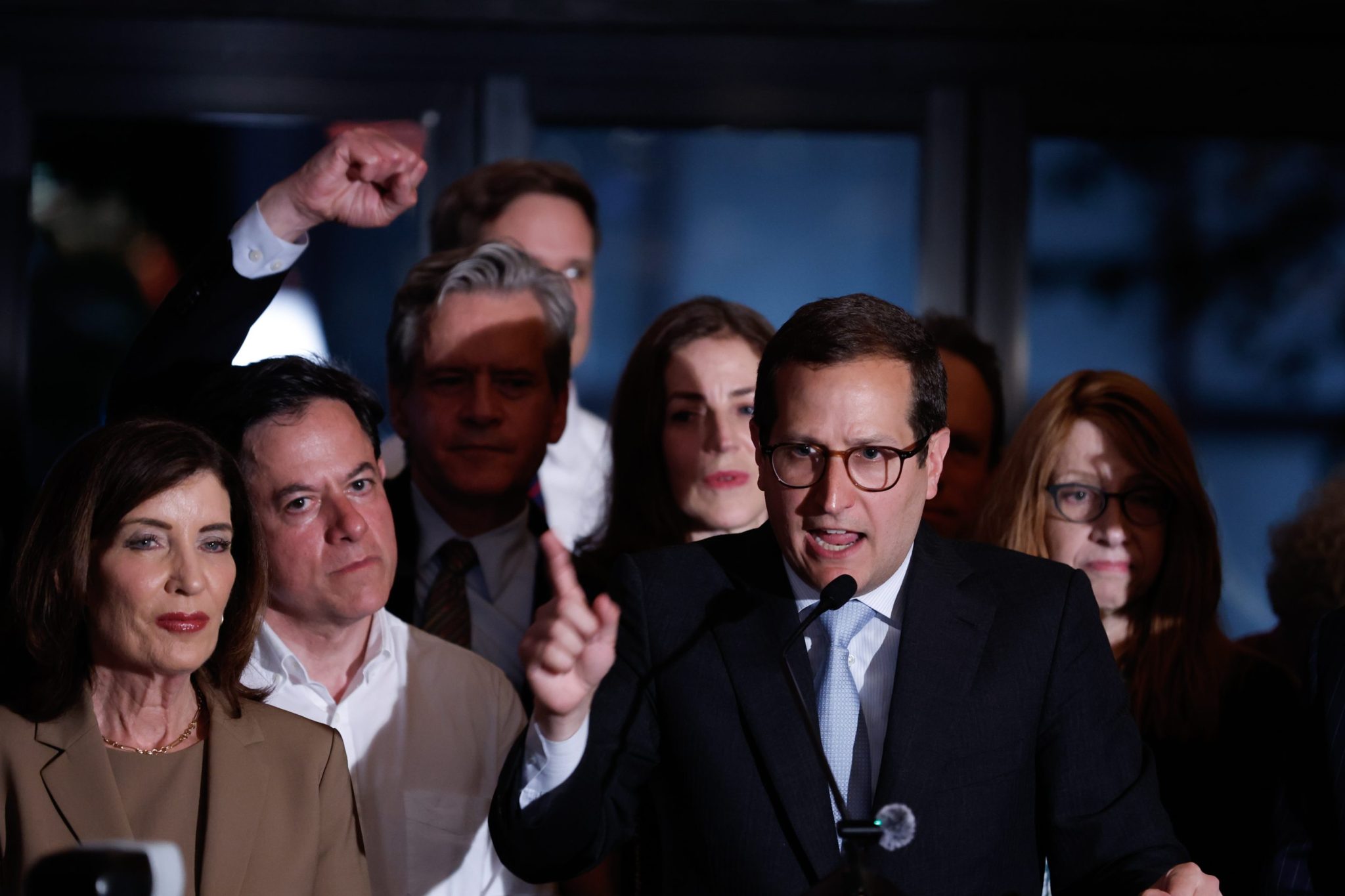
Micah Lasher had a message for the two AI companies that had just spent $27 million trying to decide who would represent Manhattan in Congress. “I have some news for the two big AI companies who’ve taken such an unusual interest in who won this congressional seat,” he said from the podium Tuesday night. “I won’t be taking my cues from either of you when it comes to protecting our kids, our jobs, our environment.” Lasher—who no AI company spent big money to elect—had just beaten Alex Bores, a state assemblyman who became the unlikely center of an extraordinary bidding war between rival AI factions. Pro-safety AI super PACs, including Public First Action backed by Anthropic, poured $19 million into supporting Bores. Leading the Future, tied to OpenAI president Greg Brockman and Andreessen Horowitz, spent $8 million trying to destroy him. Lasher won with 39% of the vote (while Kennedy scion Jack Schlossberg came in a distant third place). And then Lasher pledged to pursue the same AI regulation agenda as the man he beat. Not only did Leading the Future fail to prevent the election of the pro-AI regulation, but Public First Action fell short of its goal of bragging rights, according to Adam Kovacevich, a former Google public policy executive and founder of Chamber of Progress, a left-of-center technology trade group. “They wanted a world in which they could say they elected a vocal AI regulation champion,” Kovacevich told Fortune. New York’s primary was exceptional, he said. It’s the only election in the country thus far where both sides of the AI world—those in favor of widespread regulation like Anthropic versus those favoring more leeway for innovation like OpenAI—battled over the same race. The result sheds light on a national pattern: Across 35 elections and millions in spending, AI companies are getting very little in return. “It’s still pretty early to call any of these strategies a complete success or complete failure,” Kovacevich said. The new AI battlefr