How Ultra-Processed Foods Are Made Matters as Much as What's in Them
Why this matters: health reporting relevant to everyday decisions and well-being.
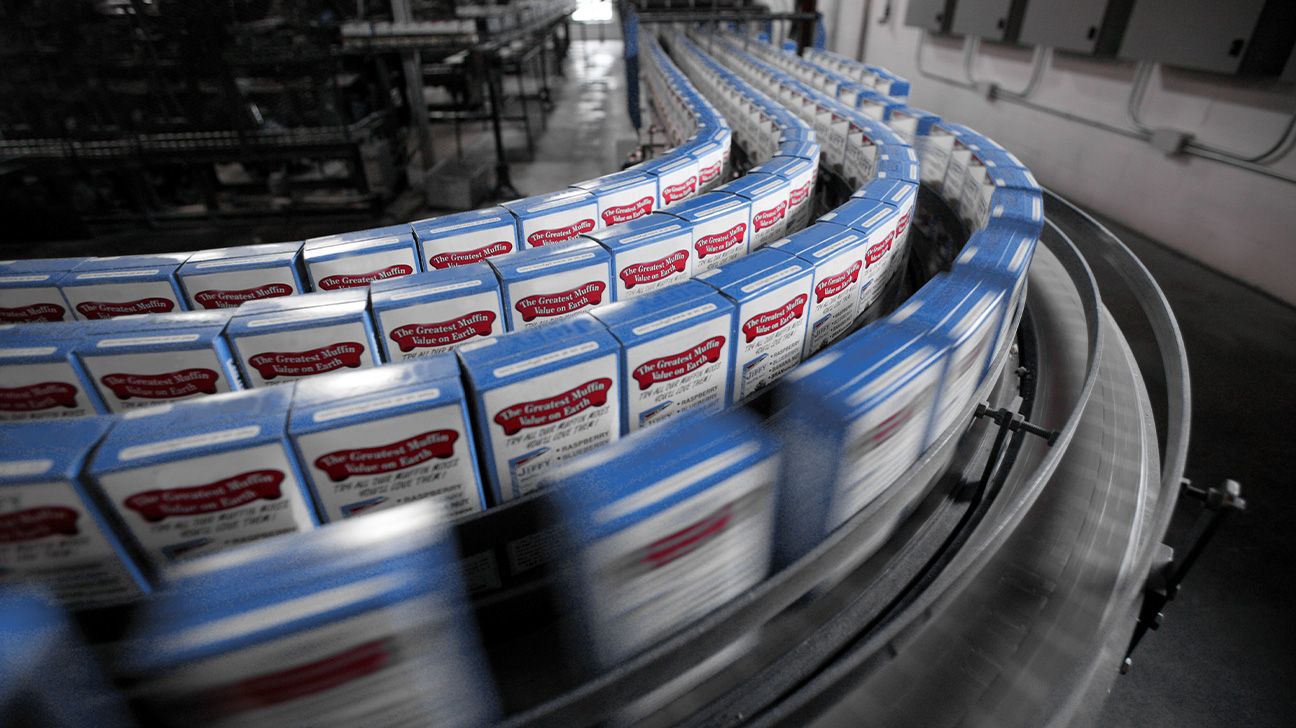
The manufacturing processes used to produce ultra-processed foods are linked to negative impacts on human health. Image Credit: Andy Sacks/Getty Images. A recent study has found that it may not just be what’s in ultra-processed foods that makes them unhealthy, but how they’re made. The study noted that factors such as changes in the food’s cellular structure, loss of beneficial chemical compounds, and additives and chemicals in packaging may all pose health risks. This adds to previous research that shows that ultra-processed foods can negatively affect health. Public concern over the effects of ultra-processed foods has been growing. Research has increasingly associated these foods with a higher risk of conditions like heart disease, diabetes, obesity, and even early death. Despite these concerns, ultra-processed foods make up around 55% of the American diet. “UPFs [ultra-processed foods] do offer some advantages, but at the expense of the consumer’s health. They are convenient, affordable, have a long shelf life, and are often engineered to be highly palatable, which contributes to their widespread consumption,” said Mir Ali, MD, medical director of MemorialCare Surgical Weight Loss Center at Orange Coast Medical Center in Fountain Valley, CA. Ali was not involved in the study. “Because of these factors, UPFs are extremely prevalent in the modern diet. While many people are generally aware that these foods are not optimal for health, convenience and taste often drive decision making,” he told Healthline. Experts are also still looking into exactly what drives the risks from ultra-processed foods. They are debating whether it is the nutritional quality of the foods, as they are often high in sodium, added sugars, and refined grains, or if it is the industrial processing and additives used to make them. A recent study published in the American Journal of Public Health (AJPH) suggests that processing may actually play an independent role in the health risks posed by u