The time is now: the Senate must act on crypto market structure legislation
Key takeaways
- The time is now: the Senate must act on crypto market structure legislation The United States needs to finally establish a clear framework that the market needs.
- That outcome sharpens the task before the Senate Banking Committee: applying a clear framework to the broader digital asset market.
- The GENIUS Act addressed payment stablecoins.
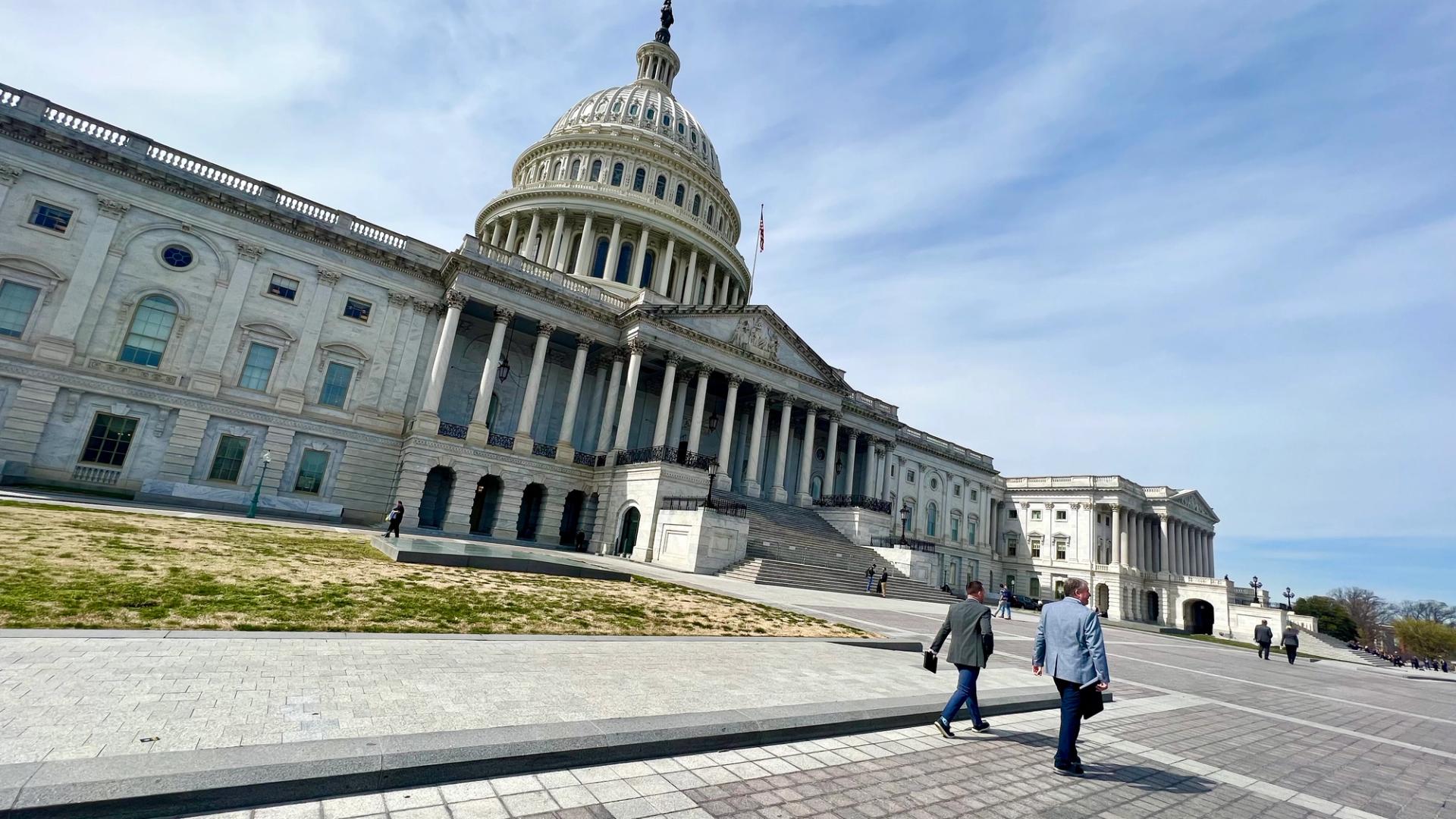
The time is now: the Senate must act on crypto market structure legislation The United States needs to finally establish a clear framework that the market needs. By Summer Mersinger, Ji Hun Kim|Edited by Betsy Farber Updated May 6, 2026, 5:26 p.m. Published May 6, 2026, 5:25 p.m. 3 min read Make preferred on (Jesse Hamilton/Coin Desk)Nine months ago, Congress passed the GENIUS Act, establishing the first federal regulatory framework for payment stablecoins. The results have been demonstrative: the stablecoin market grew 49% in 2025, reaching $306 billion by year's end. Circle, Ripple and other digital asset companies received provisional national banking charters from the OCC. Institutional capital that had been sitting on the sidelines moved into these markets. Recruiters, who a year earlier described an industry in which "every protocol foundation was bailing to the Caymans [tradingview.com]," now report that 90% of senior crypto leadership searches are U.S.-based. Clear rules produced exactly what their advocates said they would: investment, institutional engagement and onshoring of activity that had been migrating elsewhere.
That outcome sharpens the task before the Senate Banking Committee: applying a clear framework to the broader digital asset market. The crypto market is currently worth $3.2 trillion. Nearly 70 million Americans, one in five, own crypto. This is a significant and growing market.
The GENIUS Act addressed payment stablecoins. The CLARITY Act sets the rules for everything else: registration and oversight of trading venues and intermediaries, jurisdictional lines between the SEC and CFTC, disclosure and compliance across the token lifecycle, and the protection of non-custodial technologies under U.S. law.