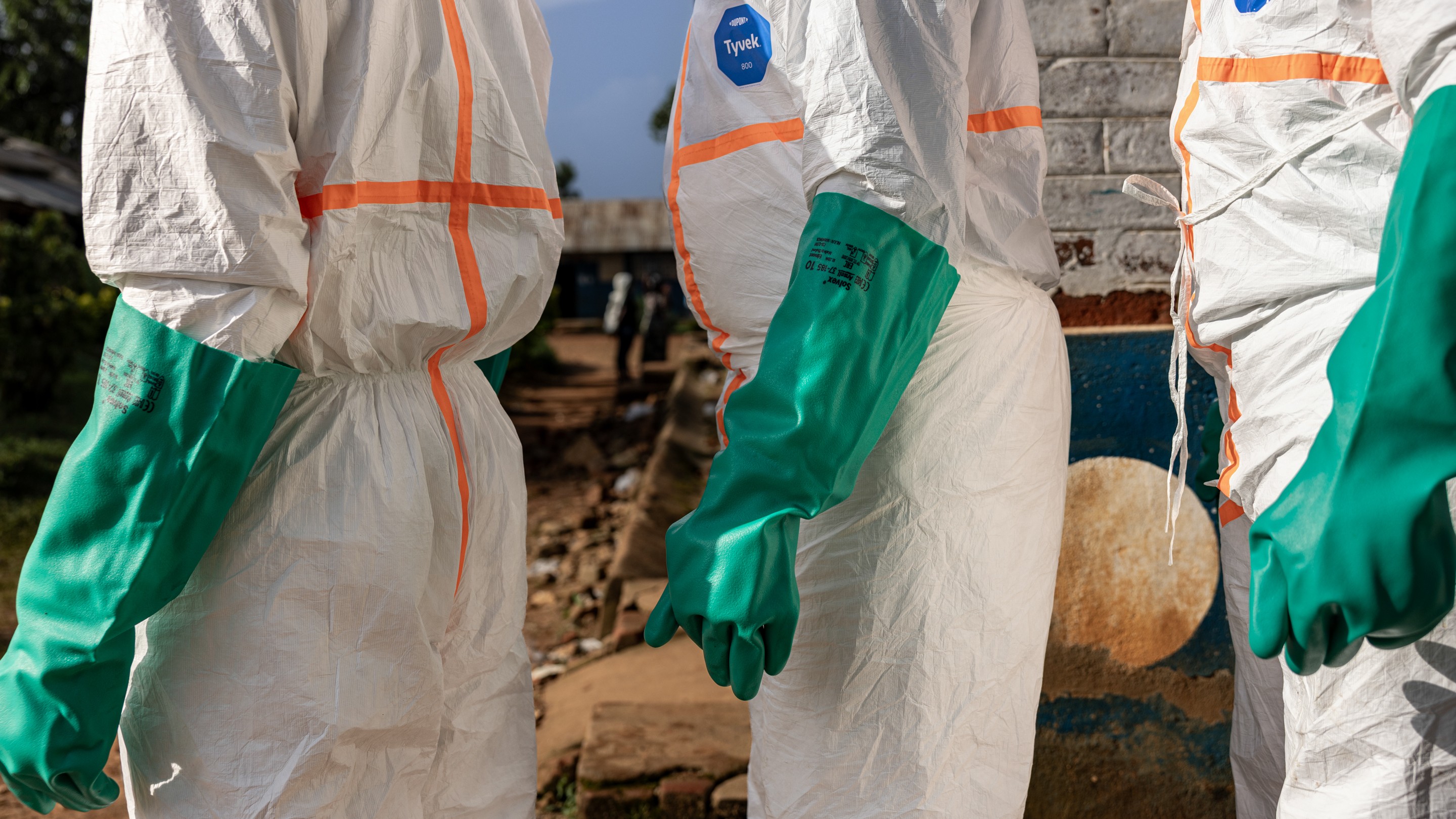
How to Contain the Ebola Outbreak
Two deadly outbreaks that could threaten Americans are unfolding simultaneously—Ebola in one part of the world, hantavirus in another—with mortality rates of 25 to 50 percent and 38 percent, respectively, and no approved vaccines or treatments for either. For now, what are most alarming are not the outbreaks themselves but the slow and uncoordinated responses by the institutions that Americans rely on to keep them safe, including the U.S. government and the World Health Organization. If the world cannot properly handle known threats that it has contained before, then it is dangerously unprepared for the next novel one.The fact that these outbreaks started is not a surprise. During the Biden administration, when we helped manage such crises as National Security Council staff, we responded to 12 outbreaks in Africa of Ebola or a related virus called Marburg. Between 10,000 and 100,000 hantavirus cases occur worldwide every year, some of them in the United States. Americans are largely unaware of these threats precisely because when the system works, they are contained quickly.What has changed is the collective failure to detect and contain these threats before they spread across borders and became public-health emergencies. As we wrote last year, the Trump administration has systematically dismantled the infrastructure that made quick containment possible: the early-warning systems, the trained response teams, the bilateral and multilateral partnerships, the funding streams, and the White House teams that oversaw outbreak responses. The destruction of that system appears to have contributed to the delayed detection of these outbreaks, and it risks hampering the world’s response. We are already playing from behind.In the case of the hantavirus outbreak, nearly a month passed from when the first passenger aboard the affected cruise ship became sick, in April, to when the WHO confirmed the outbreak. Two dozen passengers left the ship and traveled home in the intervening