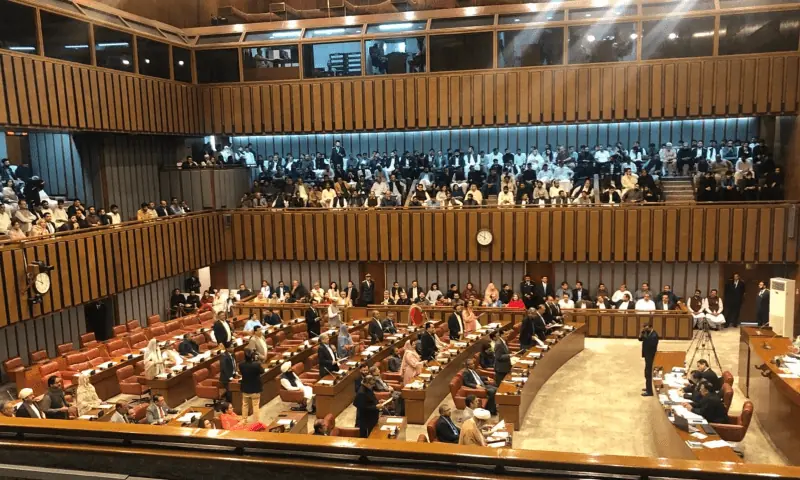
Senate returns Rs1.43bn to exchequer, beats austerity target by 500pc
Why this matters: local context for readers following news across Pakistan and the region.
ISLAMABAD: The Senate has surrendered Rs1.436 billion to the national exchequer after a year-long austerity drive, exceeding the Finance Division’s target by 500 per cent and setting what officials called a new benchmark for fiscal discipline. The amount makes up 15.9pc of the upper house’s total budget for 2025-26, according to a statement issued by the Senate Secretariat on Monday. Senate Chairman Syed Yousaf Raza Gilani ordered the expenditure rationalisation programme within his own office before extending it across the secretariat. Gilani said the Rs1.436bn represented “actual, realised savings” and not projected cuts or deferred liabilities. Among the measures, the Senate suspended 17 of the 18 procurement projects approved by its finance committee. Recruitment and non-essential spending were rationalised, while administrative overheads and operational costs were placed under “strict scrutiny”. The official transport fleet was “substantially grounded”, fuel allocations were capped and monitored, and refreshments at meetings were discontinued. Committee proceedings were shifted to digital and virtual platforms to cut logistics costs and all non-essential foreign visits were suspended. Despite an allocation of Rs60m for new vehicles this year, “not a single vehicle was procured”, the statement said. Additionally, on the chairman’s proposal, the Senate Finance Committee decided to forgo the allocation for the replacement of condemned official vehicles in the next fiscal year, a move expected to save a further Rs140m. “Public office is a sacred fiduciary trust,” Gilani was quoted as saying. He added that the austerity drive was not a one-time exercise but part of a continuing commitment to “responsible governance and fiscal prudence”. “Every rupee saved is a rupee returned to the people of Pakistan, in whose trust public resources are held,” the chairman said. By placing the figures on public record, the Senate said it aimed to promote confidence in state institut