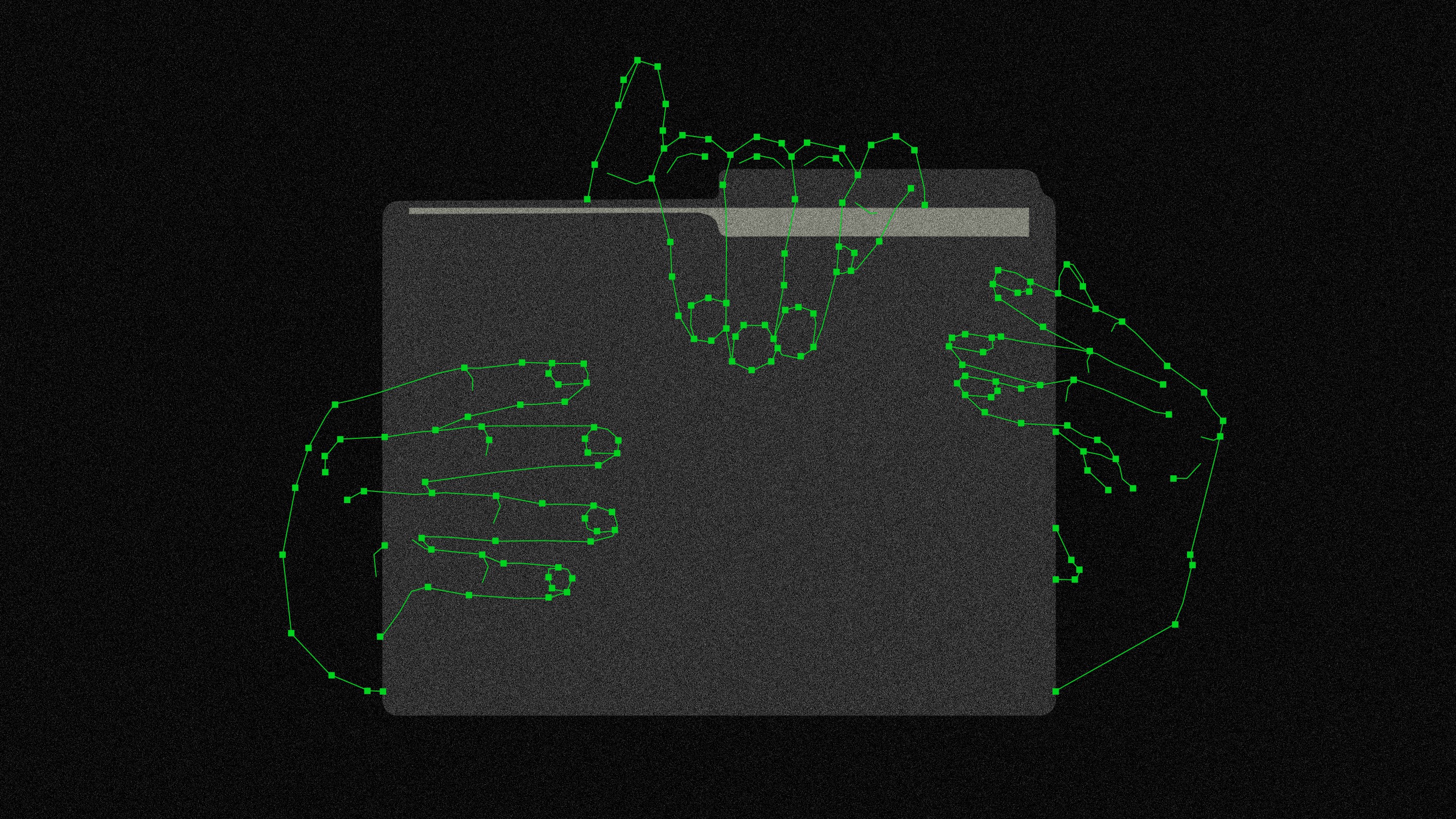
Nothing on the Internet Is Secure Anymore
Late last month, I began to consider withdrawing some money from my savings account to buy gold. It’s the first time I’ve ever thought about panic-buying. For all of the firewalls and two-factor-authentication codes, the safety of the internet is starting to falter. Hackers are gaining the upper hand over organizations around the world—hospitals, energy grids, government agencies, and, yes, banks.As AI tools have become extremely good at writing code, they’ve also become extremely good at pulling off cyberattacks. (Malware, after all, is still software.) The result has been a change in the scale, speed, and sophistication of hacks that is difficult to overstate: Among its tens of thousands of clients, the cybersecurity firm Palo Alto Networks identified a fourfold increase in daily attacks from 2024 to 2025. Hackers are developing AI-enhanced computer viruses that adapt on the fly to avoid detection. They are automating cyber-espionage campaigns on foreign governments. They are stealing data in minutes instead of hours. “There’s a crazy amount of offensive activity happening right now,” Alex Stamos, a former chief security officer of Yahoo and Facebook, told me. “Companies are getting hacked every single day.”If the NSA is perturbed by the rise in cyberattacks, which it apparently is, then surely my savings are vulnerable. There could be any number of weaknesses in my bank’s IT systems to directly hack. Or perhaps an AI-written phishing email targeted at an employee, personalized to sound like a family member or manager, could let hackers into the back end to empty my coffers. Even if the bank has great cybersecurity, an attack on another business—a medical clinic I visited, a car-rental company, a newsletter subscription—could steal my payment information and, potentially, much more. The attack angles are seemingly infinite. And no one is adequately prepared.The term software engineering has always been an insult to the level of rigor demanded of mechanical, civic,