What I Learned From My Dog
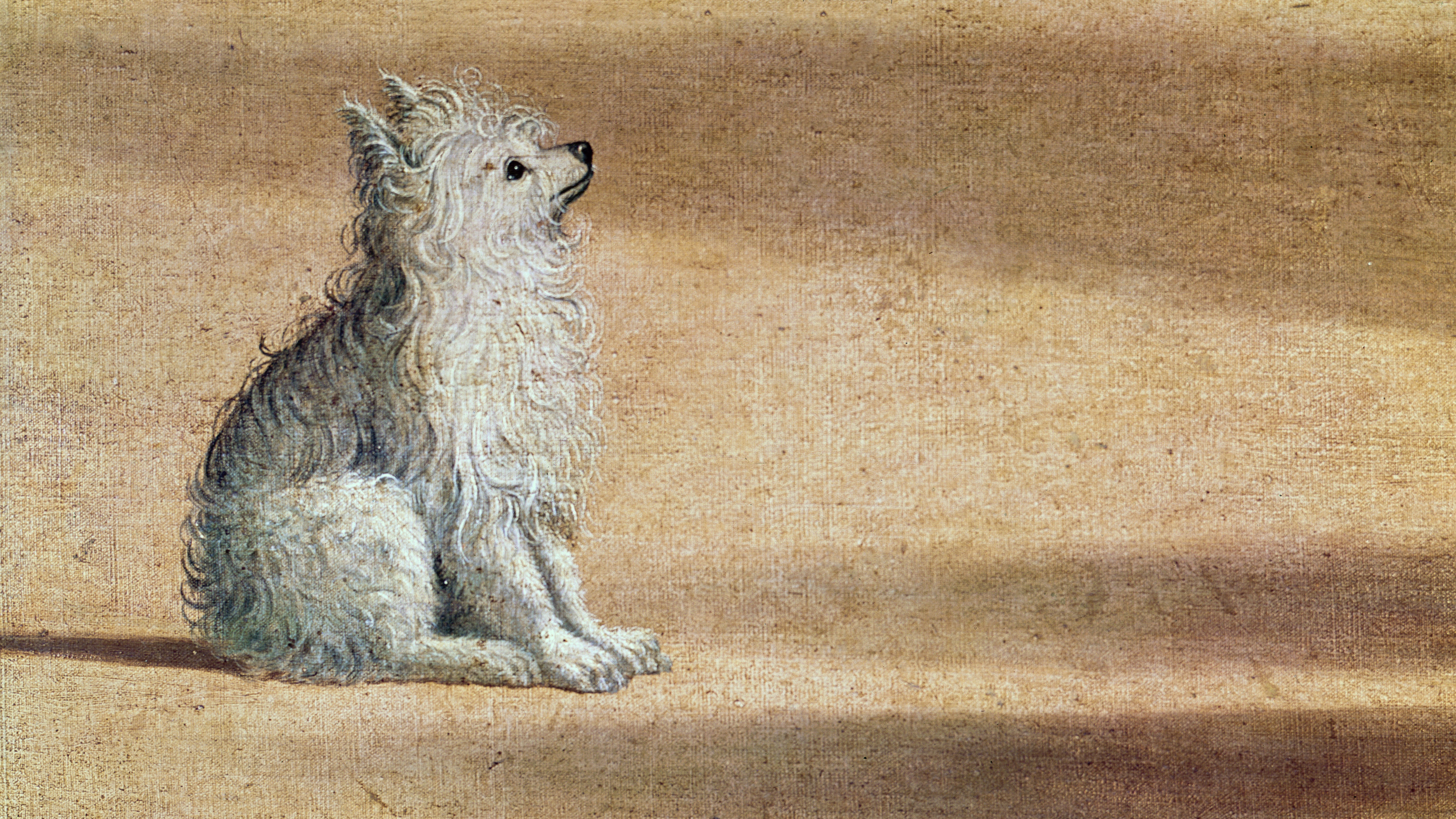
This is an edition of the Books Briefing, our editors’ weekly guide to the best in books. Sign up for it here.Humans used to spend a lot of time thinking about what separated us from animals. René Descartes, who wrote, “I think, therefore I am,” practiced vivisection on rabbits and dogs because he thought that they lacked consciousness. Then Charles Darwin argued convincingly that humans are indeed animals—and now, in the time of AI, we tend to think a lot more about what separates us from machines. I certainly have been, especially after reading Michael Pollan’s recent book on consciousness, A World Appears, and seeing his ideas reverberate in the Atlantic staff writer Judith Shulevitz’s article this week about the depiction of dogs in art.First, here are five stories from The Atlantic’s Books section: How to save marriage The art of the joyful tearjerker The plight of the radical’s children What to read to really understand music “Memories of Green,” a poem by Adam Harris Shulevitz begins her essay, about Thomas W. Laqueur’s new book, The Dog’s Gaze: A Visual History, by describing a sensation familiar to most dog owners (and to me as I write this and my terrier gazes up from under my desk): that we are being stared at. “People speak with their eyes all the time,” Shulevitz writes, “but every so often I’d be struck with wonder that a consciousness as radically different from mine” as a dog’s “could communicate so effectively.” Laqueur’s book dwells on the way that canines often function in art—as seers of things that people miss. In Giovanni Battista Tiepolo’s The Finding of Moses, a dog spies a young girl whose presence unlocks the painting’s meaning. In Francisco de Goya’s Blind Beggar With Dog, a man has his eyes closed, “but the dog’s eyes are open and piercing,” Shulevitz writes, “providing a center of consciousness and a conscience.”In Pollan’s exploration of consciousness, which he frames as our most vexing scientific conundrum, animals feature mostly in a