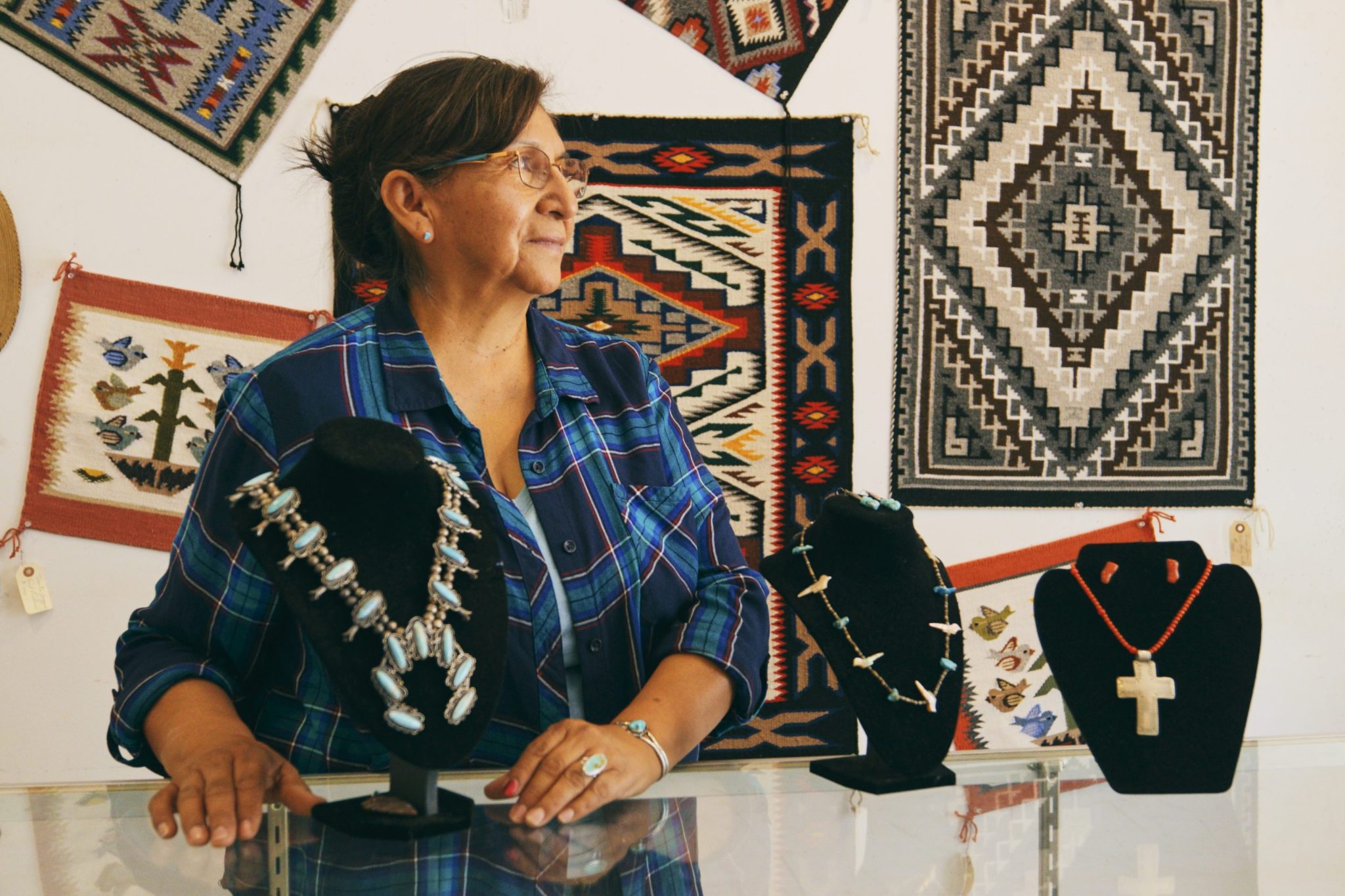
Native American businesses have diversified beyond casinos to become a rural economic force. Trump is cutting off a lifeline that goes beyond tribes
Near Thackerville, Oklahoma, a town on the Texas border with fewer than 500 residents, what started as a small roadside bingo hall has spent the past 20 years growing into one of the planet’s largest gambling destinations. The Win Star World Casino, fully owned and operated by the Chickasaw Nation, is now the cornerstone of Oklahoma’s $10 billion gaming industry, one of the state’s biggest employers and economic engines. Oklahoma has some 130 casinos owned by Native American nations, but the economic impact of tribal governments spreads far beyond gaming. While WinStar and related entertainment ventures remain the largest single source of revenue for the Chickasaw Nation, the tribe owns more than 100 businesses ranging from banks to manufacturers. In 2023, Oklahoma’s 38 federally recognized tribes owned businesses that generated more than $23 billion in economic activity for the state, supporting 140,000 jobs and nearly $8 billion in wages and benefits, according to an impact report published last year by researchers at Oklahoma City University and commissioned by tribal groups. Oklahoma is far from an outlier. Tribally owned businesses operate across the U.S., active in everything from construction to healthcare and financial services. Particularly in rural areas, where opportunities for jobs and businesses can be scarce, tribal enterprises can act as a primary engine of economic growth. And because businesses are owned by tribal governments, large shares of revenue are often funnelled directly into public services, making tribal businesses a critical funding source for local infrastructure and healthcare programs. “Some of these tribes, they’re in very remote areas, and the only economic driver for that community may be a business owned by the actual tribe,” Chris James, president of the National Center for American Indian Enterprise Development, told Fortune. “That’s their only bread and butter.” But over the past year, tribal business models have become pre