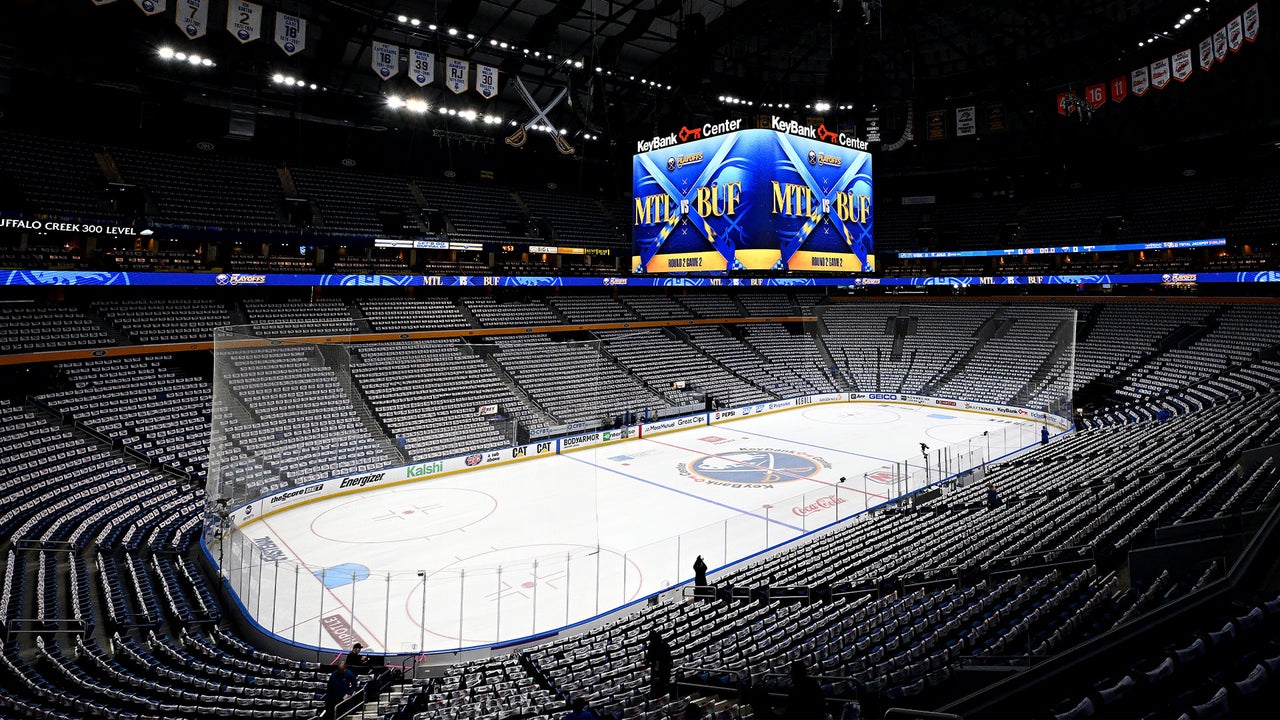
The NHL has a costly ice problem — and AI is about to take over arenas to fix it
Energy costs are increasing, and while it may cost a lot more than before to heat or cool a home, they’re basically peanuts compared to operating a hockey arena. That’s why the National Hockey League is bringing in a building automation heavyweight to help. This week, the NHL announced a new partnership with Honeywell aimed at increasing the efficiency of hockey facilities around the country in an attempt to lower operating costs. The multi-year partnership makes Honeywell—a massive company that provides products and services to many different industries—the “Official Building Automation and Energy Management Partner of the NHL.” The primary issue the partnership seeks to address is a lack of energy efficiency in NHL arenas, practice facilities, and community rinks across the U.S. and Canada, and as such, Honeywell will analyze, address, and then provide AI-enabled automation technologies to lower power consumption and help with climate control. Ice is a difficult thing to manage, particularly in buildings that are also hosting tens of thousands of people for basketball games, concerts, and other events—Honeywell’s tech, hopefully, will help make it easier to control costs related to energy usage. “We keep pumping more technology into our buildings, it’s getting more complex in there, we’re using more energy, and having Honeywell help us be more efficient is hugely important,” David Lehanski, SVP of business development and innovation at the NHL, tells Fast Company. Developing automation plans at NHL arenas The cost increases are no joke, either. Greg Turner, chief solutions officer at Honeywell’s Building Automation unit, says that arenas and hockey rinks are facing 11-17% increases in energy costs, and that makes it “pretty hard to sustain.” But Turner also notes that increasing sustainability measures and lowering costs across a spectrum of different facilities isn’t necessarily something that can be solved by “writing a giant check.” Instead, it requires on-the-