What AI Will Do to Art
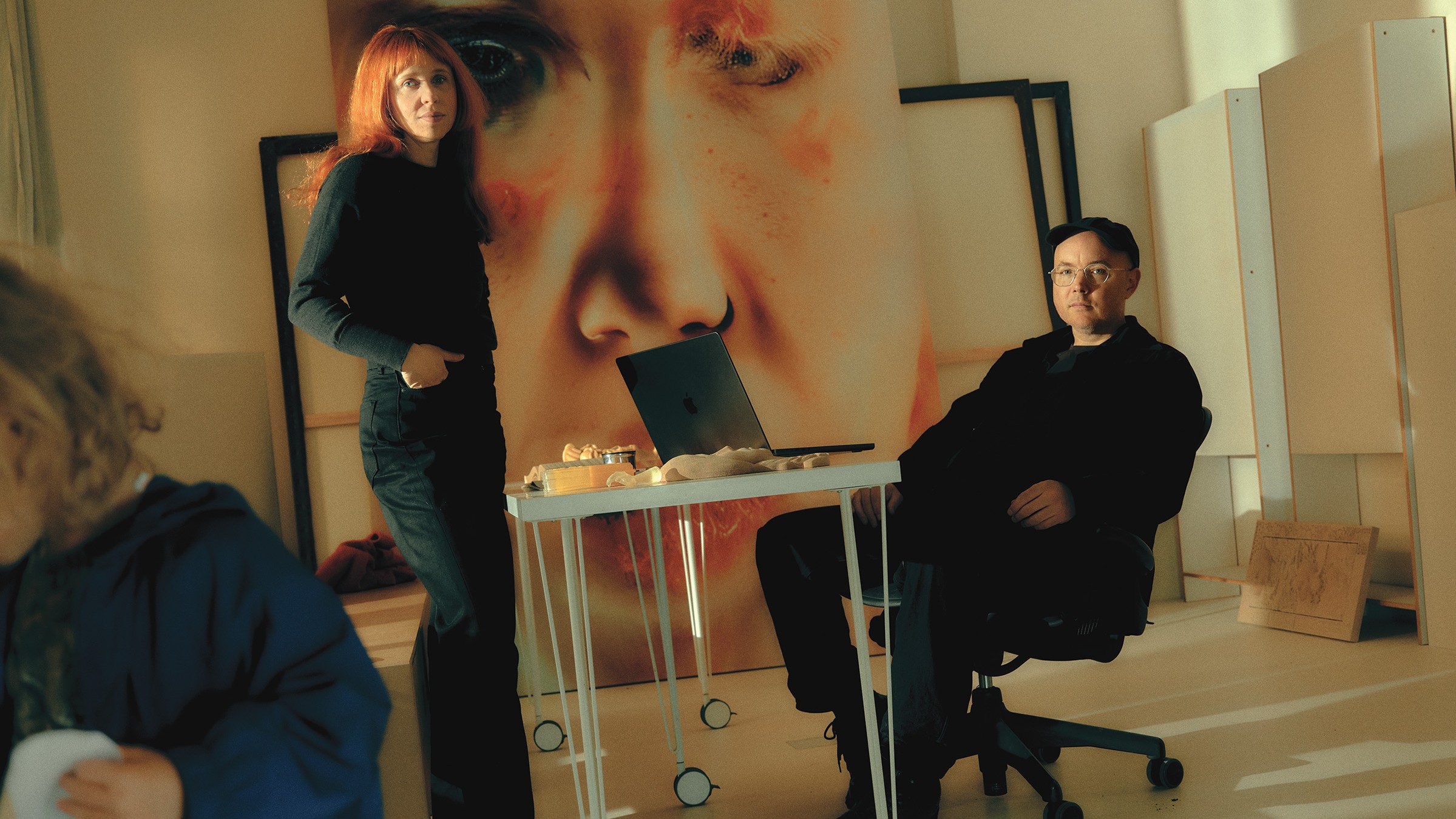
Photographs by Mattia Balsamini. The art was way too heavy.In mid-March, the artists Holly Herndon and Mat Dryhurst were preparing an installation to coincide with the Venice Biennale, the prestigious international art festival, but the execution was becoming tricky. They wanted to suspend sculptures of a trippy cityscape upside down from the ceiling of an 18th-century palazzo. But the construction material they envisioned—3-D-printed sand—would weigh tons, which was more than the antique building could bear. The sculptures, they realized, might fall and crush someone.This was a rather analog problem for a married couple widely seen as technological prophets. Herndon, 46, and Dryhurst, 41, have reached the upper echelons of the art world thanks to a media-spanning output—music, images, software, and reams of commentary—with a cybernetic bent. They are high culture’s most influential exponents of artificial intelligence, an invention that many people believe spells doom for the arts but that they think could lead to a renaissance.I met them on a cold, bright Tuesday in Berlin. Their studio resembled a co-working space, with one long table standing in a sparse room. Herndon sat dwarfed by an AI-generated portrait of herself, in which her red hair and light-blue eyes appeared to drift across her face like leaves in a pond. Dryhurst—bald, with round glasses—fiddled with a vape. They greeted me cheerfully but warned that they were scrambling to rethink their plans for the show, just seven weeks away. Working in Venice, Herndon said with a trace of twang from her native Tennessee, “is way harder to do, because everything’s on boats.”Mattia Balsamini for The AtlanticHerndon and Dryhurst with their son in their Berlin studioAs we walked around their shabbily idyllic neighborhood—day cares kissed by graffiti, gleaming malls near World War II ruins—they described their backup idea: not an upside-down city but an “upside-down parliament,” comprising rows of benches on the groun