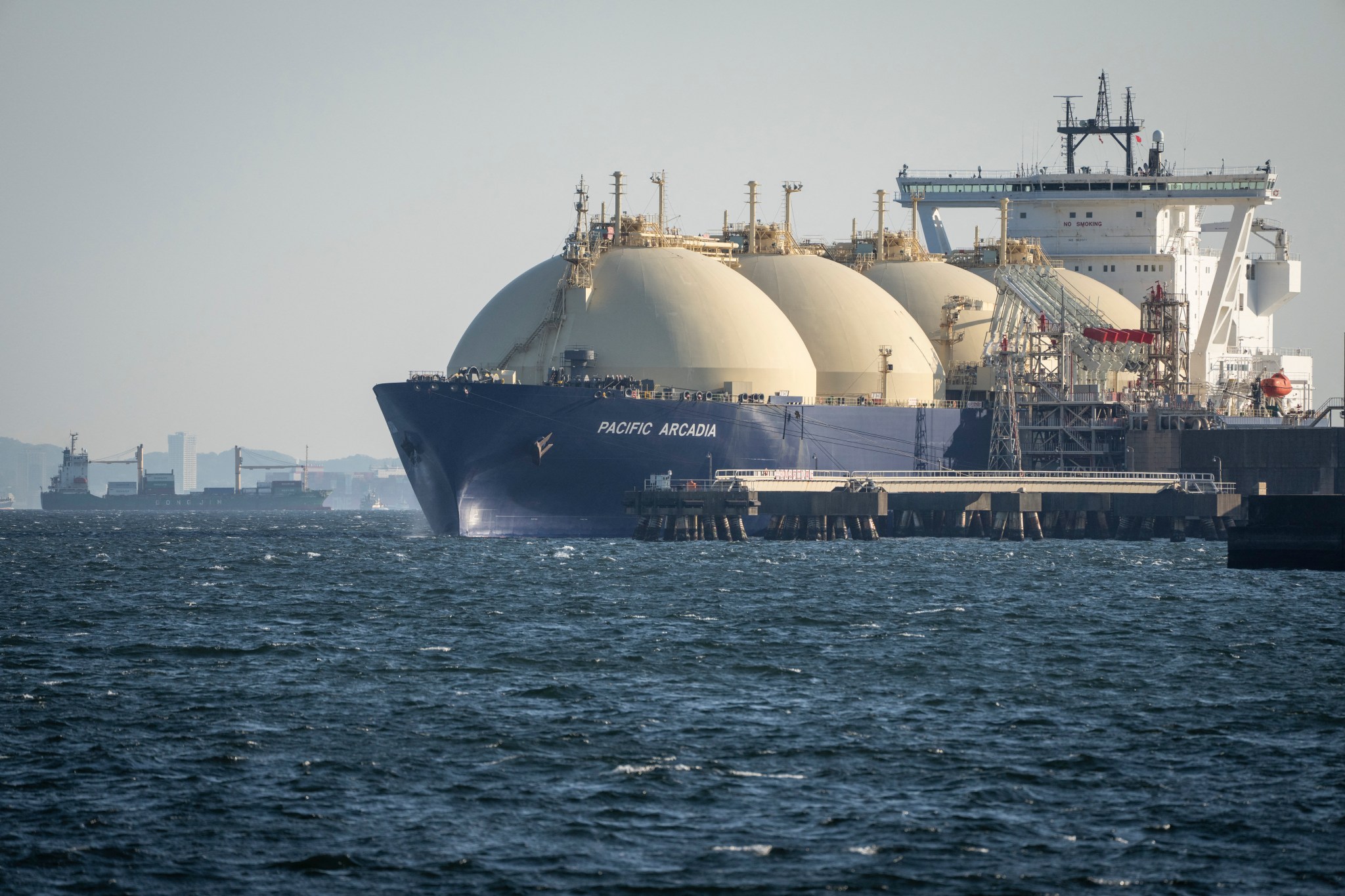
A second wave of Iran energy shocks is about to hit Asia and the wider world. Why aren’t markets reacting?
Global oil inventories are approaching their lowest point in eight years, with Goldman Sachs analysts estimating that stocks could fall to 98 days of global demand by the end of May. Yet if you’re looking at the markets, things look relatively rosy. Brent crude prices are hovering around $100 a barrel, down from a post-Iran war peak of $126 in April. West Texas Intermediate crude also stood around $100 a barrel in the past week, down from its April 7 high of $113. (Both benchmarks are still far above their pre-war levels). “The market has been complacent,” Chen Chien-Ming, an associate professor of operations management at Singapore’s Nanyang Technological University (NTU), says. “There’s clearly an oil shortage, but the futures market is heavily suppressed by market-moving headlines and investors’ wishful thinking that the war will soon end.” Experts and analysts estimate that oil prices could skyrocket past $150 a barrel if the Strait of Hormuz remains closed through the end of June. Chen estimates that 20 million barrels of oil passed through the pre-war Strait of Hormuz each day; with the Strait closed for close to 70 days, the deficit now runs to more than 1 billion barrels. Asia, with its deep reliance on fuel from the Middle East, is especially at risk. “Asia is the most exposed, because most countries, aside from Malaysia and Indonesia, are big oil importers,” says Dutt Pushan, a professor of economics and political science at business school INSEAD. “They’re also heavily industrialized, so they need a lot of natural gas and electricity.” A prolonged disruption could tip some of the region’s weaker economies into recession, while also driving up food and fuel prices for hundreds of millions of people. Financial markets versus physical reality Global oil inventories were in “relatively strong shape” heading into the Iran conflict, JPMorgan analysts wrote in an April 30 note. That buffer has worked as a “shock absorber,” moderating the increase in global