Inflation squeezing Safed Posh the most in Pakistan
Why this matters: local context for readers following news across Pakistan and the region.
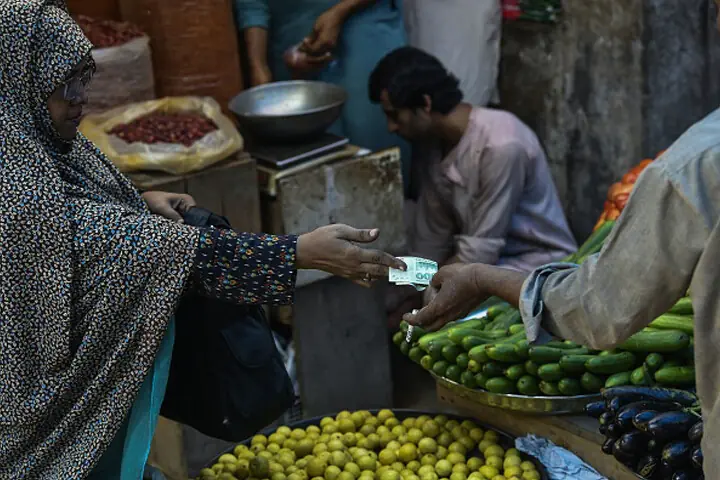
KARACHI: Saima works as a maid in a posh locality in Karachi. She lives in Hijrat Colony. “I used to buy a 1kg gas cylinder for Rs280, now it costs Rs450,” she laments. All her essential expenses have surged. The gallon of salty water she uses for cleaning has gone from Rs20 to Rs70, while a gallon of drinking water now costs Rs120 instead of Rs50. “They tell me it’s because of higher petrol prices increasing transport costs, but petrol prices have not increased by the same proportion as daily essentials,” she says, puzzled. Even small treats are now unaffordable. “I used to buy two Rs20 chip packets for each child, but now one packet is Rs50. I can only afford one, so each child gets fewer chips,” she says. For Pakistan’s lowest-income households, record fuel prices have translated into an inflationary shock. Yet while the poorest households are under immense strain, Pakistan’s deep culture of philanthropy and informal support still offers some cushion in urban centres. Earning too much to qualify for assistance, but too little to survive surging prices, white-collar families are slipping through the cracks of a historic cost-of-living crisis Roughly 73 per cent of Pakistanis donated money for various social causes in 2024, according to the Pakistan Centre for Philanthropy’s (PCP) Giving in Pakistan report 2025. The greater blind spot may instead be the country’s increasingly squeezed Safed Posh, the salaried middle-class. A philanthropy cushion Pakistan receives roughly $40 billion in remittances annually. Accounting for zakat alone, nearly $1bn may circulate informally among lower-income households, said Syed Hasan Ali, country director of the i-Care Foundation. Faisal Edhi, chairman of the Edhi Foundation, noted the lowest-income group sits idle for 15 to 18 hours without water, gas or electricity. Yet despite Ramazan donations dropping 20pc, the organisation’s services continue without serious strain. The Layton Rahmatulla Benevolent Trust, which treats around