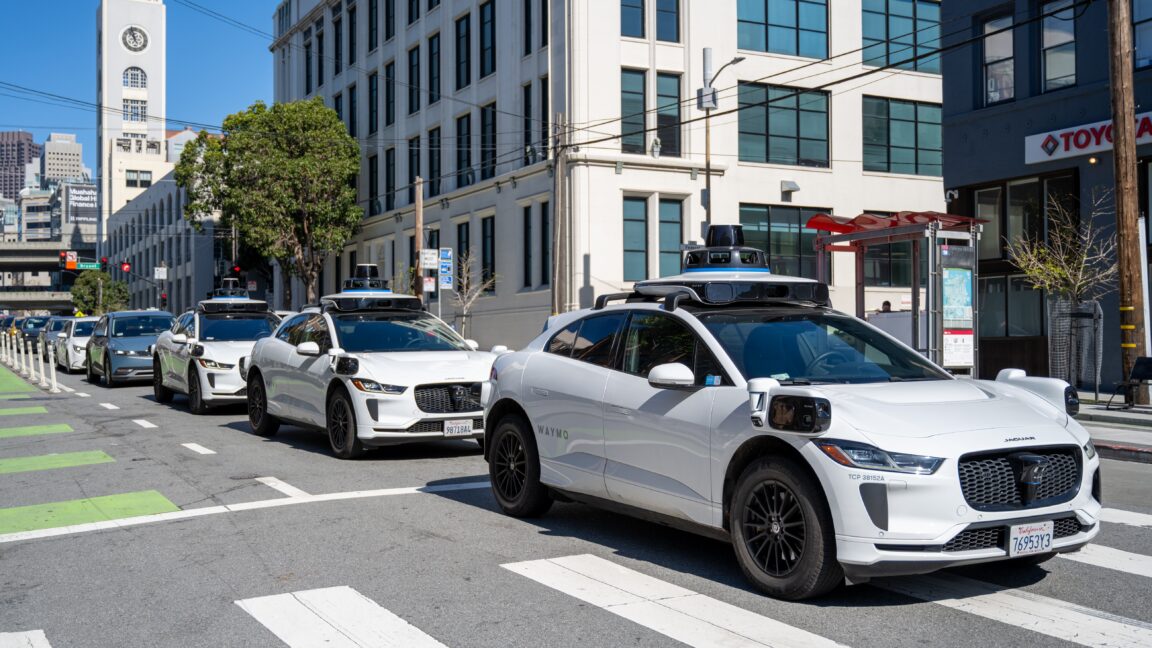
Autonomous vehicles were supposed to cut traffic—what if they don't?
The age of robotaxis, long the preserve of science fiction, is now a reality, at least in a handful of American cities. It took just over a decade to get from the DARPA Grand Challenges to the start of Waymo's commercial service in California, albeit initially with a safety driver on board. Proponents of the technology, which has attracted at least $100 billion in investment, say robotaxis will be safer than human-driven vehicles. And last year, Waymo's data showed its cars were involved in many fewer crashes than human drivers, with much lower insurance claims, although recent issues with school buses and flooded roads show the technology isn't perfect. But safety isn't the only selling point: Autonomous vehicles are said to cut traffic. But data from Waymo's reports to the California Public Utilities Commission shows that, at least in that regard, robotaxis are no better than ride-hailing services like Lyft and Uber.Read full article Comments