Breathe Pakistan: SBP official says over $550m needed for ‘very ambitious plan’ to reduce emissions by 50pc
Why this matters: local context for readers following news across Pakistan and the region.
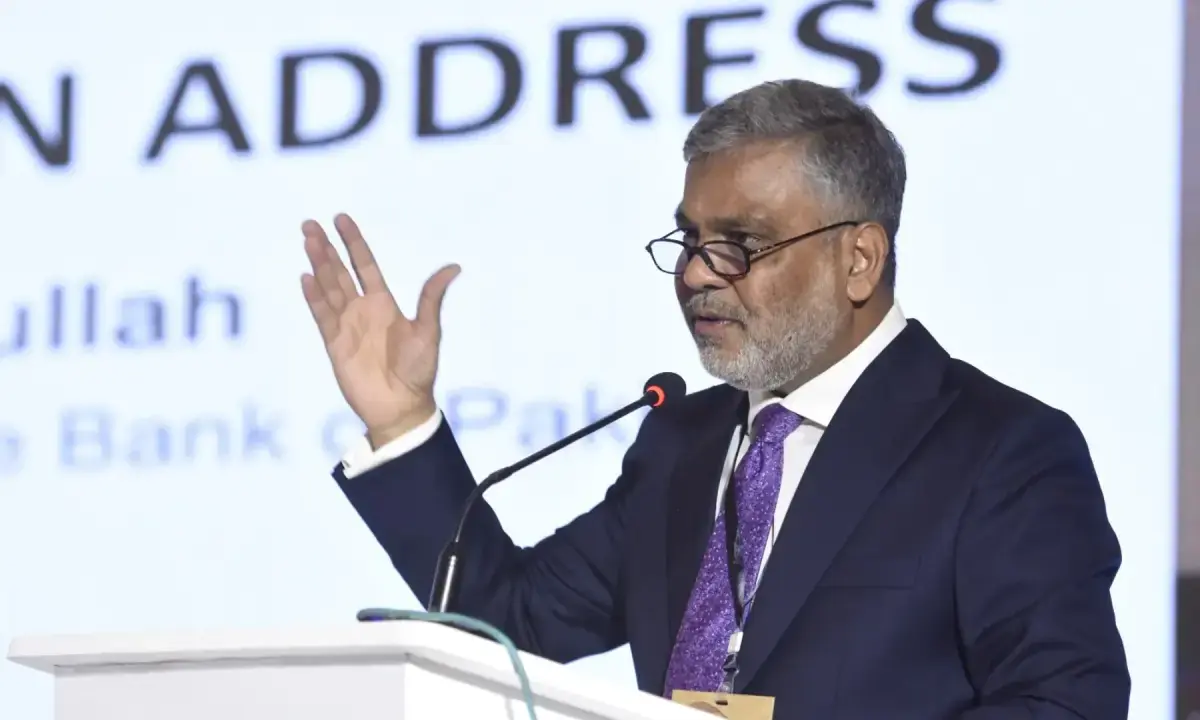
The second edition of The Breathe Pakistan International Climate Change Conference, organised by Dawn Media, is currently underway in Islamabad. Despite contributing minimally to global emissions, Pakistan remains among the most climate-vulnerable nations, underscoring the critical need for coordinated, locally grounded, and globally informed responses. The two-day conference brings together policymakers, experts, and stakeholders from across sectors to examine intersecting challenges and chart a path forward. The first edition of Breathe Pakistan sparked national dialogue and global collaboration around vital climate challenges — from climate justice and finance to renewable energy transitions, disaster risk reduction, and inclusive public-private partnerships. View the full agenda here. 11:42am — World Bank official explains climate financing Adeel Abbas, senior climate change specialist (Regional Climate Lead) at World Bank Group, presented global statistics on climate financing. He noted that combatting climate change was a collective responsibility, stressing the need to bridge the “huge financing gap”. Explaining what climate financing comprises, Abbas noted the “innovative instrument” of using revenues from carbon finance. “While we say $6.3bn are required for climate, we know that there are more than $28 trillion invested last year in long-term structure financing. So those resources are there in the global economy,” he noted. 11:30am — Over $550m needed for ‘very ambitious plan’ to reduce emissions by 50pc: SBP official State Bank of Pakistan Deputy Governor Saleemullah addressing the conference. — White Star/Tanveer Shahzad SBP’s Saleemullah highlighted that heatwaves in Pakistan were intensifying, with temperatures above 50°C no longer being a rare event. He noted that while the losses from the 2025 floods remained “relatively contained”, they displaced millions and caused great disturbance and losses. He noted that Pakistan’s aim to reduce its greenhouse