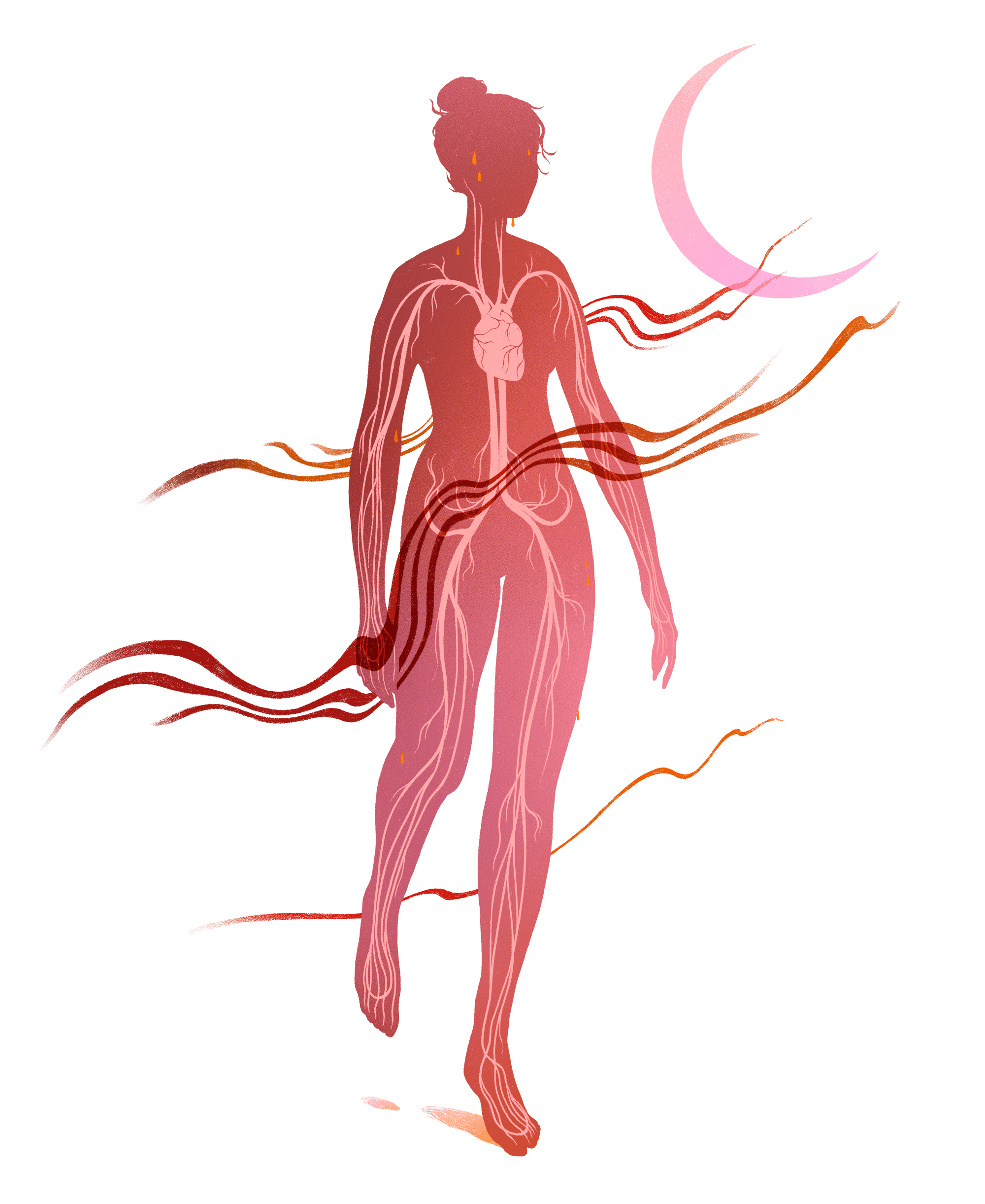
How climate change gets under the skin
Why this matters: environmental and climate reporting with long-term consequences.
How Climate Change Gets Under the Skin Gets Under the Skin A warming world is putting pressure on every system in your body. Heat waves, wildfire smoke, infectious diseases, and other health threats amplified by climate change are jeopardizing decades of public health gains. As temperatures rise, experts warn that everyone is at risk. By Zoya Teirstein Illustrations by Samantha Mash Jun 26, 2026 This story is part of the Grist series Vital Signs, exploring the ways climate change affects your health. This reporting initiative is made possible thanks to support from the Wellcome Trust. Doctors agree: Climate change is a hazard to your health. Leading medical journals warn that rising greenhouse gas emissions will result in millions of needless deaths and undermine decades of hard-won progress in public health. Some of these risks are obvious. The immediate effects of extreme heat and wildfire smoke on the lungs and heart are easy to recognize — and particularly dangerous for those who are already immunocompromised or in poor health. Heat-related mortality has been rising since the 1990s, and wildfire smoke is now linked to tens of thousands of illnesses and deaths every year. But researchers are beginning to unearth clues about how repeat, overlapping climate stressors, from flood-related mold to warming water temperatures to higher pollen counts, affect everyone — even society’s healthiest members. No one is immune. Here’s what we know, so far, about the lasting effects of climate change on the body’s vital systems. Cardiovascular System Extreme heat widens blood vessels, flushes fluid out of the bloodstream, and forces the heart to pump two to four times as much blood per minute to cool the body. The result is dehydration, heat’s unfailing sidekick, which thickens the blood and makes it harder to pump. In the short term, extreme temperatures can lead to heatstroke — when the body’s internal cooling systems can’t keep up and core body temperature ri