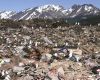
Ushuaia landfill scrutinized in cruise ship hantavirus outbreak probe
Key takeaways
- Health teams are searching the site for traces of infected rodents.
- Several of the roughly 150 tourists who set sail for Cape Verde on 1 April had visited the landfill, including the Dutch couple, aged 69 and 70, who were the first to present symptoms at sea.
- The World Health Organization reports eight suspected cases linked to the cruise, five laboratory-confirmed, and three deaths.
Why this matters: an international story with cross-border implications worth tracking.
Seven kilometers from downtown Ushuaia, the municipal landfill serving Argentina's southernmost city has become one of the focal points of the epidemiological investigation into the hantavirus outbreak aboard the MV Hondius cruise ship. Health teams are searching the site for traces of infected rodents. The landfill is frequented by birdwatchers from around the world, drawn by species such as the white-throated caracara, a scavenger bird endemic to the region.
Several of the roughly 150 tourists who set sail for Cape Verde on 1 April had visited the landfill, including the Dutch couple, aged 69 and 70, who were the first to present symptoms at sea. The pair had spent four months traveling overland through Argentina, Chile and Uruguay before boarding. Symptoms appeared within days of departure, placing the likely point of infection on land within the incubation window, which can extend up to three weeks.
The World Health Organization reports eight suspected cases linked to the cruise, five laboratory-confirmed, and three deaths. Only one of the fatalities has been confirmed as caused by the Andes virus, the sole hantavirus strain capable of human-to-human transmission.