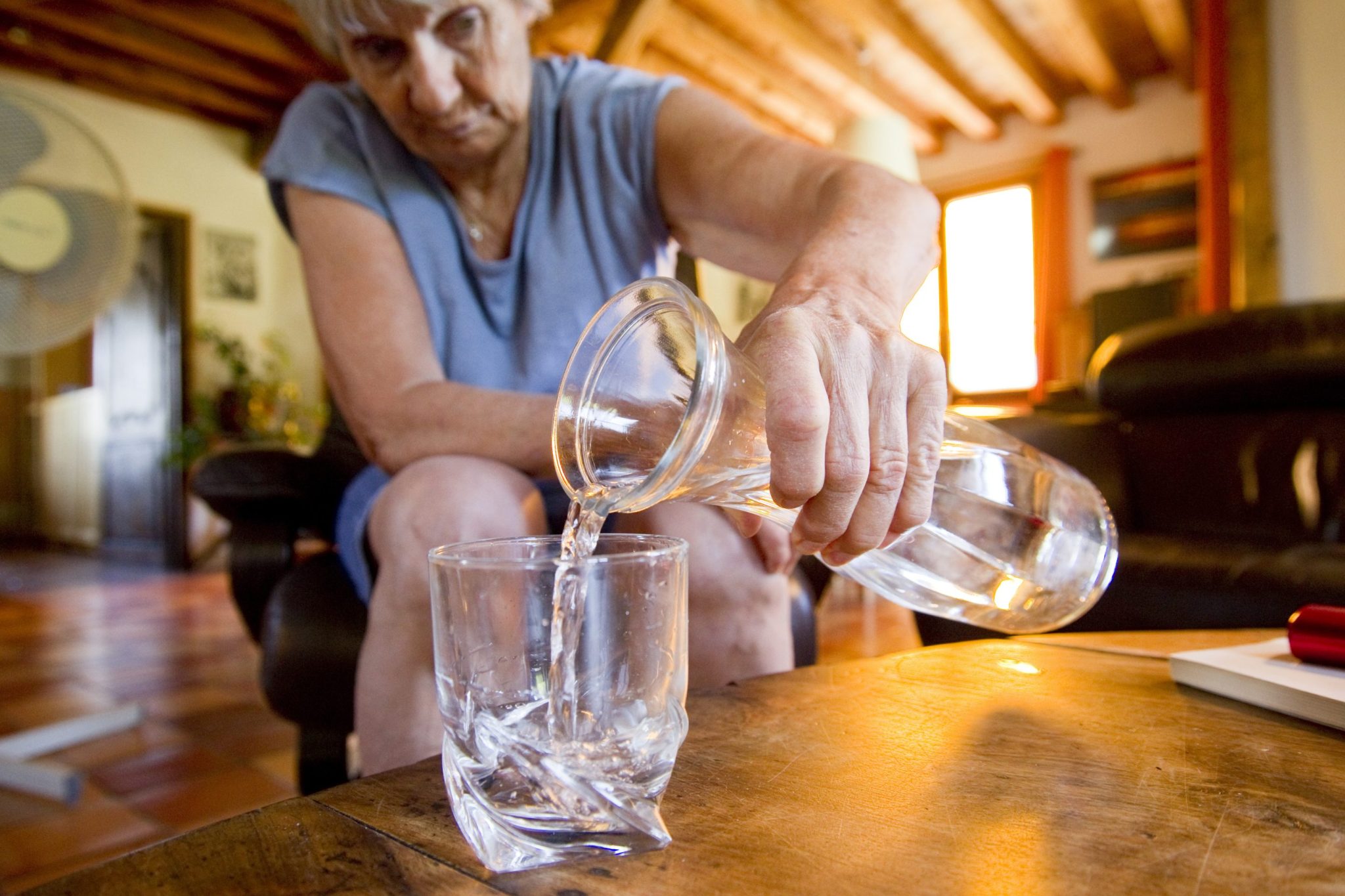
It could be more dangerous inside your house during a heat wave
Most people know that heat waves can be dangerous. What they may not realize is that the heat indoors can be much worse than outdoors. When the power goes out and air conditioning stops, a house starts to function like a greenhouse. Heat enters through windows and walls and has nowhere to go. Air stagnates. Within hours, indoor temperatures can climb well above what the thermometer shows outside, especially on upper floors and in rooms with south-facing windows. Over longer periods, especially if temperatures don’t cool off overnight, conditions can become lethal. Most heat-related deaths occur indoors. When a heat dome sent temperatures soaring in the Pacific Northwest in 2021, 98% of the more than 600 deaths in British Columbia happened inside homes. Washington and Oregon also saw high numbers of deaths in homes that lacked air conditioning. In Europe, where only 1 in 10 households have air conditioning, heat waves killed an estimated 60,000 people in 2022 and 47,000 in 2023, largely inside buildings never designed for these temperatures. https://www.youtube.com/embed/AMakK1WQ4bY?wmode=transparent&start=0 Heat waves can turn homes dangerously hot, leaving not just the elderly at risk, but also younger, healthy adults as well. People of all ages are at risk in heat waves like these. I spent eight years at the University of Texas at Austin studying how buildings respond to extreme heat. In a recent study, my team assessed the heat risk in every single-family home in Austin. We found that even younger, healthy adults face far more risk than they realize. How hot is too hot for a human body? Your body maintains a core temperature of about 98.6 degrees Fahrenheit (37 degrees Celsius). To cool down, it pushes blood to the skin and sweats. But when air temperature is high, that convective cooling weakens. When humidity is also high, sweat cannot evaporate. If the body has no way to release heat, core temperature rises. If the core temperature increases past about 104 F (