Crypto Clarity Act in spotlight for bad-actor provisions as Senate process grinds forward
Key takeaways
- Senator Cynthia Lummis is among those trying to assure law enforcement officials that the Clarity Act provides tough crypto powers.
- As advocates seek the necessary 60 yes votes it'll need to pass the Senate, Lummis argued that the timing is urgent.
- "If we don't get it done this year, we're probably looking at about 2030 before this bill could ever have a shot again of being considered," she said.
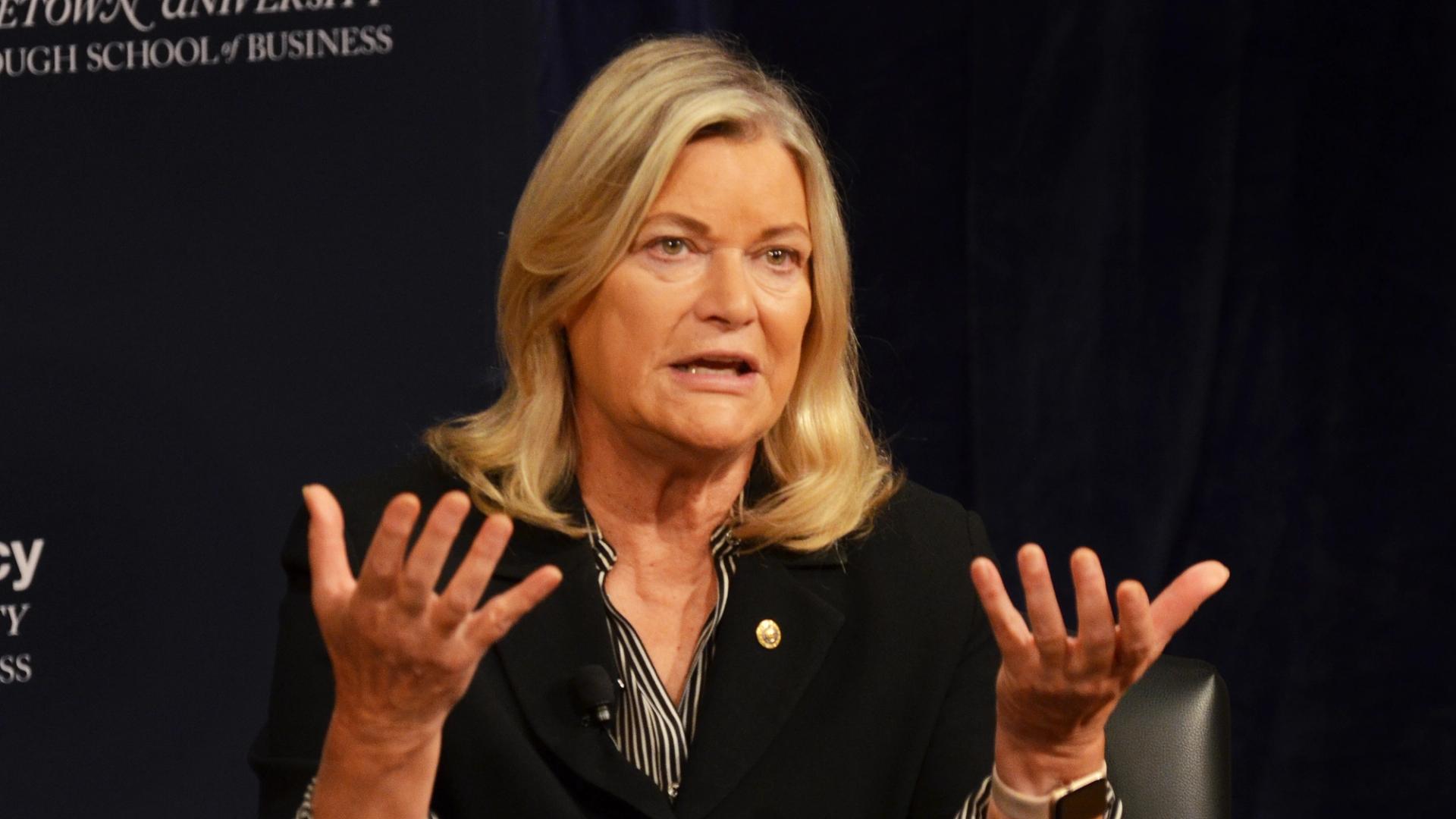
The industry has been trying to make a case this week the Clarity Act provides law enforcement strong tools to combat illicit finance involving cryptocurrency.By Jesse Hamilton|Edited by Nikhilesh De Jun 4, 2026, 7:41 p.m. 3 min read Make preferred on U.S. Senator Cynthia Lummis is among those trying to assure law enforcement officials that the Clarity Act provides tough crypto powers. (Jesse Hamilton/CoinDesk)What to know: The Blockchain Association assembled an online "town hall" to underline the industry's position that the crypto market structure bill is good for law enforcement purposes.The Clarity Act's treatment of illicit finance protections has long been one of the top points of negotiation between Democrats and Republicans, and those final points must be ironed out if the Senate has a chance of passing the bill in the next two months.Though there's no new sign of progress on the U.S. Senate's Digital Asset Market Clarity Act, the crypto industry's Blockchain Association held an online event Thursday with involved lawmakers continuing to make the case for support — especially in the law enforcement community — as the bill's advocates contend with a narrow Senate window.
Throughout the months of Clarity Act negotiations, the legislation's provisions that contend with cryptocurrency abuse in illicit finance have remained among the top concerns of Democratic lawmakers, and a number of Democrats who've worked on the bill have so far held back their support while some law-enforcement groups have been hesitant to embrace the bill.
The current version recently advanced by the Senate Banking Committee is "the most highly negotiated bipartisan — or nonpartisan — sophisticated piece of a regulatory framework for digital assets that's ever been presented to the public in this country," said Senator Cynthia Lummis, who spoke at the event. Lummis, who heads the panel's digital assets subcommittee and has been a leading Republican negotiator on the legislation, highlighted that the "current status quo is that digital asset exchanges are subject to lower Bank Secrecy Act and anti-money laundering and sanctions requirements today than they would be if Clarity passes."