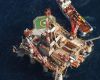
Argentina warns it could 'fully exercise all actions' over Falklands oil drilling plans
Key takeaways
- Argentina's government warned that it could fully exercise all available actions over plans to develop an oil field near the Falkland Islands, in a fresh escalation of the sovereignty dispute.
- Buenos Aires invokes Law 26,659 —which requires Argentine authorization to operate on its continental shelf— and UN resolutions that recognize the dispute with the United Kingdom.
- The Sea Lion field, north of the archipelago, is operated by Navitas, which holds 65% of the project, while Rockhopper, which discovered it, retains 35%.
Why this matters: an international story with cross-border implications worth tracking.
Argentina's government warned that it could fully exercise all available actions over plans to develop an oil field near the Falkland Islands, in a fresh escalation of the sovereignty dispute. The Foreign Ministry declared the plans of Britain's Rockhopper Exploration unlawful and described that company and its Israeli partner, Navitas Petroleum, as clandestine, after the Sea Lion project moved from exploration into development.
Hydrocarbon exploration or exploitation activities in the disputed areas constitutes an unlawful act under both international law and the Argentine legal system, the Argentine government said, adding that it reserves the right to fully exercise all available actions to safeguard its sovereign rights and interests. Buenos Aires invokes Law 26,659 —which requires Argentine authorization to operate on its continental shelf— and UN resolutions that recognize the dispute with the United Kingdom. Rockhopper had already been declared clandestine and disqualified for 20 years in 2012 and 2013, and Navitas was sanctioned in 2022.
The Sea Lion field, north of the archipelago, is operated by Navitas, which holds 65% of the project, while Rockhopper, which discovered it, retains 35%. The British company recently raised its estimate of recoverable reserves to more than 1 billion barrels, which would make it several times larger than Rosebank, the largest known remaining field in UK waters. The first phase will require an investment of about 2.1 billion dollars and produce 170 million barrels from 2028.